
TL;DR

Get business pricing on garage and car supplies
- Business-only prices and quantity discounts
- Tax-exempt purchasing
- Multiple users, one account, clear invoices
Tesla has added Cybercabs to its Texas robotaxi fleet ahead of a scheduled launch event. This move confirms ongoing deployment efforts and signals a new phase for Tesla’s autonomous ride-hailing service, though details remain unconfirmed.
Tesla has added Cybercabs to its Texas robotaxi fleet ahead of an upcoming launch event, according to sources close to the company. This development confirms ongoing deployment of Tesla’s autonomous ride-hailing vehicles in Texas, a key step toward commercial launch. The move signals Tesla’s progress in scaling its robotaxi service, though official details about the launch remain unconfirmed.
Sources familiar with Tesla’s operations confirmed that the company has integrated a number of Cybercabs into its Texas-based robotaxi fleet. The addition was observed in recent days, just prior to a scheduled event that Tesla has indicated will showcase its autonomous ride-hailing technology. Tesla has not officially announced the deployment of Cybercabs in Texas, but multiple reports suggest these vehicles are now operational within the company’s fleet.
Cybercabs are specially modified Tesla vehicles, based on the Cybertruck platform, designed for autonomous operation. Their deployment in Texas aligns with Tesla’s broader strategy to expand its robotaxi network across key markets. The company has been testing autonomous vehicles in Texas for several months, with regulatory approvals for limited testing in place, but a full commercial rollout has not yet been publicly confirmed.
Implications of Cybercabs Integration for Tesla’s Texas Operations
The addition of Cybercabs to Tesla’s Texas robotaxi fleet marks a significant step toward commercializing Tesla’s autonomous ride-hailing service. If confirmed, this deployment indicates Tesla is moving from testing to operational phases, potentially allowing the company to begin limited service offerings. This development could impact the competitive landscape of autonomous transportation, positioning Tesla as a more direct challenger to existing ride-hailing services that are beginning to integrate autonomous vehicles. For consumers, this hints at the possibility of more accessible, driverless transportation options in Texas in the near future.
However, the broader implications depend on regulatory approvals, safety validations, and Tesla’s own rollout plans, which remain officially undisclosed. The deployment also underscores Tesla’s ongoing efforts to leverage its vehicle manufacturing and autonomous driving capabilities to create a scalable robotaxi network, a core component of its long-term business strategy.
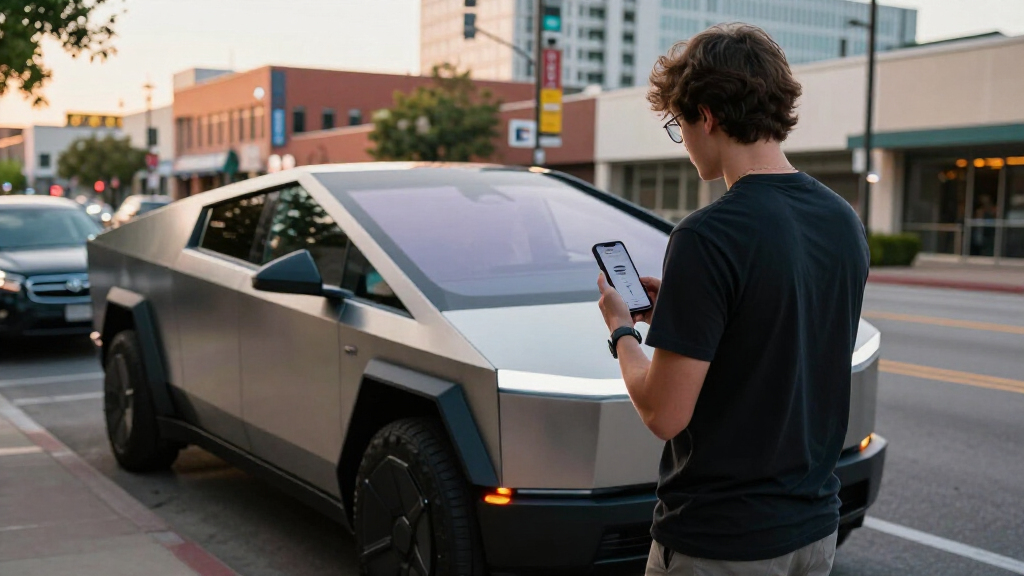
Tesla Cybercabs autonomous vehicle
As an affiliate, we earn on qualifying purchases.
As an affiliate, we earn on qualifying purchases.
Tesla’s Autonomous Vehicle Deployment in Texas
Tesla has been gradually expanding its autonomous vehicle testing and deployment efforts across the United States, with Texas emerging as a key testing ground due to its regulatory environment and large urban areas. Over the past year, Tesla has received approvals for limited testing of its autonomous vehicles in Texas, and the company has publicly expressed ambitions to launch a commercial robotaxi service in the state.
The company has previously showcased prototypes and announced intentions to deploy autonomous taxis in various markets, but widespread commercial operations have yet to commence. The recent addition of Cybercabs suggests Tesla is nearing a more formal launch, although the timeline remains unconfirmed. Industry analysts have noted that Tesla’s move aligns with broader industry trends toward autonomous ride-hailing, but regulatory and safety hurdles continue to influence deployment timelines.
As an affiliate, we earn on qualifying purchases.
Unconfirmed Details About Tesla’s Texas Robotaxi Launch
It remains unclear when Tesla will officially launch its robotaxi service in Texas, as the company has not issued a formal announcement. Details about the number of Cybercabs deployed, operational scope, or regulatory approval status are also not confirmed. The exact timeline for broader commercial availability and whether other vehicle models will be included in the fleet are still unknown. Additionally, the company’s future plans for expansion in other markets are not yet specified.
As an affiliate, we earn on qualifying purchases.
Next Steps in Tesla’s Autonomous Service Rollout
Tesla is expected to hold its launch event in the coming weeks, where it may provide official confirmation and details about the robotaxi service. Regulatory filings and safety validations will likely be key milestones before full-scale deployment. Industry observers will be watching for any updates on fleet size, operational areas, and service availability. Tesla may also announce partnerships or new features aimed at enhancing its autonomous ride-hailing platform.
As an affiliate, we earn on qualifying purchases.
Key Questions
When did Tesla add Cybercabs to its Texas fleet?
Sources confirmed the addition occurred in the days immediately prior to an upcoming launch event, though no specific date has been publicly disclosed.
Are Tesla’s Cybercabs fully autonomous?
While Tesla has tested autonomous features extensively, the Cybercabs are believed to be equipped with Tesla’s latest driver-assist systems, but full autonomy for commercial operation depends on regulatory approval and safety validations.
When will Tesla officially launch its robotaxi service in Texas?
There has been no official announcement; the launch is expected to occur in the near future, possibly within weeks after the upcoming event.
Will other Tesla vehicle models be included in the Texas robotaxi fleet?
It is not yet confirmed whether Tesla plans to deploy other models alongside Cybercabs in Texas or if Cybercabs will be the primary vehicles for the service.
What are the regulatory hurdles Tesla faces for deployment?
Tesla must obtain regulatory approval for commercial autonomous operation, which involves safety validations and compliance with local transportation authorities. The specifics vary by jurisdiction and are still in progress.
Source: rss
Fall Picks
fall essentials
As an affiliate, we earn on qualifying purchases.