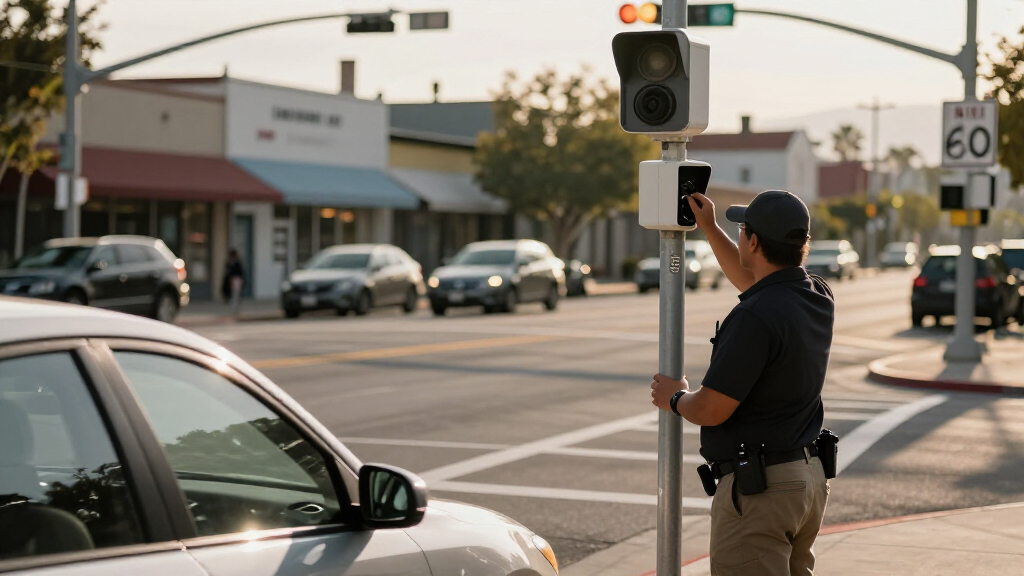

TL;DR
Four speed cameras in Malibu recorded approximately 100,000 speeding infractions during a 10-day trial in September, city officials said. No drivers received warnings or citations during the trial, and the city has delayed the planned warning period while it studies traffic patterns in Carbon Canyon and Tuna Canyon.
Four speed cameras in Malibu recorded approximately 100,000 speeding infractions during a 10-day trial in September, prompting the city to delay a planned warning period while it studies traffic patterns in parts of the city. Officials said the trial readings did not lead to warnings, citations or other enforcement action.

Get business pricing on garage and car supplies
- Business-only prices and quantity discounts
- Tax-exempt purchasing
- Multiple users, one account, clear invoices
The cameras were operating in Carbon Canyon and Tuna Canyon, among other locations, as part of a pilot focused on speeding. Malibu officials said most of the recorded violations came from eastern Malibu. The city stretches along Pacific Coast Highway, the main target of the enforcement effort, according to the report by The Drive, citing local reporting from KTLA.
The city had planned to begin a warning period after the September trial. It has postponed that phase while officials review traffic patterns and make necessary installation changes. During the trial, cameras could flash as vehicles passed, but officials said they were not issuing warnings or citations, accessing driver information from the Department of Motor Vehicles, or taking enforcement action.
If the system proceeds to enforcement, the reported plan would issue citations for driving at least 11 mph over the speed limit. Listed fines range from $50 for speeds 11 to 15 mph over the limit to $200 for 26 mph or more; the report lists a $500 fine for speeds of 100 mph or more. A September city newsletter said the program would not add license points or insurance penalties and that revenue would go toward system costs and Pacific Coast Highway safety activity.
A Large Trial Shapes Enforcement Plans
The trial’s high volume of readings has practical implications for how Malibu proceeds with the pilot. City officials are delaying the warning phase rather than moving directly from testing to driver notifications, giving them time to examine conditions in the areas where speeding was recorded. The figure is an indication of how many potential violations the cameras detected, not a count of tickets or drivers penalized.
The pilot also matters to people who use the city’s roads because any eventual enforcement could bring fines for qualifying speeds. The planned fine schedule and the city’s stated approach to privacy and revenue will shape how the program affects motorists and public confidence. No citations have been issued from this trial, and the program’s actual effects on speeds or safety have not yet been established by the information available.
Products Worth Considering

Vantrue N4S 3-Channel Dash Cam with STARVIS 2 Night Vision

Nextbase 222 1080p HD Dash Cam with 140° Viewing Angle

VIOFO A229 Plus Dual-Channel 2K Dash Cam with Front and Rear HDR
As an affiliate, we earn on qualifying purchases.
From September Trial to Delay
The cameras were installed as part of a Malibu pilot intended to address speeding, with Pacific Coast Highway a central focus. In September, four devices collected readings over 10 days. After the trial, a warning period was expected to follow; the city has since delayed it while reviewing traffic conditions in Carbon Canyon and Tuna Canyon.
The city described the delay as a chance to evaluate the information and complete installation changes and traffic studies. Its statement, as reported by KTLA, said the aim was to implement the program thoughtfully and in support of public safety. A city newsletter also said performance and data would be reported regularly to the Public Safety Commission and the public.
“The cameras are not currently issuing warnings or citations, accessing driver information from the DMV, or taking enforcement action.”
— Malibu city officials, in a statement reported by KTLA
Start Date and Findings Still Pending
The city has not provided a new date for beginning the warning period in the source material, nor has it said when the traffic studies or installation changes will be complete. The precise locations and speed limits associated with each of the approximately 100,000 readings are not specified. It is also unclear how many unique vehicles were recorded, how many readings involved repeat vehicles, or what share of traffic exceeded the limits.
The reported figure describes potential infractions detected during a short trial; it does not establish that 100,000 distinct drivers were speeding or that the readings would all qualify for citations under the final system. The available information does not include measured changes in driving speeds or crash rates. The fine schedule and privacy terms are described as plans, not as enforcement already in effect.
City Review Before Warnings Begin
Malibu says it will continue reviewing traffic data and completing installation changes and traffic studies before deciding how to proceed. The next concrete milestone is a city decision on when, or whether, to begin the warning period. The city has not announced a timetable in the information cited by The Drive and KTLA.
If the pilot advances, the city has said it will report program performance and data to the Public Safety Commission and the public. Residents and drivers will be looking for details on the revised schedule, camera locations, the final enforcement rules and how the city evaluates whether the program supports road safety.
Key Questions
Were drivers fined during the 10-day trial?
No. Malibu officials said the cameras were not issuing warnings or citations and were not taking enforcement action during the trial.
How many cameras recorded the readings?
The approximately 100,000 speeding infractions were recorded by four cameras, according to the city information cited in The Drive’s report.
Why did Malibu delay the warning period?
The city said it wants to study traffic patterns in Carbon Canyon and Tuna Canyon and complete necessary installation changes before moving ahead.
What fines are planned if enforcement begins?
The reported schedule starts at $50 for driving 11 to 15 mph over the limit, rises to $100 for 16 to 25 mph over and $200 for 26 mph or more. The report lists $500 for speeds of 100 mph or more. The schedule is a plan; enforcement has not begun.
When will the cameras start issuing warnings or citations?
No new start date has been announced in the source material. Malibu says it will continue its review and installation work before implementing the program.
Source: rss