
TL;DR

Get business pricing on garage and car supplies
- Business-only prices and quantity discounts
- Tax-exempt purchasing
- Multiple users, one account, clear invoices
Former British time-trial record holder Alice Lethbridge returned to indoor racing after symptoms of thoracic outlet syndrome made riding outdoors difficult. Botox injections let her ride outside for a time, but their effects wore off and she is back indoors while doctors consider another round.
Alice Lethbridge, a former British 100-mile and 12-hour time-trial record holder, says symptoms of thoracic outlet syndrome made her dizzy when turning her head and unable to ride comfortably in road bunches. In an interview with Cycling Weekly, she described switching to indoor training and virtual racing to maintain her fitness while treatment was delayed; a round of Botox injections later let her return outdoors temporarily, but the effects have worn off.
Lethbridge told Cycling Weekly that her symptoms began during the East Cleveland Classic in spring 2024. She experienced numbness in her hands, nausea and dizziness when she turned her head outside. She said she could not stay in the bunch and felt she might vomit. Later that summer, her hands became so cold that she sought medical advice. The report says diagnosis took almost a year, while the need to stop riding outdoors became apparent sooner.
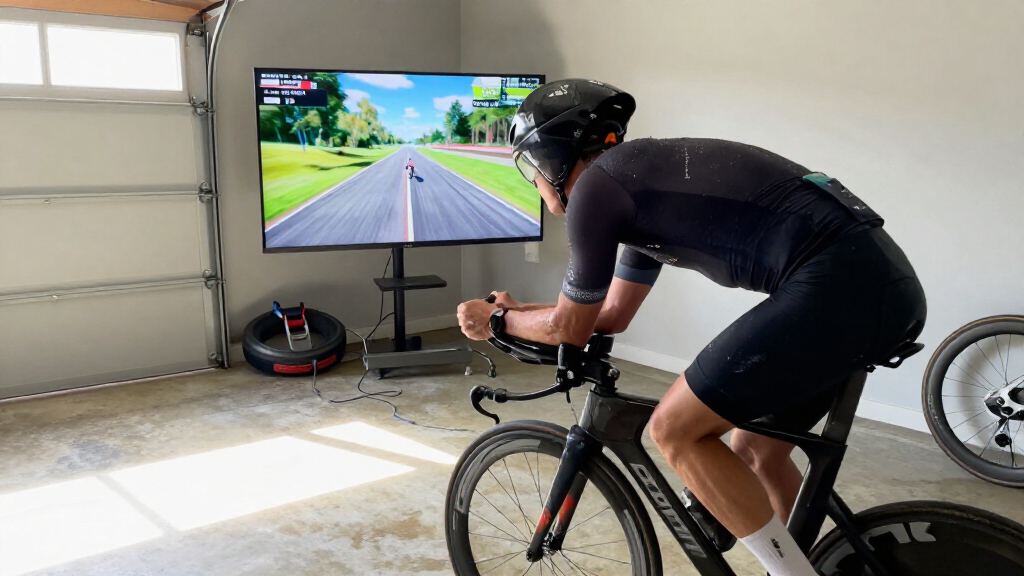
On a trainer, Lethbridge did not need to turn her head to check behind her, so she shifted her focus to indoor racing. She was already familiar with virtual competition: she joined Zwift during the 2020 lockdown and made her Great Britain debut at the UCI Cycling Esports World Championships within two years. During school holidays, she trained for as much as 20 hours a week, she said; during term time, she usually trained 10 to 12 hours, sometimes starting at 5 a.m. before work.
Rather than relying on long weekend rides, Lethbridge said she used more high-intensity intervals and group rides on Zwift and MyWhoosh. She also rode with the FemmeCycle Collab community, which she helped expand. Prize money from MyWhoosh racing contributed to physiotherapy costs, providing what she called a “massively welcome bonus.”
Virtual Racing Kept Her Training
Lethbridge’s account shows how a change in training format can let an athlete remain active and competitive when a medical condition makes a familiar setting difficult. Indoor riding removed the need to look over her shoulder, a movement she said triggered dizziness outdoors. It also gave her a way to keep training while medical treatment was delayed.
Her experience is personal, not evidence that indoor racing treats thoracic outlet syndrome or can replace medical care. But it highlights practical factors that mattered to her: a controllable riding environment, structured intervals, competition and the company of a group. Lethbridge said team commitments helped replace some of the motivation she usually got from riding with others outside.
Products Worth Considering

Chemical Guys HOL123 Car Cleaning Kit – 14-Item Interior & Exterior Detailing Set

DEWALT 20V MAX 1/4-Inch Impact Driver Kit with Battery and Charger (DCF787D1)

NOCO Boost GB150 3000A UltraSafe Jump Starter, 12V Lithium Battery Booster
As an affiliate, we earn on qualifying purchases.
From Road Bunches to the Trainer
Thoracic outlet syndrome refers to compression affecting structures between the collarbone and first rib. The source report links Lethbridge’s diagnosis to her symptoms, but does not give further clinical details about her specific case. Her experience of numb hands, cold hands, nausea and dizziness is described in her interview, not as a general account of how every person with the condition is affected.
Lethbridge had established herself as a time-trial rider before the symptoms began and had already developed a record in esports. Her indoor racing was therefore not a new pursuit adopted from scratch. She told Cycling Weekly she initially expected the interruption to be short term, but repeated treatment delays led her to prioritize virtual events and see whether outdoor racing could fit around them.
She was able to ride outdoors again during the summer after Botox injections that, she said, paralysed the affected muscles. The benefit did not last: by the time of the interview, the injections had worn off and she had returned to indoor training.
““It was making me feel very dizzy turning my head outside… I started to feel like maybe I was going to vomit.””
— Alice Lethbridge, speaking to Cycling Weekly
Treatment and Road Return Remain Open
The report does not specify the exact date of the interview, the full clinical findings behind Lethbridge’s diagnosis or a confirmed long-term treatment plan. Doctors have suggested a second round of Botox injections, which Lethbridge said they had not prescribed for her before. Whether it will be given, how she will respond and how long any benefit might last remain unknown.
She has not described a permanent return to outdoor racing. Her account is that the first injections wore off and she is indoors again. The report also does not give a date for the next treatment decision or say whether other options are being considered.
Doctors to Consider Another Injection
Lethbridge said her doctors have proposed trying another round of injections. If that goes to plan, she hopes to spend more time riding on the road and return to the outdoor racing she enjoys. No timetable or outcome has been confirmed.
For now, indoor training remains part of her routine, including because she finds it more efficient around her work as a biology teacher. She also encouraged riders who struggle to stay motivated indoors to join a team or commit to an event with others. That is advice based on her experience; her medical treatment and future ability to ride outdoors are separate questions still to be resolved.
Key Questions
What condition was Alice Lethbridge diagnosed with?
Cycling Weekly reported that Lethbridge was diagnosed with thoracic outlet syndrome. She said symptoms included numb and cold hands, nausea and dizziness when turning her head outdoors.
Why did indoor riding work better for her?
Lethbridge said riding on a trainer meant she did not have to turn her head to look over her shoulder, a movement that made her feel dizzy outside. Indoor group rides also gave her a way to train and race with other people.
Did Botox injections allow her to ride outdoors again?
She said a round of injections that paralysed the affected muscles let her return to outdoor riding for a time. Their effects wore off, and she told Cycling Weekly she was back indoors.
What treatment is planned next?
Lethbridge said doctors suggested a second round of Botox injections. The report does not confirm when that treatment will happen or what its outcome will be.
Source: cyclingweekly.com