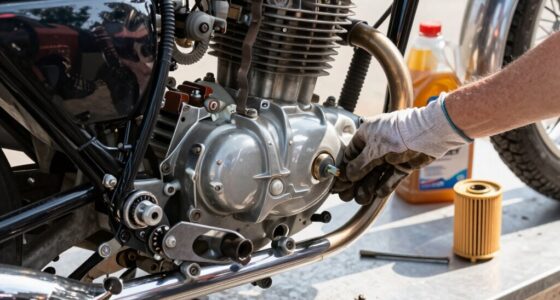

To pick the right oil for your older air-cooled engine, consider its condition and climate. Thicker oils like 10W-40 or 20W-50 are better for worn engines, while lighter oils suit colder weather. Opt for synthetic oil if your engine is high-mileage or needs extra protection, but conventional oil works if you’re on a budget. Always follow the manufacturer’s recommendations, and stay aware of factors affecting oil performance—more tips await to help you make the best choice.
Key Takeaways
- Check the engine manual for recommended oil viscosity and type suitable for older air-cooled engines.
- Use higher viscosity oils like 10W-40 or 20W-50 for better protection of worn components.
- Consider synthetic oil for improved lubrication, temperature stability, and longer intervals between changes.
- Ensure oil is compatible with engine seals to prevent leaks and maintain proper sealing.
- Regularly monitor oil levels and quality, and follow proper maintenance intervals for optimal engine health.
Choosing the right oil for an older air-cooled engine is crucial to keeping it running smoothly and preventing costly repairs. One of the most critical factors to evaluate is oil viscosity, which measures how thick or thin the oil is at specific temperatures. For older engines, you’ll want to select an oil with the correct viscosity to guarantee proper lubrication. Typically, higher viscosity oils, like 10W-40 or 20W-50, are recommended for older engines because they provide a thicker film that can better protect worn components. However, if you operate in colder climates, a lower viscosity oil, such as 10W-30, might be more appropriate during winter months. Always check your engine’s manual or consult with a mechanic to determine the best viscosity for your specific model and operating conditions.
Another important factor is whether to choose synthetic or conventional oil. Synthetic oils are engineered to offer superior performance, with better stability at high temperatures and enhanced flow at cold starts. They tend to last longer and resist breakdown, which can be beneficial for older engines that may have more wear and tear. Conventional oils, on the other hand, are more affordable and can still do a good job if you’re on a budget or if your engine isn’t subjected to extreme driving conditions. For older air-cooled engines, synthetic oil can help reduce sludge buildup and improve oil circulation, especially in hot weather or extended use. Additionally, oil longevity is an important consideration, as synthetic oils generally maintain their properties longer between changes. Using high-quality oils with effective oil filtration can also help prevent engine damage caused by contaminants. Proper oil performance in different operating conditions is essential to ensure longevity and reliable operation. Moreover, understanding the oil compatibility with engine seals and gaskets is vital, as some older engines may be sensitive to certain oil types, potentially leading to leaks or gasket deterioration.
Ultimately, the choice between synthetic and conventional oil depends on your engine’s condition, your budget, and your driving habits. If your engine has high mileage or shows signs of wear, investing in synthetic oil could extend its life by providing more consistent lubrication and cleaner operation. Conversely, if your engine is relatively low mileage and well-maintained, conventional oil might suffice as a cost-effective solution. Regularly checking the oil quality and levels is essential to ensure optimal engine health, especially in older models. Regardless of your choice, guarantee you change the oil regularly, follow the manufacturer’s recommendations, and keep an eye on oil levels and quality. Proper oil selection and maintenance are essential to preserving the health of your older air-cooled engine and ensuring it continues to run reliably for miles to come.
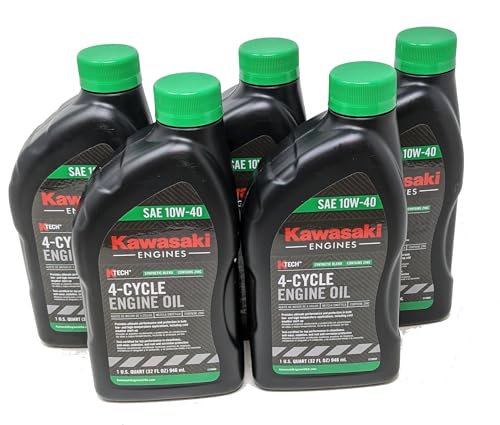
Pack of 5 Kawasaki 99969-6296 Genuine OEM K-Tech SAE 10W-40 4-Cycle Engine Oil
K-Tech 4-cycle oil contains a zinc additive which prevents excess wear on engine part
As an affiliate, we earn on qualifying purchases.
As an affiliate, we earn on qualifying purchases.
Frequently Asked Questions
Can I Use Synthetic Oil in an Older Air-Cooled Engine?
Yes, you can use synthetic oil in your older air-cooled engine. Synthetic compatibility is generally good and can actually improve oil longevity, helping your engine run smoother and last longer. Just make sure to check your manufacturer’s guidelines, as some older engines might have specific requirements. Using synthetic oil offers better performance under extreme temperatures and reduces engine wear, making it a smart choice for maintaining your vintage engine’s health.
How Often Should I Change the Oil in My Vintage Engine?
You should change your vintage engine’s oil every 1,000 to 1,500 miles or every 6 months, whichever comes first. Regular oil changes help maintain ideal engine temperature and prevent buildup that can clog the oil filter. Keep an eye on engine temperature and oil color; if it seems dark or the engine runs hotter, it’s time for a change. Frequent oil changes guarantee your older engine stays smooth and reliable.
Are There Specific Oil Additives Recommended for Older Engines?
For older engines, you should seek specific oil additives that promote oil stability and guarantee additive compatibility. Look for products designed for vintage engines—these often contain conditioners to protect seals and reduce wear. Avoid harsh additives that may interfere with your engine’s performance. Opt for reputable brands that emphasize oil stability, and always check compatibility notes to keep your engine running smoothly and reliably.
Does Oil Viscosity Impact Engine Noise in Older Air-Cooled Engines?
Yes, oil viscosity impacts engine noise in older air-cooled engines. A proper viscosity creates a thicker oil film, which cushions moving parts and reduces noise. Using oil that’s too thin may lead to metal-to-metal contact, increasing noise and wear. Conversely, too thick oil can cause sluggish movement. Selecting the right viscosity guarantees ideal oil film thickness, promoting noise reduction and smoother engine operation.
How Can I Tell if My Engine Oil Is the Right Grade?
Your engine’s performance hinges on the right oil grade, so don’t overlook it—checking the oil’s viscosity on the label is your first step. Make certain it matches your engine’s recommended oil compatibility for peak performance. Look for clarity and the absence of sludge or grit, which signal the oil’s effectiveness. If it pours smoothly and looks clean, you likely have the right grade; if not, it’s time for a change.

Castrol GTX High Mileage 10W-30 Synthetic Blend Motor Oil, 5 Quarts
Phosphorus Replacement Technology helps extend emission system life
As an affiliate, we earn on qualifying purchases.
As an affiliate, we earn on qualifying purchases.
Conclusion
Choosing the right oil for your older air-cooled engine isn’t just about following a checklist; it’s about tuning into your engine’s unique needs. Sometimes, a simple switch to the recommended viscosity or quality can unexpectedly breathe new life into your ride. When you pay attention to these details, you might find that your engine runs smoother, lasts longer, and even sparks a newfound appreciation for the little things—like the perfect oil choice—that make all the difference.

Castrol GTX High Mileage 20W-50 Synthetic Blend Motor Oil, 5 Quarts
Phosphorus Replacement Technology helps extend emission system life
As an affiliate, we earn on qualifying purchases.
As an affiliate, we earn on qualifying purchases.

Lvdrwi 6485 Maintenance Kit Compatible with 16KW-26KW Air-Cooled Standby Generators from 999CC Engine with 0J8478 Air Fil-TER 070185E Oil Filter (1 Pack-Orange)
Package include: 1×Air Fi-lter+1×Oil Filter+2×Spark Plug
As an affiliate, we earn on qualifying purchases.
As an affiliate, we earn on qualifying purchases.