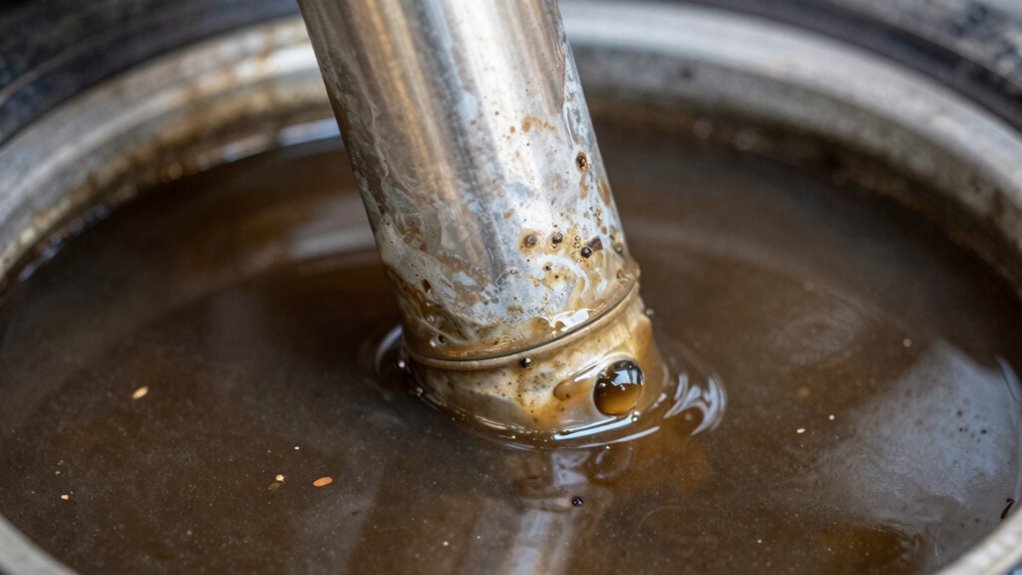

Many riders ignore fork oil for too long because they underestimate how quickly old or contaminated oil can impact suspension performance and safety. They often think it’s unnecessary or too complex to replace regularly, especially if they don’t notice immediate problems. Over time, neglected oil leads to sluggish suspension, increased wear, and even safety hazards. Staying on top of fork oil maintenance keeps your bike handling smoothly, and there’s more to uncover about how to do it effectively.

Get business pricing on garage and car supplies
- Business-only prices and quantity discounts
- Tax-exempt purchasing
- Multiple users, one account, clear invoices
Key Takeaways
- Many riders are unaware of the importance of regular fork oil maintenance and underestimate its impact on suspension performance.
- The process of changing fork oil is perceived as complicated or messy, leading to neglect.
- Absence of visible symptoms makes owners overlook the need for inspection or replacement.
- Some believe suspension functions adequately without oil changes, ignoring long-term wear risks.
- Lack of knowledge about signs of deterioration causes riders to delay maintenance until issues worsen.
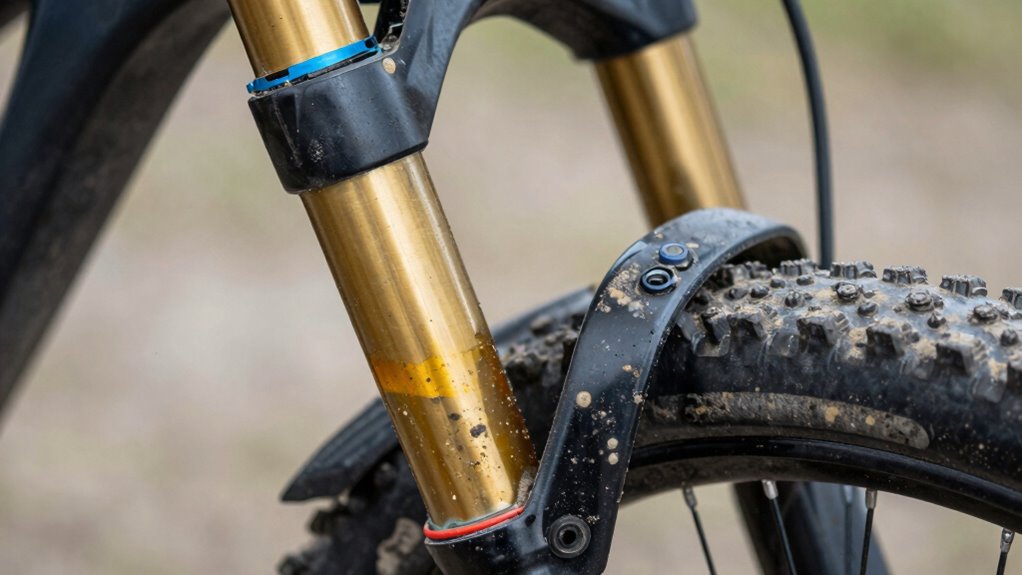
Have you ever wondered how to keep your motorcycle’s suspension performing smoothly? One of the most overlooked aspects is fork oil maintenance. Many riders neglect it because it seems minor or out of sight, but it plays a vital role in suspension damping and overall bike handling. When fork oil gets old or contaminated, it can cause the suspension to feel sluggish or unpredictable, affecting your ability to control the bike confidently. Over time, the oil breaks down and loses its viscosity, making it less effective at absorbing bumps and vibrations. This deterioration leads to increased wear on internal components, which can escalate repair costs and compromise safety. Proper fork oil maintenance ensures your suspension stays responsive and safe during every ride.
People often ignore fork oil changes because they believe their suspension is still functioning adequately, especially if they don’t notice immediate issues. However, subtle signs like a rougher ride, increased fork dive under braking, or a feeling of instability on uneven surfaces indicate that your suspension damping is compromised. If you continue riding with degraded fork oil, you risk reducing your bike’s handling precision. Properly maintained fork oil ensures that the damping characteristics are essential, allowing your suspension to respond correctly to road irregularities. This not only improves comfort but also enhances your control, especially during aggressive cornering or sudden maneuvers. Additionally, understanding the signs of oil deterioration can help you identify when it’s time for maintenance before problems worsen. Recognizing these indicators early can save you from costly repairs and improve your riding experience.
Another reason fork oil maintenance gets sidelined is that it’s often viewed as a complicated or messy task. Many riders assume they need specialized tools or skills to replace or top up the oil, leading to procrastination. But neglecting this routine maintenance can have serious consequences. Old oil can become thick or contaminated with dirt and debris, which diminishes its ability to flow smoothly through the damping circuit. This results in inconsistent suspension behavior, making your ride unpredictable and potentially dangerous. Furthermore, neglecting the oil can accelerate wear on seals and other internal parts, increasing repair costs in the long run. Regular inspection and maintenance are essential to avoid these issues and keep your suspension performing optimally. Additionally, staying informed about proper maintenance procedures can make the process easier and less intimidating for riders of all skill levels.
In reality, checking and replacing fork oil isn’t as intimidating as it seems. Regular inspection and timely oil changes keep suspension damping at its best, ensuring your bike handles as it should. When you maintain your fork oil properly, you preserve the suspension’s ability to absorb shocks efficiently, providing a smoother ride and better bike handling. Don’t wait until you notice major issues—staying proactive with fork oil maintenance keeps your motorcycle performing at its best, making every ride safer and more enjoyable.
motorcycle fork oil replacement kit
As an affiliate, we earn on qualifying purchases.
As an affiliate, we earn on qualifying purchases.
Frequently Asked Questions
How Often Should I Check Fork Oil Levels?
You should check your fork oil levels every 10 to 15 hours of riding or at least once every few months, depending on your riding frequency. Regularly inspecting the fork oil lifespan guarantees peak performance. Follow your motorcycle’s maintenance schedule, and replace the oil when it shows signs of contamination or degradation. Staying consistent helps prevent damage and keeps your suspension functioning smoothly, enhancing your riding experience.
Can I Change Fork Oil Myself or Need a Professional?
You can definitely change your fork oil yourself if you’re comfortable with suspension tuning and have the right tools. Doing so improves fork oil maintenance and guarantees your suspension performs at its best. Follow a detailed guide, watch tutorials, and take your time. However, if you’re unsure or want perfect results, a professional can do it quickly and correctly. Regular fork oil changes keep your ride smooth and safe.
What Signs Indicate Fork Oil Needs Replacement?
Did you know that over 60% of suspension issues stem from neglected fork oil? When your fork oil becomes contaminated or old, you’ll notice increased suspension stiffness, making your ride less smooth. Other signs include excessive fork dive, oil leaks, or decreased damping. If these symptoms appear, it’s time to guarantee your fork oil. Regular checks ensure your suspension stays responsive and safe, preventing costly repairs later.
Does Fork Oil Quality Affect Suspension Performance?
Yes, fork oil quality substantially affects suspension performance. When fork oil degrades, it loses its ability to absorb shocks effectively, reducing suspension responsiveness. Over time, contaminated or old oil creates increased friction and harshness, making your ride less smooth and responsive. Regularly checking and replacing fork oil guarantees ideal suspension function, enhancing handling, safety, and comfort on every ride. Don’t ignore signs of oil degradation to keep your suspension performing at its best.
Are There Different Types of Fork Oil for Various Bikes?
Yes, there are different types of fork oil for various bikes. You need to take into account suspension compatibility and oil viscosity to match your bike’s specific needs. Different bikes, like motocross or touring models, require oils with specific viscosity levels to guarantee ideal performance. Using the right fork oil helps maintain smooth suspension movement, prevents leaks, and prolongs component life. Always check your bike manufacturer’s recommendations for the best results.
best fork oil for motorcycle suspension
As an affiliate, we earn on qualifying purchases.
As an affiliate, we earn on qualifying purchases.
Conclusion
So, next time your forks start feeling sluggish, don’t ignore the warning signs—after all, neglecting fork oil is the one maintenance mistake that’s easy to overlook until it’s too late. Irony’s sweet spot is realizing that ignoring something as simple as fork oil can turn a smooth ride into a bumpy nightmare. So, give your forks some love before they give you a jarring surprise—because sometimes, the smallest tweaks make the biggest difference.
motorcycle fork oil seal repair kit
As an affiliate, we earn on qualifying purchases.
As an affiliate, we earn on qualifying purchases.
motorcycle suspension oil change tools
As an affiliate, we earn on qualifying purchases.
As an affiliate, we earn on qualifying purchases.
Halloween Picks
halloween
As an affiliate, we earn on qualifying purchases.