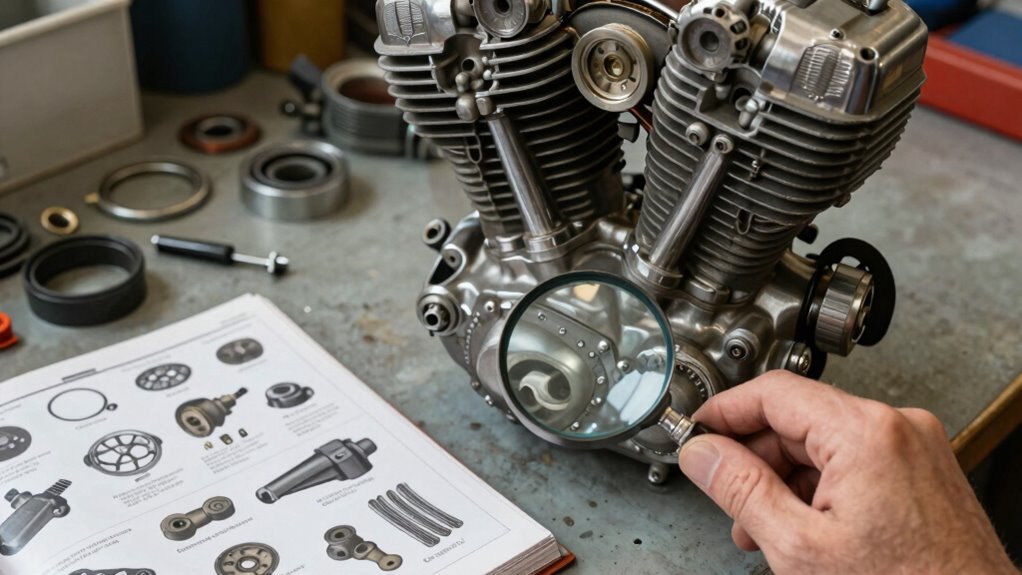

To avoid buying the wrong parts for your vintage build, you should carefully research compatibility by checking manufacturer manuals, online forums, and vintage communities. Verify that each component, like the motherboard, CPU, RAM, and power supply, match your hardware’s requirements. Ask sellers for detailed photos and testing proof, and prepare backup options for rare parts. Taking your time and staying informed helps prevent costly mistakes—if you keep going, you’ll discover even more tips for a successful build.

Get garage and car supplies delivered free — and shop member deals
- Fast, free delivery on millions of items
- Access to Prime Big Deal Days deals on October 6–7
- Prime Video, Amazon Music and more included
Key Takeaways
- Thoroughly research and verify compatibility of motherboard, CPU, RAM, and storage before purchasing.
- Consult official manuals, online forums, and vintage communities for reliable compatibility information.
- Confirm physical fit and power requirements to ensure components suit your vintage case and power supply.
- Request detailed photos and functionality proof from sellers to assess condition and avoid degraded parts.
- Be patient, cross-reference specs, and avoid rushing to prevent incompatible or costly mistakes.
Building a vintage PC can be a rewarding project, but it comes with the risk of purchasing incompatible or incorrect parts. To avoid costly mistakes, you need to understand how to identify compatible components and navigate the challenges of sourcing rare or obsolete parts. Modern compatibility is often a concern because newer hardware isn’t always backward compatible with older systems. For example, if you’re working with a vintage motherboard, you might find that modern RAM or storage solutions won’t work without adapters or special configurations. To prevent these issues, you should research the specific specifications of your motherboard, CPU, and other core components. Check manufacturer manuals, online forums, and dedicated vintage computing communities to confirm compatibility before making any purchases.
Research compatibility carefully to avoid costly mistakes when building a vintage PC.
Sourcing rare components can be tricky, especially because many vintage parts are no longer produced. You might need to hunt through online marketplaces, vintage tech shops, or enthusiast groups to find the exact items you need. When sourcing these parts, verify their condition carefully, as many vintage components can degrade over time. Ask sellers for detailed photos and descriptions, and if possible, request proof of functionality. Be aware that some rare parts may be expensive or hard to find, so it’s wise to guarantee backup options in case your first choice isn’t available or turns out to be incompatible. Additionally, understanding hardware compatibility is crucial to ensure the parts you buy will work together without issues. Conducting thorough research and asking questions in dedicated groups can help you avoid incompatible hardware that may otherwise cause frustration.
Double-check compatibility beyond just the physical fit. For example, ensure that the BIOS version on your vintage motherboard can support the CPU you plan to install. If it doesn’t, you might need to update the BIOS or find a motherboard with the necessary firmware. Also, consider the power supply requirements; vintage components often have different power needs than modern hardware. Using the wrong voltage or connectors can damage parts or cause system instability. Always match the power supply’s output with the specific requirements of your build. Being aware of power supply specifications can help prevent potential issues early in the process. It’s also helpful to review compatibility charts and documentation specific to your vintage hardware to ensure all components will function harmoniously. Furthermore, paying close attention to voltage and connector compatibility can help you avoid electrical issues that might damage your build.
Finally, don’t rush your research. Vintage builds require patience and due diligence. Take the time to cross-reference every part, read reviews, and seek advice from online communities dedicated to vintage computing. By understanding modern compatibility issues and knowing where to source rare components, you reduce the risk of buying the wrong parts and ensure your vintage PC build runs smoothly. Careful planning now will save you time, money, and frustration later, making your restoration project truly rewarding.
Vintage PC motherboard compatible with Intel Pentium
As an affiliate, we earn on qualifying purchases.
As an affiliate, we earn on qualifying purchases.
Frequently Asked Questions
How Do I Verify the Authenticity of Vintage Parts?
To verify the authenticity of vintage parts, examine restoration techniques used and compare them with original specifications. Look for markings, serial numbers, or stamps that match known manufacturer details. Research the market value for similar items to spot potential fakes or reproductions. Consulting experts or trusted vintage communities can also help confirm authenticity, ensuring your parts are genuine and retain their true value for your build.
What Tools Are Essential for Inspecting Vintage Components?
You need essential tools like a magnifying glass, a multimeter, and a soft brush for inspecting vintage components. Use restoration techniques to carefully clean and examine parts, ensuring they’re authentic and functional. Regular tool maintenance keeps your equipment in top shape, making inspections more accurate. These tools help you identify wear, corrosion, and authenticity issues, so you can confidently select parts that match your vintage build’s originality and quality.
How Can I Identify Compatible Parts for My Specific Model?
To identify compatible parts for your specific model, start by researching restoration techniques and consulting original manufacturer specifications. You can examine serial numbers, model markings, and original documentation to guarantee compatibility. Use online forums and vintage parts databases to assess the value and authenticity of potential components. This approach helps you avoid mismatched parts, preserves your vintage item’s integrity, and maintains its value during restoration.
Where Are the Best Places to Find Vintage Replacement Parts?
You’ll find vintage replacement parts at specialty shops, online marketplaces like eBay, and dedicated vintage tech forums. To guarantee authenticity, use restoration techniques that verify original components, and preservation methods to maintain their condition. Joining online communities can connect you with collectors and experts who often share reliable sources. Always cross-check part numbers and provenance, so you get authentic, compatible pieces that preserve your vintage build’s value and authenticity.
How Do I Distinguish Between Original and Reproduction Vintage Parts?
To distinguish original from reproduction vintage parts, examine restoration techniques like patina, wear, and markings, which reproductions often lack. Research vintage part pricing to spot anomalies—if a deal seems too good to be true, it probably is. Use high-resolution images and consult experts or vintage catalogs. Trust your instincts and compare multiple sources, ensuring the part’s authenticity aligns with genuine vintage specifications.
Retro computer RAM modules 32GB DDR2
As an affiliate, we earn on qualifying purchases.
As an affiliate, we earn on qualifying purchases.
Conclusion
By doing your homework and double-checking compatibility, you can dodge costly mistakes and keep your vintage build running smoothly. Remember, rushing into purchases is like trying to catch lightning in a bottle—you’re almost guaranteed to get zapped! Take your time, ask questions, and trust your research. With patience and diligence, you’ll create a timeless masterpiece that stands the test of time—no broken parts or regrets included!
Old school power supply for vintage PC build
As an affiliate, we earn on qualifying purchases.
As an affiliate, we earn on qualifying purchases.
As an affiliate, we earn on qualifying purchases.
Halloween Picks
halloween
As an affiliate, we earn on qualifying purchases.