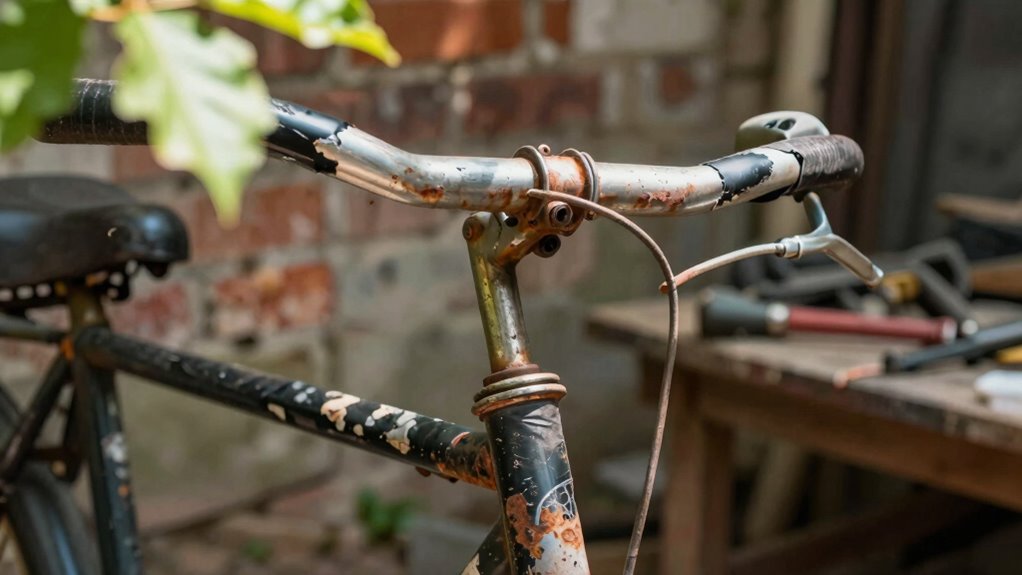

Before swapping handlebars on your old bike, check if the new bars fit your bike’s stem and geometry for a proper posture and safe handling. Make certain the cables are long enough or plan to upgrade them, and consider how cable routing might need adjustments to prevent kinks or slack. Pay attention to compatibility and tighten components securely without overtightening. If you keep these points in mind, you’ll guarantee a smooth upgrade—more tips ahead to help you succeed.

Get business pricing on garage and car supplies
- Business-only prices and quantity discounts
- Tax-exempt purchasing
- Multiple users, one account, clear invoices
Key Takeaways
- Ensure new handlebars are compatible with your bike’s stem and geometry to maintain proper riding posture.
- Check cable lengths and compatibility; you may need new cables or extensions for proper routing.
- Match handlebar diameter and clamp area to avoid slipping or damage during installation.
- Assess if existing brake and shifter cables can reach or if replacements are necessary for smooth operation.
- Test and adjust braking/shifting systems after installation to ensure safety, comfort, and optimal performance.

Swapping out your handlebars can markedly improve your comfort and riding experience, but it’s important to do it correctly to avoid issues down the road. The first thing you should consider is your riding posture. Different handlebar styles can dramatically change how you sit on your bike, influencing comfort, control, and even efficiency. If your old bars cause you to hunch forward or strain your neck, switching to a more ergonomic shape, like riser or flat bars, can help you maintain a more natural posture. Think about how you ride—if you prefer a more upright position for casual cruising, choose handlebars that elevate your hands and open up your chest. Conversely, if you’re into aggressive riding or racing, a flatter or drop bar might be more suitable. Making sure your new handlebars are compatible with your bike’s stem and overall geometry is essential for maintaining a proper riding posture.
Another key aspect to keep in mind is cable management. When swapping handlebars, your existing brake and shifter cables might not fit or reach properly. Poor cable routing can lead to sluggish shifting, brake failure, or even damage to your cables and housing. Before you start, assess whether your current cables are long enough or if you’ll need new ones altogether. Proper cable management isn’t just about aesthetics; it’s about safety and performance. Neatly routed cables avoid unnecessary bending or kinks, which can compromise braking and shifting. Use cable guides or clips to secure cables along the new handlebar and ensure they have enough slack to accommodate steering movement without pulling tight or hanging loosely. If your bike has internal cable routing, double-check that the new handlebar allows for clean, smooth cable entry and exit points. Additionally, verify that your bike’s cable compatibility is suitable for the new setup to prevent any future issues. Paying attention to bicycle component compatibility can save you time and frustration during installation. Also, consider the types of cables compatible with your bike’s braking and shifting systems for a seamless upgrade. Being aware of cable lengths and how they interact with your bike’s internal routing can help you avoid cable tension problems later on. To further ensure a smooth upgrade, consulting cable routing best practices can be very helpful.
Additionally, pay attention to the handlebar diameter and clamp area. An incompatible clamp size can lead to slipping or damage to your handlebars and stem. Tighten everything securely but avoid overtightening, which can strip threads or crack the bars. After installation, test your braking and shifting systems thoroughly before heading out. Make sure your riding posture feels natural and comfortable with the new setup, and adjust your saddle height or angle if necessary to complement the handlebar change. Remember, a successful handlebar swap isn’t just about the look—it’s about creating a safer, more comfortable ride tailored to your preferences. Taking the time to properly manage cables and maintain correct riding posture ensures your upgrade will serve you well for miles to come.
As an affiliate, we earn on qualifying purchases.
Frequently Asked Questions
Can I Use Mountain Bike Handlebars on a Road Bike?
Yes, you can use mountain bike handlebars on a road bike, but you should consider handlebar aesthetics and compatibility concerns. Mountain bike bars often have a different shape and width, which might affect your riding comfort and control. Check if your bike’s stem and brake/shifter cables will fit properly with the new handlebars. Ensuring compatibility and matching the aesthetic style will give you a safer, more comfortable ride.
How Do I Measure for the Right Handlebar Size?
To measure for the right handlebar size, start by determining your current handlebar width, which should match your shoulder width for comfort. Measure from the center of one grip to the center of the other to find this. Next, check your grip diameter to confirm the new handlebar’s grip area fits your hands comfortably. Use a tape measure or calipers for precise measurements, and choose handlebars that align with these dimensions.
Will Swapping Handlebars Affect My Bike’s Gear Shifting?
Swapping handlebars can impact your bike’s gear shifting if the new handlebars aren’t compatible with your existing shifters and cables. Handlebar compatibility is key—make sure your new bars can accommodate your gear shifters and brake levers without issues. After installation, you might need to adjust your gear shifting to guarantee smooth operation. Proper compatibility and adjustment help maintain peak performance and safety on your ride.
Are There Specific Tools Needed for Handlebar Replacement?
You’ll need basic tools like Allen wrenches or screwdrivers to replace handlebars, depending on your handlebar materials and accessories. If your handlebars have integrated accessories, like lights or bells, you might also need pliers or a wrench. Always check the specific bolts or screws for your handlebar type, as some materials, like carbon, require special tools or care. Having the right tools guarantees a smooth swap without damaging your bike.
How Do I Ensure My New Handlebars Are Comfortable?
To guarantee your new handlebars are comfortable, start by selecting ergonomic grips that fit your hand size and riding style. Test different handlebar shapes to find the most natural position, reducing strain on your wrists and shoulders. Add handlebar accessories like padded tape or foam for extra comfort. Make certain everything is securely installed and adjusted to your riding posture, so you ride smoothly and pain-free on your upgraded bike.
As an affiliate, we earn on qualifying purchases.
Conclusion
Swapping handlebars on your old bike can refresh its look and improve comfort, but always double-check compatibility and take your time fitting everything properly. Remember, about 60% of bike accidents involve handlebars, often due to improper setup. So, confirm every component is secure and aligned before hitting the road. A well-done swap not only boosts your ride’s performance but also keeps you safer, making your cycling experience more enjoyable and worry-free.
ergonomic flat handlebars for bikes
As an affiliate, we earn on qualifying purchases.
As an affiliate, we earn on qualifying purchases.
internal cable routing kit for bikes
As an affiliate, we earn on qualifying purchases.
As an affiliate, we earn on qualifying purchases.
Halloween Picks
halloween
As an affiliate, we earn on qualifying purchases.