
Before installing auxiliary lights, you should choose high-quality LEDs for better brightness, durability, and energy efficiency. Make sure to connect them to a dedicated circuit with a relay for safety and proper functioning. Always turn off your vehicle’s battery before wiring, and securely ground the lights to a clean, unpainted metal surface. Also, check local regulations to verify compliance. Following these steps will help you achieve safe, reliable, and legal auxiliary lighting—there’s more to think about to get it just right.

Get garage and car supplies delivered free — and shop member deals
- Fast, free delivery on millions of items
- Access to Prime Big Deal Days deals on October 6–7
- Prime Video, Amazon Music and more included
Key Takeaways
- Ensure compliance with local regulations regarding auxiliary light installation and usage.
- Use high-quality wiring, relays, and connectors rated for automotive applications.
- Properly ground lights to a clean, unpainted metal surface for reliable electrical connection.
- Choose LED auxiliary lights for better brightness, energy efficiency, and durability.
- Follow manufacturer instructions and best practices for safe, effective installation.
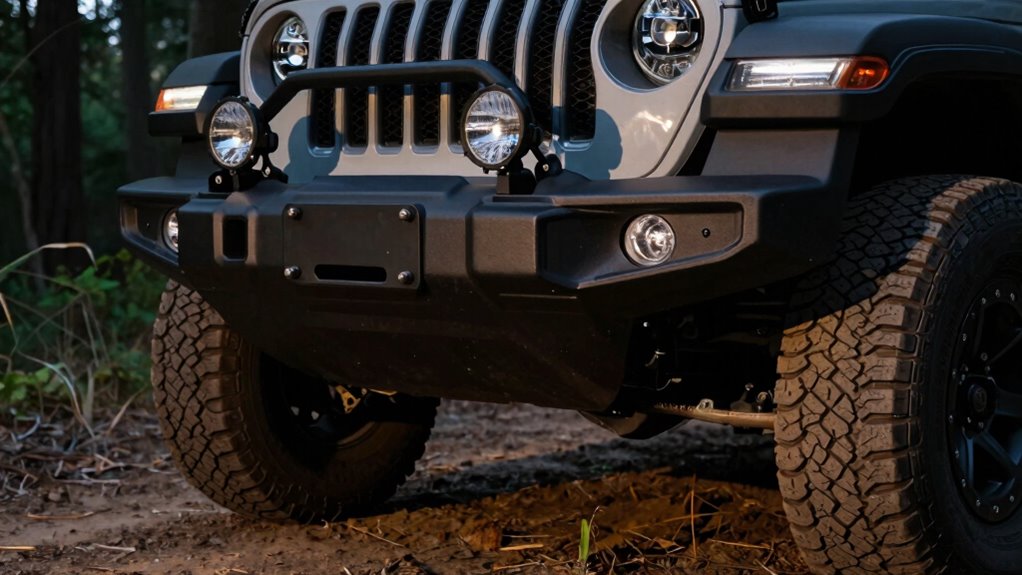
Auxiliary lights can markedly enhance your vehicle’s visibility and safety, especially in low-light or off-road conditions. When considering adding these lights, understanding the technology behind them and ensuring proper installation are essential. LED technology has become the preferred choice for many because of its energy efficiency, durability, and brightness. LEDs produce a brighter, more focused beam compared to traditional halogen or incandescent bulbs, making them ideal for auxiliary lighting. They also consume less power, which means your vehicle’s electrical system isn’t strained, and they tend to last considerably longer. This durability is especially important if you frequently drive on rough terrain or in adverse weather conditions. However, just choosing LED lights isn’t enough; you must also pay close attention to wiring safety during installation. Proper wiring ensures that your lights operate correctly without risking electrical shorts, fires, or damage to your vehicle’s electrical system. Use high-quality wiring and connectors rated for automotive use, and always follow the manufacturer’s instructions. When wiring your auxiliary lights, ensure that you connect them to a dedicated circuit or a switch that can handle the load. Installing a relay is a good practice because it isolates the auxiliary lights from your vehicle’s main wiring, preventing overloads. Keep the wiring protected from moisture, dirt, and vibrations by routing it through insulated conduits or under protective coverings. Good wiring safety also involves avoiding loose connections, which can cause flickering or failure over time. Before you start, turn off your vehicle’s battery and double-check your wiring diagram to prevent mistakes. Proper grounding is essential—attach the negative wire securely to a clean, unpainted metal surface on your vehicle’s chassis to guarantee a solid electrical connection. Many accidents and electrical issues stem from poor wiring choices, so don’t cut corners here. Additionally, using LED technology can significantly improve the efficiency and longevity of your auxiliary lights, making your investment more worthwhile. Understanding wiring safety best practices is crucial to avoid potential hazards and ensure a reliable setup. Proper installation techniques can also help prevent damage and extend the lifespan of your auxiliary lights. It’s also helpful to familiarize yourself with local regulations to ensure compliance and avoid legal issues when installing auxiliary lights. Also, being aware of safety standards can guide you in selecting compliant and safe components for your setup. Installing lights correctly not only enhances your safety but also helps you avoid legal troubles. Overall, selecting LED technology for its efficiency and longevity paired with meticulous wiring safety practices ensures your auxiliary lights provide best performance and reliability. Taking the time to plan and execute a proper installation pays off, giving you clear, bright illumination whenever you need it most.
LED auxiliary lights for vehicles
As an affiliate, we earn on qualifying purchases.
As an affiliate, we earn on qualifying purchases.
Frequently Asked Questions
Are Auxiliary Lights Legal in All States?
Auxiliary lights aren’t legal in all states, so you should check your local laws first. Some states restrict color options, requiring lights to match your vehicle’s color or be white or amber, and specify approved mounting locations. Typically, auxiliary lights are allowed on off-road vehicles or during specific conditions, but rules vary, so always verify regulations to avoid fines or modifications.
How Do Auxiliary Lights Affect Vehicle Insurance?
Auxiliary lights can impact your insurance coverage and premium costs. When you install them, your insurer might see it as an increased risk, potentially raising your premiums. It’s vital to inform your insurance provider about the modifications to guarantee proper coverage. Failing to disclose auxiliary lights could lead to denied claims or policy cancellations. Always check with your insurer beforehand to understand how auxiliary lights might affect your insurance and premiums.
Can Auxiliary Lights Be Installed on Any Vehicle Model?
Yes, you can install auxiliary lights on many vehicle models, but vehicle compatibility varies. You’ll want to verify whether your vehicle supports the setup, as certain models may face installation challenges due to space, wiring, or design restrictions. It’s wise to research your vehicle’s make and model or consult a professional to guarantee the auxiliary lights fit securely, function properly, and don’t interfere with safety or legal standards.
What Is the Typical Lifespan of Auxiliary Lights?
Auxiliary lights typically last between 2,000 to 10,000 hours, depending on bulb durability and usage. You can expect longer lifespan from LED lights, which are more durable and weather-resistant, making them ideal for challenging conditions. Proper installation and regular maintenance also help extend their life. Keep in mind, environmental factors like moisture, dirt, and vibrations can impact longevity, so choose weather-resistant models for better durability.
Do Auxiliary Lights Require Special Wiring or Electrical Upgrades?
Auxiliary lights usually don’t require special wiring or electrical upgrades if your vehicle’s wiring system is compatible. However, you should check the wiring requirements and verify your electrical system can handle the additional load. Using a relay and fuse is recommended to protect your vehicle’s electrical components. If your system is older or less capable, upgrading the wiring or electrical system might be necessary for safe, reliable operation.
As an affiliate, we earn on qualifying purchases.
Conclusion
Before you bolt on those bold, bright auxiliary lights, remember to research, plan, and prioritize safety. Proper placement prevents problems, and professional installation guarantees everything’s perfectly positioned and protected. Don’t forget to check local laws—license and liability matter. With a little preparation, your new lights will boost brightness and bravado without bringing on bugs or bother. Brighten your drive, but always be smart, safe, and savvy!
As an affiliate, we earn on qualifying purchases.
vehicle auxiliary light wiring harness
As an affiliate, we earn on qualifying purchases.
As an affiliate, we earn on qualifying purchases.
Halloween Picks
halloween
As an affiliate, we earn on qualifying purchases.