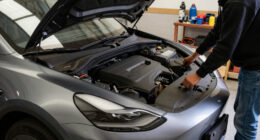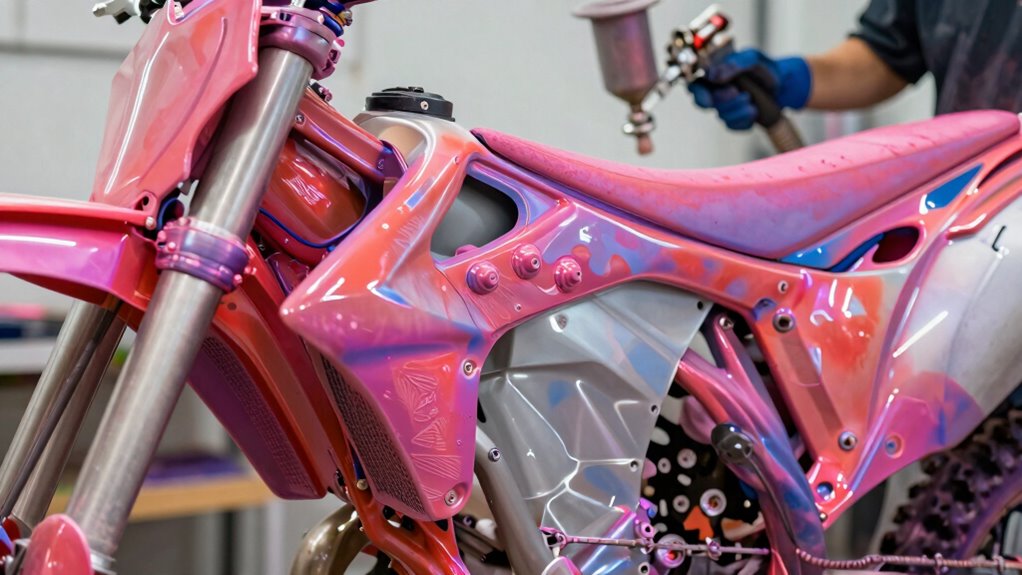
Before powder coating motorcycle parts, you should consider the upfront costs versus long-term savings, as it’s more expensive initially but offers better durability and resistance to chips, scratches, and corrosion. Make sure the shop prep’s the surface thoroughly, removing dirt, grease, and rust, and uses skilled technicians with advanced equipment for a smooth finish. Pay attention to shop quality, color options, and warranties, so your parts stay protected and look great for years to come. Keep going to learn more about what it takes for a perfect powder coat.
Open a free Amazon Business account
Business pricing, bulk buying and tax-exempt orders.
As an affiliate, we earn on qualifying purchases.
Key Takeaways
- Ensure thorough cleaning and surface preparation to optimize adhesion and durability.
- Choose a reputable, experienced shop with advanced equipment for best results.
- Consider the higher upfront cost but weigh it against long-term savings from reduced maintenance.
- Confirm available color options, turnaround times, and warranty policies before proceeding.
- Proper masking and disassembly are essential to protect sensitive areas during coating application.
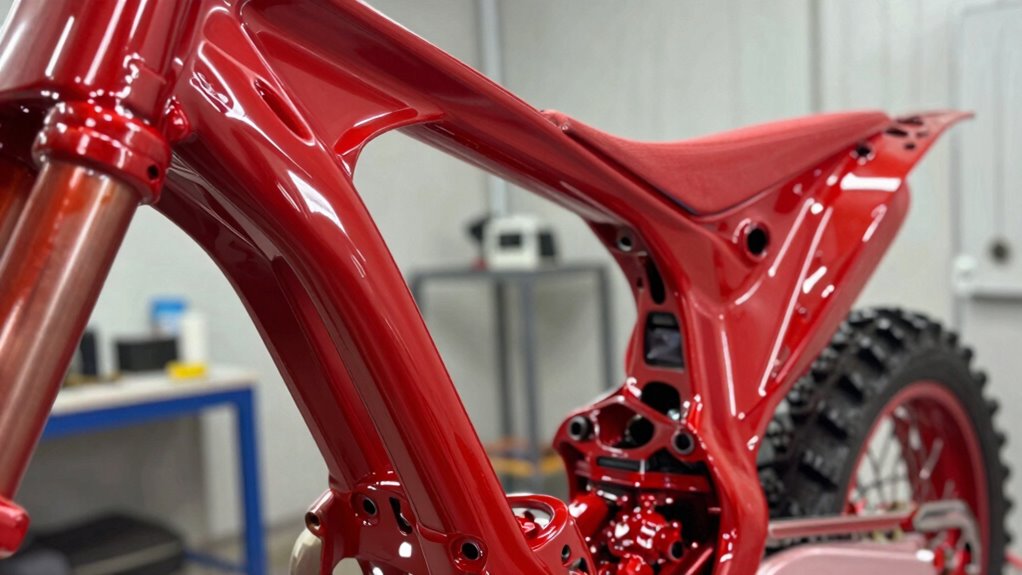
As you contemplate powder coating, it’s important to compare costs to other finishing methods. In general, powder coating might have a higher upfront cost than simple painting, but it offers better longevity and resistance to chips, scratches, and corrosion. When you look at the overall cost comparison, powder coating often proves to be more economical in the long run because it reduces the need for frequent touch-ups or replacements. Plus, the durability of a powder-coated finish means your motorcycle parts stay looking fresh and protected for years, saving you money on maintenance and repairs down the line.
Additionally, understanding the encryption and cybersecurity aspects of digital manufacturing processes can help ensure your custom parts are produced securely and protect your intellectual property.
Before you proceed, make sure to prepare your parts properly. This involves cleaning them thoroughly to remove dirt, grease, and rust. Any contaminants can compromise the adhesion of the powder coat, so proper prep work is essential. You’ll also want to consider whether your parts need to be masked or disassembled to avoid coating areas that shouldn’t be painted, like threads or bearing surfaces. Once prepped, your parts can go into the oven for curing, which fuses the powder into a tough, seamless finish. Proper surface preparation is critical to achieving a high-quality, durable coating. It’s also beneficial to inquire about the shop’s technology capabilities, as advanced equipment can improve the quality and consistency of the coating. A skilled technician with experience in coating application can make a significant difference in the final outcome.
It’s also worth noting that not all powder coating shops are the same. Shop quality and experience make a difference in the final result. Ask about their color options, turnaround times, and warranty policies to ensure you’re getting the best service. Keep in mind that while the initial investment might seem higher than traditional paint, the superior protection and customization options make powder coating a smart choice for motorcycle enthusiasts who want their bikes to look sharp and last longer. With the right preparation and a trusted professional, powder coating can transform your motorcycle parts into durable, eye-catching components that truly reflect your style.
As an affiliate, we earn on qualifying purchases.
Frequently Asked Questions
How Long Does Powder Coating Last on Motorcycle Parts?
Powder coating on motorcycle parts typically lasts 5 to 10 years, depending on surface preparation and usage conditions. Proper surface preparation guarantees better adhesion, boosting coating durability. If you clean and maintain your parts regularly and avoid harsh elements, your powder coating can stay vibrant and protected longer. Keep in mind that high-quality powders and professional application also play a key role in maximizing the lifespan of your motorcycle’s coated parts.
Is Powder Coating Suitable for All Motorcycle Metals?
You’re about to discover that powder coating is the superhero of finishes, but it’s not suitable for all motorcycle metals. Material compatibility is essential, as some surfaces like aluminum or magnesium need specific treatments. Surface preparation is vital to guarantee adhesion and durability. If done correctly, powder coating can transform even the most stubborn metals into a glossy, protective masterpiece. However, skip these steps, and your parts might not withstand the test of time.
Can I Do Powder Coating at Home?
Yes, you can do powder coating at home using DIY techniques, but it’s essential to follow safety precautions. You’ll need a powder coating gun, a proper spray booth, and a curing oven. Make sure to work in a well-ventilated area, wear protective gear, and handle powders carefully to avoid inhalation or skin contact. Research thoroughly and practice on scrap parts before tackling your motorcycle components.
How Much Does Professional Powder Coating Typically Cost?
You might be surprised by the cost of professional powder coating—typically between $100 and $300 per part, depending on size and complexity. When comparing prices, consider service warranties that protect your investment long-term. A higher price often means better quality and durability. Don’t just settle for the cheapest; make sure you’re getting reliable service, a solid warranty, and a finish that lasts through every twist and turn on your motorcycle.
Will Powder Coating Affect the Weight of Motorcycle Parts?
Powder coating adds a thin, durable layer to your motorcycle parts, so it won’t substantially affect their weight. Proper surface preparation guarantees the coating adheres well, providing a smooth finish. Plus, with a variety of color options available, you can customize your bike without worrying about extra weight. Overall, powder coating offers a lightweight, stylish upgrade that maintains your motorcycle’s performance while enhancing its appearance.
high temperature powder coating for motorcycle parts
As an affiliate, we earn on qualifying purchases.
As an affiliate, we earn on qualifying purchases.
Conclusion
So, now that you’re armed with the secret recipe for powder coating motorcycle parts, go ahead and dazzle your bike with that flawless, durable finish. Just remember, it’s not magic—it’s science mixed with a little patience and a dash of daring. Don’t be that person who skips prep and wonders why their coat looks like a toddler’s finger painting. Embrace the process, and your ride will thank you with a shiny, envy-inducing glow.
As an affiliate, we earn on qualifying purchases.
professional motorcycle powder coating service
As an affiliate, we earn on qualifying purchases.
As an affiliate, we earn on qualifying purchases.
Flea & tick season Picks
flea and tick prevention
As an affiliate, we earn on qualifying purchases.