TL;DR
Listen free for 30 days with Audible
Thousands of audiobooks and originals — cancel anytime.
Start your free trialAs an affiliate, we earn on qualifying purchases.
Auto repair tool kits range from basic to professional-grade, packed with essential, durable tools. Recent improvements include digital features and modular designs, making repairs easier and more precise. Knowing what to look for helps you pick the right kit for your vehicle and skill level.
Imagine being able to fix your car’s squeaky brakes or stubborn bolt without waiting on a mechanic. Auto repair tool kits turn that dream into reality, giving you the power to handle common repairs at home or on the road. But with so many options, how do you pick the right set?
This guide walks you through what makes a good kit, recent innovations, and how to choose tools that fit your vehicle and skill level. Read on, and you’ll see how the right toolkit can become your best garage buddy.
Invest in high-quality tools like chrome vanadium steel for longevity and safety.
Digital and modular kits offer flexibility and precision, especially for complex repairs.
Match your kit to your vehicle type and repair skill level for best results.
Safety gear and proper maintenance extend the life of your tools and protect you.
Warranties and brand reputation matter—don’t skimp on support for your investment.
What’s Inside a Basic Auto Repair Kit—and Why It Matters
Getting started means knowing what tools are essential. A typical beginner kit includes screwdrivers, pliers, wrenches, a socket set, and a tire pressure gauge. These cover most small jobs—like changing oil filters or tightening loose bolts.
Quality matters here. Cheaper tools, made from brittle steel or flimsy plastic, wear out fast or risk damaging your car. Investing in chrome vanadium steel tools ensures durability and grip, like a trusted handshake that won’t slip.
For example, a basic kit with a sturdy socket wrench set can handle wheel lug nuts and spark plugs without stripping. This makes your work smoother and safer.
Choosing quality tools means investing in items that maintain their integrity over time. Cheaper alternatives may seem attractive initially, but they often lead to stripped bolts or broken tools, which can cause delays and safety hazards. Durable, high-quality tools also provide better grip and control, reducing the risk of slips that could damage your vehicle or cause personal injury. In essence, the right basic tools set a foundation for safer, more efficient repairs, and they often pay for themselves by lasting longer and performing better.

GLISTON 45pcs Paintless Dent Repair Tool Dent Puller Kit, Adjustable Width, Pops a Dent Car Dent Removal Kit, Golden Lifter, Bridge Puller& Glue Gun for Automobile Body Motorcycle Refrigerator
- Adjustable Height and Width: More effective dent pulling with adjustable size
- Enhanced Durability: Thicker glue tabs for stronger pulls
- Unique Bridge Design: Reduces risk of additional damage
As an affiliate, we earn on qualifying purchases.
As an affiliate, we earn on qualifying purchases.
Latest Tech in Auto Repair Kits — Why They Make a Difference
Auto repair tool kits now feature smart and digital tools—think Bluetooth-enabled torque wrenches or LED work lights that mimic daylight. These innovations boost precision and ease, especially for complex jobs like brake replacements.
Modular kits are gaining ground. You can expand your set with extra sockets, specialized tools, or electric impact wrenches, adapting as your skills grow.
Ergonomics also improve. Handles with anti-slip grips and safety lock mechanisms let you work longer without fatigue or accidents. For instance, cordless impact wrenches cut repair time in half, freeing you from tangled cords.
Eco-friendly options, like recycled steel tools, reflect a shift toward sustainability. All these upgrades make DIY repairs safer, faster, and more enjoyable.
These technological advancements are not just about convenience—they fundamentally enhance repair accuracy and safety. Digital torque wrenches, for example, prevent over-tightening, which can cause damage or compromise safety. Modular kits allow for customization, enabling you to add specialized tools for specific repairs, saving money and space. Ergonomic designs reduce fatigue during prolonged use, decreasing the chance of mistakes or injury. Eco-friendly materials help reduce environmental impact without sacrificing performance. Overall, these innovations empower DIYers and professionals to perform repairs more confidently, efficiently, and responsibly, leading to better vehicle maintenance and safety outcomes.
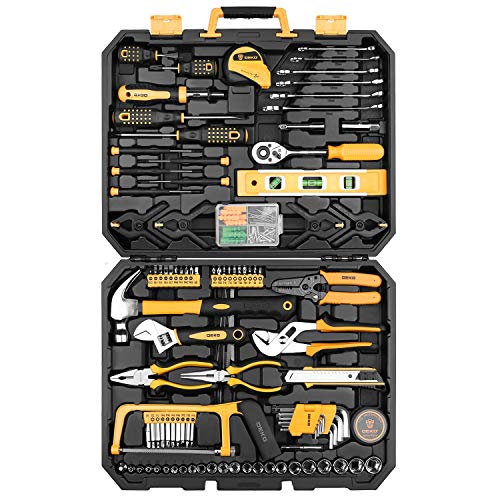
DEKOPRO 228 Piece Socket Wrench Auto Repair Tool Combination Package Mixed Tool Set Hand Tool Kit with Plastic Toolbox Storage Case
- High-Quality Materials: Forged from durable, corrosion-resistant steel
- Comprehensive Tool Set: Includes wrenches, ratchets, sockets, screwdrivers, and more
- Versatile for Repairs: Suitable for DIY projects, repairs, and professional use
As an affiliate, we earn on qualifying purchases.
As an affiliate, we earn on qualifying purchases.
How Much Do Auto Repair Kits Cost — And What Do You Get?
Price ranges from around $20 for a basic set to over $500 for professional-grade kits. The key is matching your budget with your repair needs. A casual DIYer might settle for a mid-range kit, while a mechanic might prefer high-end, precision tools.
Popular brands include Craftsman, Stanley, GearWrench, Kobalt, and Bosch—each offering different levels of quality and warranty support.
Here’s a quick comparison:
| Price Range | Features | Ideal For |
|---|---|---|
| $20-$50 | Basic hand tools, limited variety | Beginners, light repairs |
| $50-$150 | Expanded tools, some digital options | Intermediate DIYers |
| $150-$500+ | Professional-grade, modular, digital | Professionals, serious hobbyists |
While cost is a factor, it’s equally important to consider what you’re getting for that investment. Cheaper kits may lack durability or precision, leading to potential safety issues or the need for replacements sooner. Conversely, higher-end kits often include warranties, better materials, and advanced features that can save you money long-term. Think of it as an investment in your vehicle’s safety and your own confidence—spending a bit more upfront can pay off through better performance and durability over time.
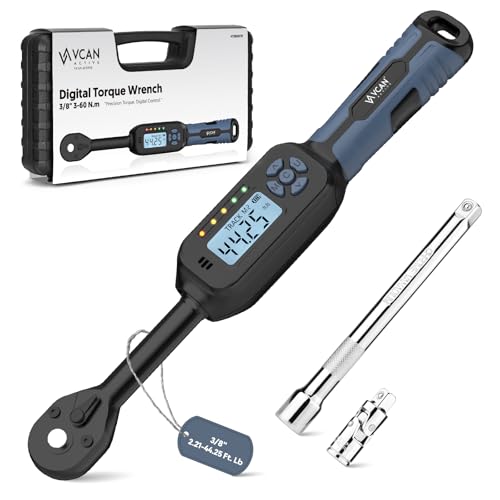
3/8 Torque Wrench Digital (2.21-44.25 Ft. Lb) ±2% High accuracy Digital Torque Wrench 3/8 Drive Ratchet with Buzzer&LED Indicator Track Mode/Universal Joint&6" Xtension Bar for Bike Moto Auto
- High Accuracy: ±2% test accuracy with large display
- Durable Construction: Rugged design for industrial use
- Bright LED Display: Auto-backlight for clear readings
As an affiliate, we earn on qualifying purchases.
As an affiliate, we earn on qualifying purchases.
Top 5 Questions People Ask About Auto Repair Kits
- What tools should I include in a beginner auto repair kit? A set with screwdrivers, pliers, wrenches, a socket set, and a tire pressure gauge covers most basic repairs. Prioritize versatility and durability to ensure these tools can handle a range of common tasks safely and effectively.
- How do I pick the right kit for my vehicle? Match your vehicle type—car, motorcycle, truck—and repair needs, like brakes or electrical systems. Consider the specific tools required for these systems and whether the kit offers expandability for future repairs.
- Are professional tools necessary for DIY repairs? Not always. Mid-range tools work fine for casual projects and are often more affordable. However, investing in higher-quality, professional-grade tools can improve safety, precision, and longevity if you plan regular or complex repairs.
- What safety tips should I follow? Wear safety glasses, gloves, and make sure tools are in good condition. Work in a well-lit, stable environment. Proper safety precautions help prevent injuries and ensure repairs are done correctly.
- How often should I upgrade my tools? Replace worn or damaged tools immediately to maintain safety and effectiveness. Upgrading as your skills improve or as new repair challenges arise ensures your toolkit stays reliable and capable, avoiding potential hazards or subpar repairs.

Safety Seal Tire Repair Kit Auto/LT Deluxe Kit, 30 Standard Repairs (4")
- Includes extra insertion needle: Additional needle for repairs
- Metal insertion tool: Durable metal repair tool
- T-handle spiral probe: Ergonomic spiral probe for easy use
As an affiliate, we earn on qualifying purchases.
As an affiliate, we earn on qualifying purchases.
Frequently Asked Questions
What tools should be in a basic auto repair kit?
A basic kit should include screwdrivers, pliers, wrenches, a socket set, and a tire pressure gauge. These cover most small repairs like changing filters or tightening bolts.How do I choose the right auto repair kit for my vehicle?
Consider your vehicle type—car, motorcycle, truck—and your repair needs. Look for kits that include tools for specific systems like brakes or electrical components.Are professional-grade tools necessary for DIY repairs?
Not always. For casual repairs, mid-range tools often suffice. Professional-grade tools are more durable and precise but come at a higher cost, ideal for frequent or complex projects.What safety precautions should I take when using auto repair tools?
Always wear safety glasses and gloves. Ensure tools are in good condition and work in a well-lit, stable environment. Follow manufacturer instructions carefully.How often should I replace or upgrade my auto repair tools?
Replace worn-out tools immediately. Upgrading is wise as your skills improve or you take on more complex repairs, ensuring safety and efficiency.Conclusion
Your auto repair kit isn’t just a box of tools; it’s your ticket to independence behind the wheel. When you pick quality, tech-savvy, and expandable sets, you turn vehicle fixes from headaches into manageable tasks. Remember, the right tools make all the difference—so choose wisely and keep your ride running smooth.
Next time you hear that squeal or notice a wobble, think of your kit waiting in the garage. It’s more than tools—it’s your car’s best friend, ready to tackle whatever comes next.
Flea & tick season Picks
flea and tick prevention
As an affiliate, we earn on qualifying purchases.