
TL;DR

Get business pricing on garage and car supplies
- Business-only prices and quantity discounts
- Tax-exempt purchasing
- Multiple users, one account, clear invoices
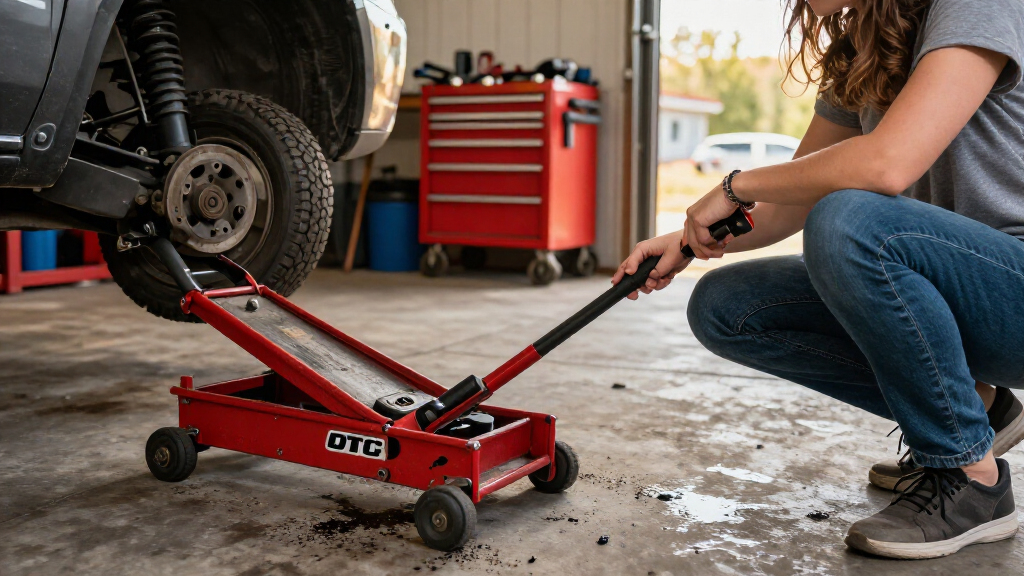
The Drive’s Andrew P. Collins reports that OTC’s two-ton aluminum racing jack and stands performed well during months of testing and offered more lift, controlled lowering and parts support than the Harbor Freight Daytona jack he compared it with. The jack costs about 2.5 times as much, but the review argues that the premium may make more sense for professional, frequent use than for occasional home or trackside work.
The Drive’s Andrew P. Collins says OTC’s two-ton aluminum racing jack and matching stands performed well during months of testing, but cost substantially more than comparable Harbor Freight equipment. The review puts the jack at $564.99 and Harbor Freight’s Daytona two-ton aluminum jack at about $220, framing the premium as a potential fit for professional or frequent use rather than a necessary upgrade for every driver.
Collins tested OTC’s LDJA2 two-ton aluminum racing jack and SA02 two-ton aluminum jack stands for months, including in shop work and while preparing cars for track events. He says the equipment was reasonably light and performed well. The jack weighs 41 pounds, according to the review, and reaches a maximum lift height of 18 5/8 inches. With its saddle removed, it can slide under vehicles with 3 1/4 inches of clearance.
Collins says those dimensions solved a specific problem: the Harbor Freight jack he had bought could not lift his Civic high enough at its rear-center jack point to raise both rear wheels. He returned it. He compares OTC’s jack with Harbor Freight’s Daytona aluminum two-ton model, which the article lists at about $220, with a maximum lift height of 16 3/4 inches and a weight of 42.7 pounds. Both products are described in the review as meeting the ASME PASE safety standard.
The OTC jack was listed at $564.99 at Summit Racing when the article was written, with the pair of stands at $153.99. The review also cited a $539.99 Amazon price for the jack and a $749.99 Summit listing for a jack-and-stands kit. These are reported prices from the article, not guaranteed current offers. Collins says OTC’s controlled release, replacement-parts availability and authorized service network are part of the case for paying more.
The Price of Professional Support
The review is useful to shoppers because it separates lifting capacity and safety standards from durability, repairability and day-to-day feel. Collins says the OTC jack’s release valve makes lowering a vehicle easier to control, and that the company provides replacement parts and authorized service centers. That support may matter to shops or racers who depend on equipment frequently and would lose time if a jack needed replacing.
For occasional use, the article does not say that the more expensive jack is required. Collins writes that a less expensive setup can be adequate if it meets the ASME PASE standard and suits the vehicle’s clearance and lift-height needs. The practical decision is whether the additional lift, service support and claimed professional-grade longevity justify the premium for a particular buyer’s workload.
The review also describes OTC’s limited lifetime warranty as narrower than an unconditional replacement promise. It covers defects in materials and workmanship, while wear items such as seals, misuse and rust are excluded. The original buyer must provide proof of purchase, and shipping may initially be the buyer’s responsibility. That distinction matters when comparing warranty language as well as sticker prices.
Products Worth Considering
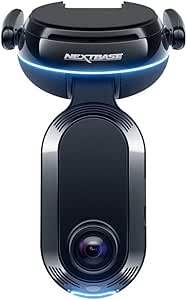
Nextbase iQ 4K Smart HD Dash Cam Pro with 64GB microSD Card – Front and Rear View, 1440p, Smart Sense Parking, Emergency SOS, Roadwatch AI

DEWALT 20V MAX XR Impact Driver, 1/4 Inch High Torque Brushless 3-Speed Cordless with LED Light, Extended Runtime (DCF845B)

Chemical Guys 14-Piece Arsenal Builder Car Wash Kit with Foam Blaster
As an affiliate, we earn on qualifying purchases.
How the Comparison Began
Collins says he wanted a portable jack-and-stand setup for autocross and hillclimb events that would fit in cars such as an E46, a Miata or a Civic Si. His existing home floor jack weighed about 70 pounds, so he first chose a lower-cost Harbor Freight two-ton jack. After it failed to provide enough height for the Civic’s rear-center lifting point, he returned it and began comparing other options.
According to The Drive, OTC stands for Owatonna Tool Company, founded in Minnesota in 1925 and now a Bosch brand. The publication says OTC supplies tools for automotive, motorsport and industrial work. Collins disclosed that The Drive may earn revenue from products featured on its pages and participates in affiliate programs; he also says OTC sent him the jack and stands to test.
“The OTC’s build quality is appreciably better than every other consumer-grade jack I’ve used, and its specs are a bit better too.”
— Andrew P. Collins, The Drive reviewer
Limits of the Test and Warranty
The article is a review based on one writer’s use, not a controlled durability comparison between OTC and Harbor Freight models. It does not provide a measured lifespan, repair-rate data or long-term cost comparison. Collins reports months of testing, but the source material does not specify the number of lifting cycles or the exact test conditions.
Prices may have changed since publication, and the review does not establish that every Harbor Freight jack or OTC unit will perform the same way. The warranty’s application to a specific failure is also not settled by the article: OTC determines whether a defect is covered and whether it will repair or replace the product. Buyers should check current product specifications, warranty terms and prices before purchasing.
Check Fit, Price and Coverage
The review sets out no future test or company announcement. Readers considering a purchase can compare the jack’s minimum clearance and maximum lift with their vehicle’s approved lifting points, then verify the current price and warranty details with the seller and manufacturer. A jack must be used on a firm, level surface and paired with correctly rated stands; it should not be treated as a substitute for stands when working beneath a vehicle.
For buyers who work on vehicles often, Collins’s account points to service access and parts availability as factors to weigh alongside purchase cost. Those who lift vehicles only occasionally may find that a lower-priced model meeting their requirements is sufficient, as the review argues. The article does not identify a single best choice for all users.
Key Questions
What did The Drive test?
Andrew P. Collins tested the OTC LDJA2 two-ton aluminum racing jack and SA02 two-ton aluminum jack stands over several months.
How much more does the OTC jack cost?
The review listed the OTC jack at $564.99 at Summit Racing and Harbor Freight’s Daytona aluminum two-ton jack at about $220. Those reported prices may no longer be current.
What difference in lift height did the review report?
The OTC jack’s maximum lift height is listed as 18 5/8 inches, compared with 16 3/4 inches for the Daytona model discussed in the article.
Does Collins recommend the OTC jack for everyone?
No. Collins says its price may be easier to justify for professional or frequent use, while occasional users may be served by a less expensive jack that meets the ASME PASE standard and fits their vehicle’s clearance and lift needs.
What does OTC’s limited lifetime warranty cover?
The review says it covers defects in materials and workmanship for the product’s lifespan. It excludes wear items such as seals and damage from misuse, rust or other listed causes; claims require proof of purchase and are subject to OTC’s assessment.
Source: thedrive.com