
When choosing spark plugs for your classic engine, focus on selecting the correct heat range, electrode design, and compatibility with your specific model. Proper plugs guarantee smooth starts, better fuel efficiency, and reliable performance by promoting complete combustion and preventing misfires. Always inspect and replace worn plugs timely, and install them with the right torque. If you keep these points in mind, you’ll help your old engine run at its best — and there’s more to learn for maximum results.
Key Takeaways
- Select spark plugs with a heat range suitable for your classic engine’s operating temperature.
- Ensure electrode design matches your engine’s specifications for reliable sparking and durability.
- Regularly inspect and replace worn or fouled plugs to maintain optimal engine performance.
- Use a torque wrench and proper gap setting during installation to prevent damage and ensure proper firing.
- Choose high-quality plugs compatible with your engine type to enhance efficiency and prolong lifespan.
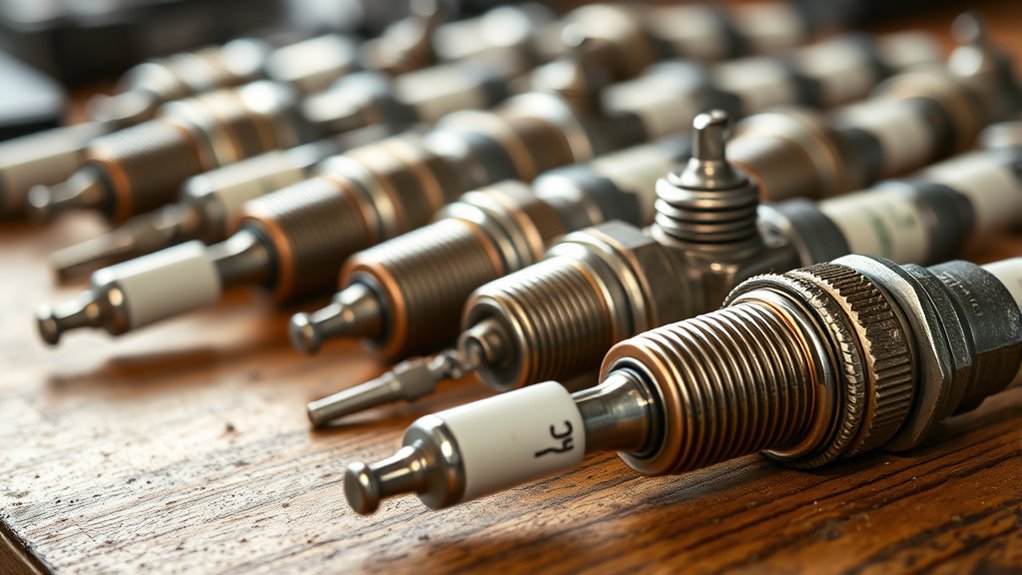
Choosing the right spark plugs is vital for keeping your classic car running smoothly and efficiently. Your vehicle’s ignition system relies heavily on spark plugs to ignite the air-fuel mixture, which powers your engine. When selecting spark plugs, you need to consider their heat range, electrode design, and compatibility with your engine’s specifications. The correct plug ensures proper combustion, ideal fuel efficiency, and reliable starts. If you overlook this, your engine could misfire, run rough, or even suffer damage over time.
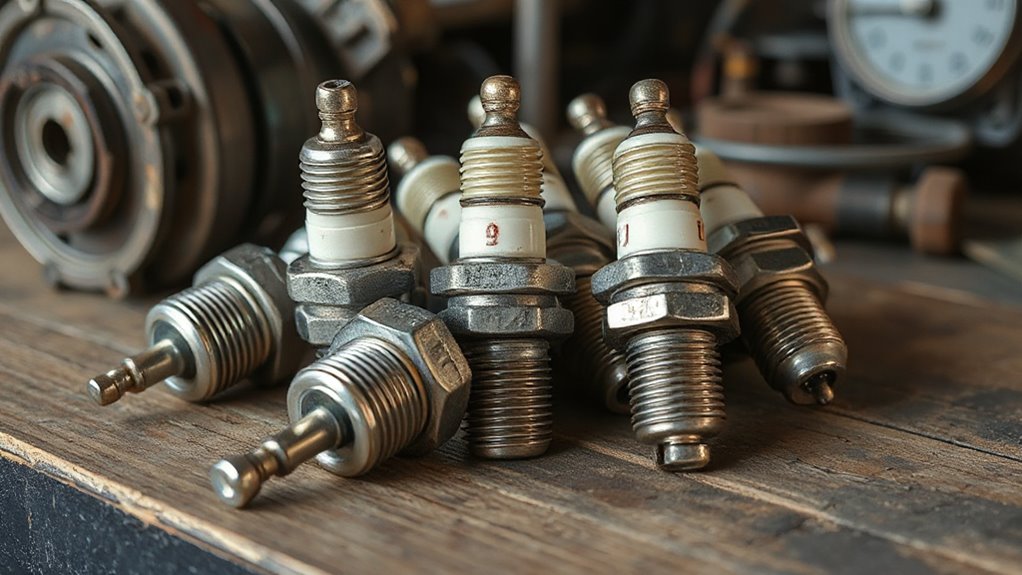
Maintaining your spark plugs is just as important as choosing the right ones in the first place. Regular inspection and timely replacement help keep your ignition system functioning at peak performance. When checking your spark plugs, look for signs of wear such as carbon buildup, oil fouling, or electrode erosion. These issues can indicate underlying problems, like improper mixture or worn piston rings, which you should address to prevent further damage. Remember, a clean, properly gapped spark plug provides a stronger spark, leading to better combustion and smoother engine operation.
To keep your classic car in top shape, adhere to some straightforward maintenance tips. First, always check the gap between the center and ground electrodes before installing new spark plugs. Proper gap settings are vital for ensuring a strong spark and complete combustion. Consult your vehicle’s manual or manufacturer’s guidelines for the recommended gap size. When replacing spark plugs, use high-quality options designed for your specific engine type, whether it’s a vintage V8 or an inline-four. This guarantees compatibility and longevity.
Another tip is to avoid over-tightening the spark plugs during installation, as this can damage the threads or crack the porcelain insulator. Use a torque wrench to tighten them to the manufacturer’s specifications, ensuring a secure fit without risking damage. Additionally, consider using anti-seize compound on the threads to facilitate future removal, especially if you live in a climate with high humidity or road salt. Regularly replacing spark plugs as part of your maintenance routine helps prevent misfires, reduces emissions, and promotes fuel economy. Properly selecting and maintaining your spark plugs can also improve your engine’s overall performance and efficiency.
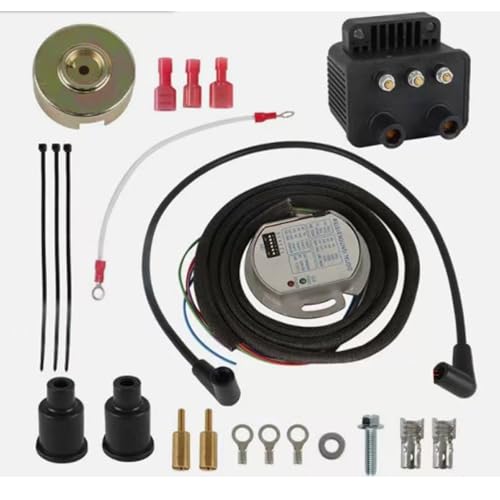
Single Fire Programmable Ignition Coil Kit - Compatible with 1970-1999 Harley-Davidson Big Twin (Except Twin Cam) & 1986-2003 Sportster (Except S models), Replaces 53-660
Wide Compatibility: Compatible with Harley-Davidson Big Twin models 1970–1999 (except Twin Cam) and Sportster 1986–2003 (except ‘S’ models).Also...
As an affiliate, we earn on qualifying purchases.
Frequently Asked Questions
Can I Use Modern Spark Plugs in Vintage Engines?
Yes, you can use modern spark plugs in vintage engines, but guarantee they match vintage engine compatibility. Modern spark technology offers improved performance, efficiency, and durability, making them tempting choices. However, check the plug’s heat range, electrode design, and size to ensure it fits and functions properly. Using the right plug prevents engine damage and maintains your classic’s authenticity while benefiting from the latest spark plug advancements.
How Often Should Classic Car Spark Plugs Be Replaced?
Did you know that most spark plugs last about 20,000 to 30,000 miles? You should replace your classic car’s spark plugs every 12,000 to 15,000 miles or once a year, depending on driving habits. Use high-quality spark plug materials like platinum or iridium for durability, and regularly verify your engine tuning. Proper maintenance guarantees your vintage engine runs smoothly and efficiently longer.
Are Platinum Plugs Better Than Traditional Copper Ones?
Platinum plugs are better than traditional copper ones because of their superior durability and longevity. You’ll notice platinum’s durability lasts longer, reducing replacements, while copper offers better conductivity for a quick spark. If you want a spark plug that lasts and maintains consistent performance, go for platinum. However, if you prioritize excellent conductivity and cost-effectiveness, copper remains a solid choice for your classic engine.
What Impact Do Spark Plug Gaps Have on Engine Performance?
Think of spark plug gaps as the heartbeat of your engine—if they’re too wide or narrow, performance suffers. Proper gaps optimize ignition timing, ensuring a strong spark that ignites the fuel-air mixture efficiently. This balance improves fuel efficiency and smooth engine operation. When you maintain the correct gap, you help your engine run reliably, boosting power and saving fuel, much like tuning an instrument for perfect harmony.
Can Incorrect Spark Plugs Cause Engine Knocking?
Yes, incorrect spark plugs can cause engine knocking. When the spark plug’s heat range or gap isn’t right, it can disrupt ignition timing, leading to premature ignition of the fuel mixture. This knocking occurs because the fuel ignites too early or unevenly, stressing the engine. Ensuring your spark plugs match your engine’s specifications helps maintain proper ignition timing and a balanced fuel mixture, preventing knocking and improving performance.

CV Carburetor Rebuild Kit for Harley Davidson CV40 27421-99C 27490-04 XL883 40mm Carb Repair Kit 27421-99A Rebuild Kit,CV40 Rebuild Kit, CV Carb Jet Kit by BOOTOP PIN
CV Carburetor Rebuild Kit,CV Carb Repair Kit for Harley Davidson CV40 CV 40mm XL883 XL1200 carb engine. CV...
As an affiliate, we earn on qualifying purchases.
Conclusion
Choosing the right spark plug for your classic engine ensures it runs smoothly and reliably. Remember, a well-chosen spark plug is the heart of your vintage ride’s performance. As the saying goes, “A stitch in time saves nine,” so don’t skip the proper maintenance. Keep your engine happy by selecting the right plug, and enjoy many more miles of nostalgic driving. After all, taking care of your classic means it’ll take care of you.
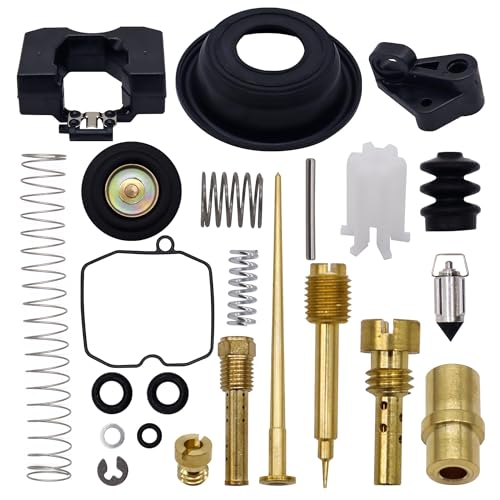
OXCANO 27421-99C Carburetor Rebuild Carb Repair Kit Compatible with Harley Davidson Dyna Sportster 40mm XL883 XLH1200, Keihin HD CV40, 883 Roadster XL, HD Super Glide FXR, HD Softail Deluxe FLSTN
[Fitment]-Compatible with Harley Davidson Sportster 40mm XL883 XLH1200,Keihin HD CV40 Carburetor,CV Carburetor,1200 Custom XLC,1200 Low XL,1200 Roadster XLR,1200...
As an affiliate, we earn on qualifying purchases.

32 Amp Alternator Charging System for 1970-1984 Shovelhead & 1984-1999 "EVO Evolution Big Twin FX/FL, Softail, Dyna, FXR, Touring Models (Except Twin Cam & EFI Models) with Stator, Rotor, Reg/Rec
Upgrade your '70-'84 Big Twins weak charging system with this upgraded 32 Amp Kit! These systems are the...
As an affiliate, we earn on qualifying purchases.