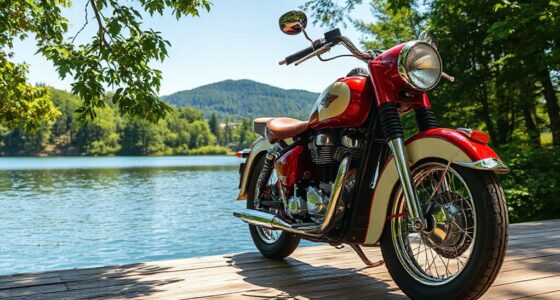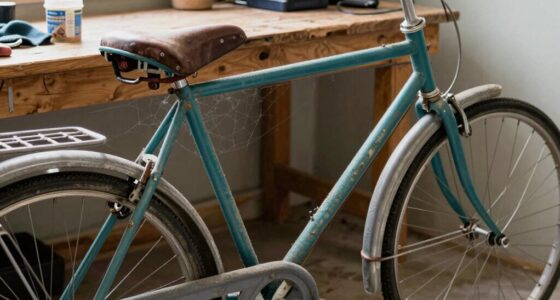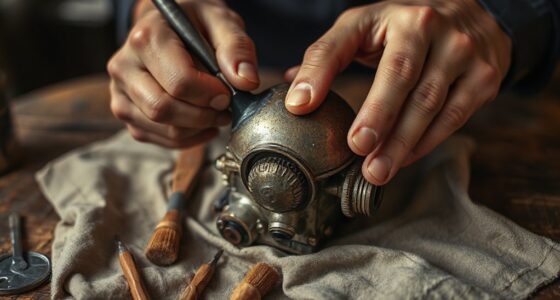
Maintaining a classic motorcycle is hands-on and straightforward, with exposed parts like carburetors and valves that you can easily access and adjust using basic tools. You’ll perform routine tasks more frequently, such as oil changes and valve checks, fostering a closer connection and understanding of your bike. Modern bikes, however, rely on advanced electronics and durable parts that require less frequent manual work but often need specialized tools and expertise. Keep going to learn how these differences shape your riding experience.
Key Takeaways
- Classic bikes feature exposed, accessible components requiring manual adjustments, while modern bikes rely on sealed systems and diagnostic tools.
- Maintenance on vintage motorcycles is more frequent and hands-on, involving routine tasks like valve checks and carburetor tuning.
- Sourcing parts for classic bikes can be challenging, often needing custom fabrication or salvage, unlike the readily available parts for modern bikes.
- Restoring and customizing vintage motorcycles involves deep mechanical work and craftsmanship, whereas modern bikes focus on electronic systems and durability.
- Classic motorcycle maintenance fosters active owner engagement and skill development, while modern bikes emphasize reliability with less owner involvement.

32 Amp Alternator Charging System for 1970-1984 Shovelhead & 1984-1999 "EVO Evolution Big Twin FX/FL, Softail, Dyna, FXR, Touring Models (Except Twin Cam & EFI Models) with Stator, Rotor, Reg/Rec
Upgrade your '70-'84 Big Twins weak charging system with this upgraded 32 Amp Kit! These systems are the...
As an affiliate, we earn on qualifying purchases.
Mechanical Simplicity and Accessibility
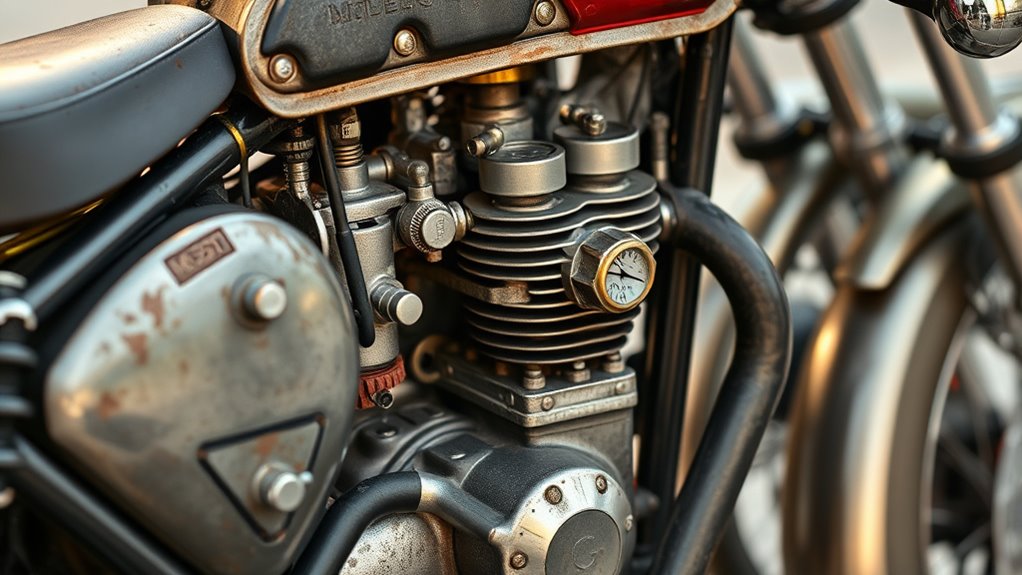
Classic motorcycles are prized for their mechanical simplicity, making maintenance more accessible for enthusiasts. You’ll find exposed components like carburetors, valves, and ignition points that you can access easily without specialized tools. This design allows you to perform tasks such as adjusting valves or rejetting carburetors with basic hand tools and a workshop manual. This transparency means you can understand how each part works and take direct action when something needs fixing. Unlike modern bikes with complex electronics and integrated systems, classic bikes don’t hide their mechanics behind plastic covers or digital interfaces. This straightforward engineering encourages hands-on involvement, giving you a satisfying connection to your bike’s mechanics. Additionally, the design often facilitates free floating adjustments, simplifying maintenance even further. The open layout encourages a learning process that deepens your mechanical knowledge, which is often limited in modern motorcycle designs. Overall, this simplicity makes ownership more engaging and maintenance more manageable for DIY enthusiasts. Moreover, the accessible layout fosters a deeper understanding of mechanical principles, making it easier for owners to troubleshoot issues without relying heavily on specialized diagnostics.
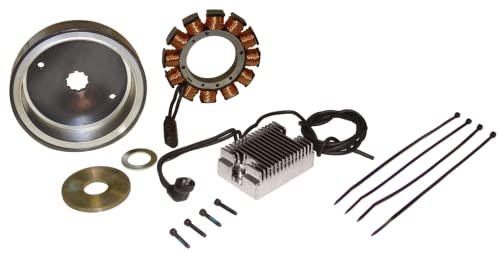
Heavy Duty 32 Amp Alternator Charging System w/HD One-Piece Rotor for 1970-1984 Harley Shovelhead & 1984-1999 EVO Big Twin Motor (Except Twin Cam & EFI Models) Chopper Bobber
Upgrade your '70-'84 Big Twins weak charging system with this HEAVY DUTY 32 Amp Kit! These systems are...
As an affiliate, we earn on qualifying purchases.
Maintenance Frequency and Routine Tasks

How often you need to perform maintenance on your motorcycle depends largely on its age and design, with older bikes typically requiring more frequent attention. Classic motorcycles demand regular tasks to keep them running smoothly. You should:
- Change the oil every 1,000 to 2,000 miles to prevent engine wear.
- Check and adjust valve clearances regularly, often every few thousand miles.
- Inspect for oil leaks and replace worn gaskets or seals promptly.
- Keep an eye on your maintenance schedule and adhere to recommended service intervals to ensure optimal performance and longevity. Regular lubrication of moving parts is essential for preventing premature wear and ensuring smooth operation. Incorporating auditory processing awareness can also help in diagnosing subtle engine issues early on. Additionally, staying attentive to vibration patterns can provide early clues to mechanical problems that may require attention. Proper cooling system maintenance is also crucial, especially in older bikes where cooling components may be less efficient. Older bikes also need frequent tire and brake checks because rubber components deteriorate. Unlike modern bikes, which extend service intervals, classic bikes require your hands-on involvement. Staying consistent with these tasks ensures your vintage ride remains reliable, safe, and enjoyable.

Black Widow Aluminum Dirt Bike Hitch Carrier with Ramp for Truck & SUV, 400-Pound Capacity - Non-Folding Motorcycle, eBike & Fat Tire Bike Hauler, Fits 2-Inch Class III/IV Receiver
Versatile Bike Hauling: Transport motorcycles, e-bikes, and fat tire bikes with ease using your Class III or IV...
As an affiliate, we earn on qualifying purchases.
Parts Sourcing and Availability Challenges
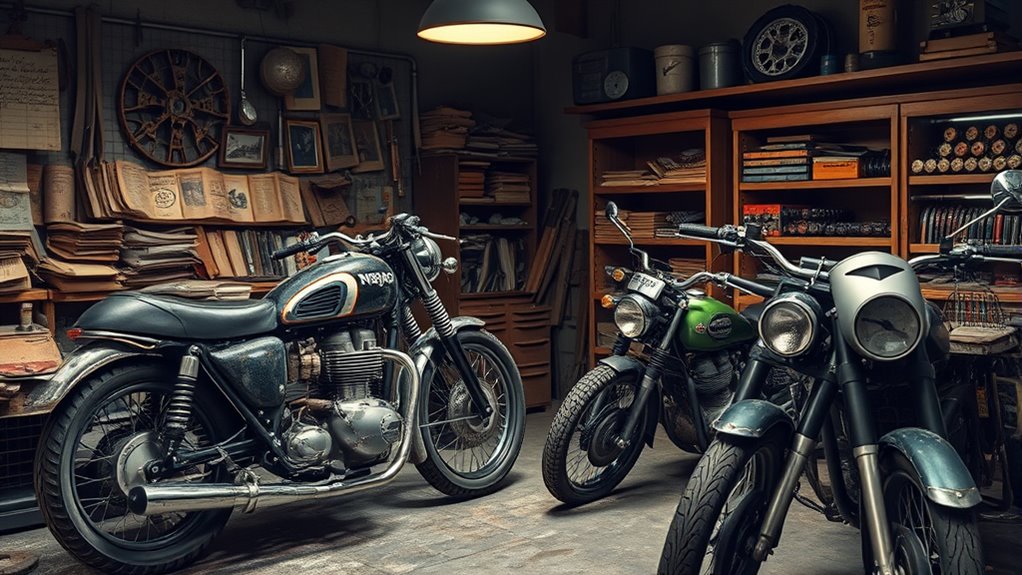
Finding replacement parts for vintage motorcycles can be a significant challenge, especially as models age and original components become scarce. For rare or early bikes, parts may be discontinued, forcing you to search through salvage yards, online marketplaces, or custom fabricators. Even popular models might require you to rely on aftermarket support or reproduction parts, which can vary in quality and fit. Sometimes, you’ll need to get creative, fabricating or modifying parts to keep your bike running. This process can be time-consuming and expensive, adding complexity to restoration projects. Additionally, the availability of original components can be further impacted by market demand and manufacturing trends, making sourcing even more unpredictable. The market demand for vintage parts can fluctuate greatly, influencing availability. In contrast, modern bikes benefit from extensive OEM parts networks, warranties, and standardized components that make sourcing replacements easier, faster, and more predictable. The growing acceptance of digital assets like cryptocurrency has also led to innovations in supply chain management and digital transactions, which could influence future parts sourcing methods in the motorcycle industry. Moreover, the integration of digital supply chain solutions has enhanced the efficiency of parts procurement for modern manufacturers. Furthermore, advancements in 3D printing technology provide new avenues for creating custom or hard-to-find components when traditional sourcing fails.

VEVOR Motorcycle Carrier, 600 LBS Steel Motorcycle Carrier Hitch Mount with 47" Longer Ramp, Scooter Dirt Bike Trailer Hauler with Ratchet Straps and Stabilizer, for Car, Truck with 2" Hitch Receiver
600LBS Weight Capacity: Our steel motorcycle hitch carrier has an exceptional weight capacity of 600 pounds, ensuring stable...
As an affiliate, we earn on qualifying purchases.
Impact of Technology and Modern Features

Modern motorcycles incorporate advanced electronic features that considerably impact maintenance routines and rider experience. You’ll notice that these systems, like ABS, traction control, and electronic fuel injection, enhance safety and performance but require specialized diagnostics for repairs. This shift brings three main effects:
Modern motorcycle electronics improve safety and performance but make diagnostics and repairs more complex.
- Simplifies routine tasks—longer intervals between manual adjustments mean less time wrenching and more riding. Additionally, electronic control modules streamline many functions that previously required manual tuning. The integration of advanced diagnostic tools allows technicians to quickly identify issues without extensive disassembly.
- Increases dependency on technology—you rely on diagnostic tools and dealer expertise, making DIY repairs more challenging. This reliance underscores the importance of understanding modern diagnostic tools and their operation.
- Adds complexity—electronic systems can fail in ways mechanical parts don’t, often requiring professional intervention. Additionally, the integration of smart diagnostics helps identify issues more efficiently, but also emphasizes the need for modern knowledge and equipment. As motorcycles become more energy-efficient, they integrate smarter systems that demand updated skills for proper maintenance.
While these features boost convenience and safety, they transform maintenance from straightforward mechanical work into a tech-driven process, emphasizing the importance of modern tools and expert support.
Reliability and Durability Considerations
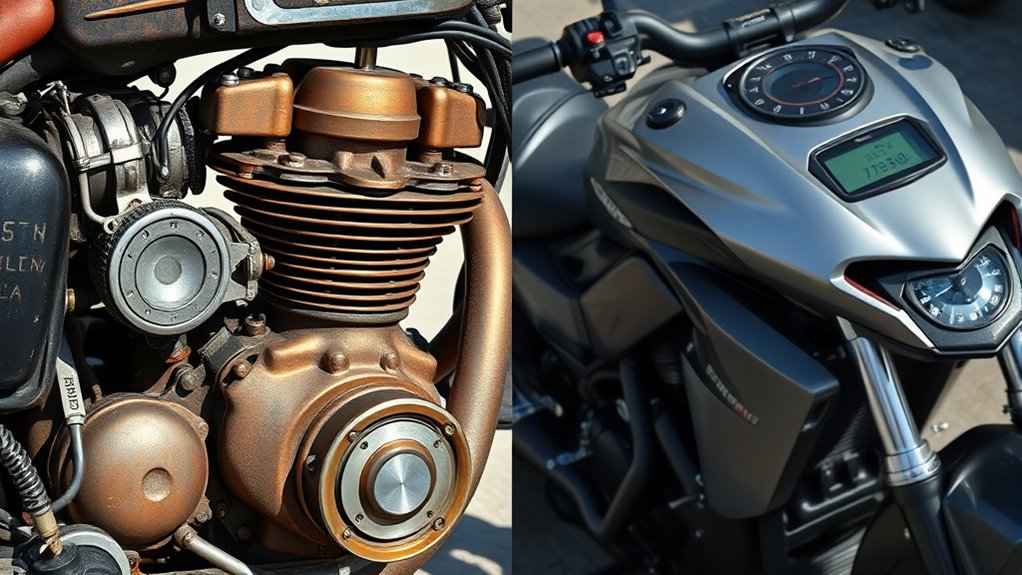
Reliability and durability play a crucial role in your choice between classic and modern motorcycles. Modern bikes benefit from advanced materials and precision manufacturing, making them generally more dependable with fewer breakdowns. They often come with warranties and scheduled maintenance plans, reducing unexpected repairs. They also typically feature reliable electrical systems, which further enhances dependability. Conversely, classic motorcycles, with their mechanical simplicity, can be more prone to issues like gasket leaks, metal fatigue, and worn components, requiring consistent upkeep. While they may need frequent adjustments—such as valve clearances and carburetor tuning—these bikes also allow for easier troubleshooting. Additionally, classic bikes often showcase timeless craftsmanship, emphasizing manual skill and traditional techniques. Modern motorcycles also incorporate advanced repair solutions, which can improve maintenance efficiency and longevity. Furthermore, the availability of specialized parts for classic models can influence repair choices and costs. Ultimately, modern bikes offer higher reliability through engineered durability, whereas classic motorcycles demand proactive maintenance but reward owners with a hands-on experience and a sense of craftsmanship. Your choice hinges on balancing convenience against mechanical engagement.
Rider Engagement and Maintenance Philosophy
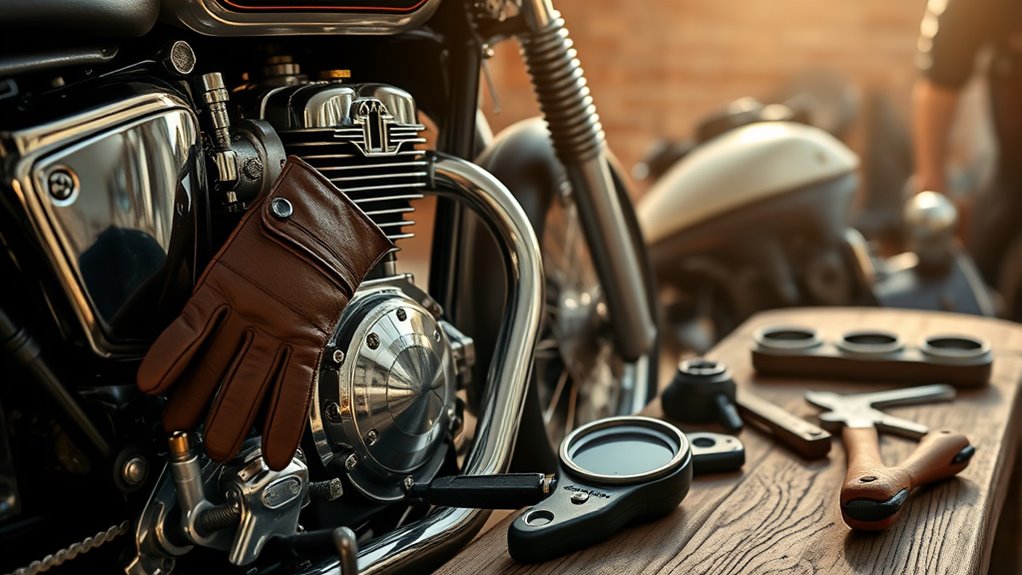
Your approach to motorcycle ownership reflects your priorities—whether you enjoy getting hands-on with your bike or prefer riding with minimal fuss. Classic bikes demand active engagement, fostering a deep connection through routine maintenance and tuning. You’ll find satisfaction in:
Embrace hands-on motorcycle care, forging a personal bond through maintenance and mechanical mastery.
- Diagnosing and fixing issues yourself, feeling pride in keeping your bike running smoothly. This hands-on involvement often enhances your understanding of mechanical intricacies and how each component functions within the overall system. Engaging directly with sound vibrations can also improve your troubleshooting skills, as it helps you recognize unusual noises or vibrations indicating specific problems.
- Learning mechanical details, appreciating the craftsmanship and simplicity behind each component.
- Customizing and restoring for performance and style, turning maintenance into a creative process.
- Exploring vintage parts and techniques, which often require a deeper understanding of traditional maintenance practices.
This philosophy emphasizes skill, patience, and a personal bond with your motorcycle. It’s about embracing the journey of upkeep as part of ownership, rather than just a chore. If you thrive on technical involvement, classic bikes align perfectly with your passion.
Restoration and Modification Opportunities

Restoration and modification of classic motorcycles offer a rewarding way to enhance both performance and style, allowing you to preserve the bike’s vintage character while tailoring it to your preferences. You can upgrade outdated components, like installing modern suspensions or improved brakes, to boost safety and riding comfort. Customizing paint jobs, seats, or exhaust systems helps express your personal style. Unlike modern bikes, where parts are standardized and upgrades are often limited, classic bikes invite hands-on tinkering, including rebuilding engines or fabricating parts. This process deepens your mechanical knowledge and reconnects you with the bike’s history. While restoration can be complex and costly, it offers the satisfaction of bringing a vintage machine back to life and making it uniquely yours.
Frequently Asked Questions
How Do Classic Motorcycle Maintenance Costs Compare to Modern Bikes?
You’ll find that maintaining a classic motorcycle generally costs more than a modern bike. Classic bikes require frequent parts replacements, manual adjustments, and more routine repairs due to age and mechanical wear. Modern bikes benefit from longer service intervals, fewer manual tune-ups, and readily available parts, which lower maintenance costs. While classic bikes can be more satisfying to work on, expect higher ongoing expenses compared to the more affordable and less time-consuming upkeep of modern motorcycles.
Are There Any Safety Risks Associated With Maintaining Older Motorcycle Models?
Yes, maintaining older motorcycles poses safety risks if you neglect regular checks. You might overlook worn brake lines, deteriorated tires, or leaking gaskets, which can cause accidents. Old wiring and mechanical parts may also fail unexpectedly, leading to electrical fires or breakdowns. To stay safe, you should regularly inspect, replace worn components, and address rust or corrosion, ensuring your bike remains reliable and secure on the road.
Can Modern Tools and Diagnostics Be Used on Classic Motorcycles?
You can’t typically use modern diagnostic tools directly on classic motorcycles because they lack electronic systems that those tools are designed for. Classic bikes rely on mechanical parts and simple wiring, so you’ll need basic tools like screwdrivers, wrenches, and a multimeter for electrical checks. However, some enthusiasts adapt modern tools for specific tasks, but full diagnostics usually require traditional methods tailored to the bike’s mechanical nature.
What Are the Environmental Impacts of Restoring Vintage Motorcycles?
You know what they say, “Every silver lining has a cloud.” Restoring vintage motorcycles impacts the environment through increased resource use, such as mining for metals and manufacturing parts, which creates pollution. Disposal of old parts, oils, and chemicals can harm ecosystems if not handled responsibly. However, restoring bikes can also extend a motorcycle’s life, reducing waste and promoting sustainability when done carefully and with eco-friendly practices.
How Does Rider Skill Level Affect Maintenance Requirements for Each Type?
Your skill level greatly influences maintenance for both types. If you’re experienced, you can handle the mechanical tasks of classic bikes, like carburetor tuning and valve adjustments, saving time and money. For modern bikes, advanced electronics require you to understand diagnostics and electronic systems. If you’re less skilled, you might rely more on professional help, especially with modern bikes, while beginners can enjoy the hands-on approach of vintage motorcycles with some guidance.
Conclusion
As you realize the differences between classic and modern bikes, you notice how their unique qualities mirror your own riding journey—simple yet intricate, reliable yet ever-changing. Sometimes, the charm lies in the challenge of sourcing parts or embracing the vintage feel, while other times, you appreciate the seamless technology that modern bikes offer. In both, you find yourself engaged, learning, and evolving—proof that whether old or new, every ride reflects a story worth embracing.