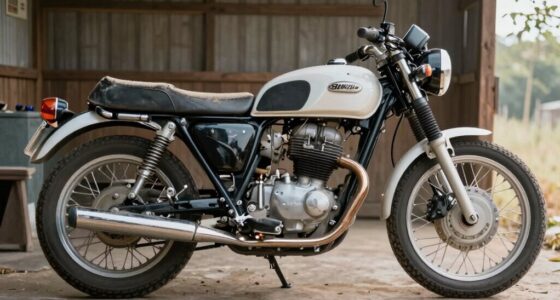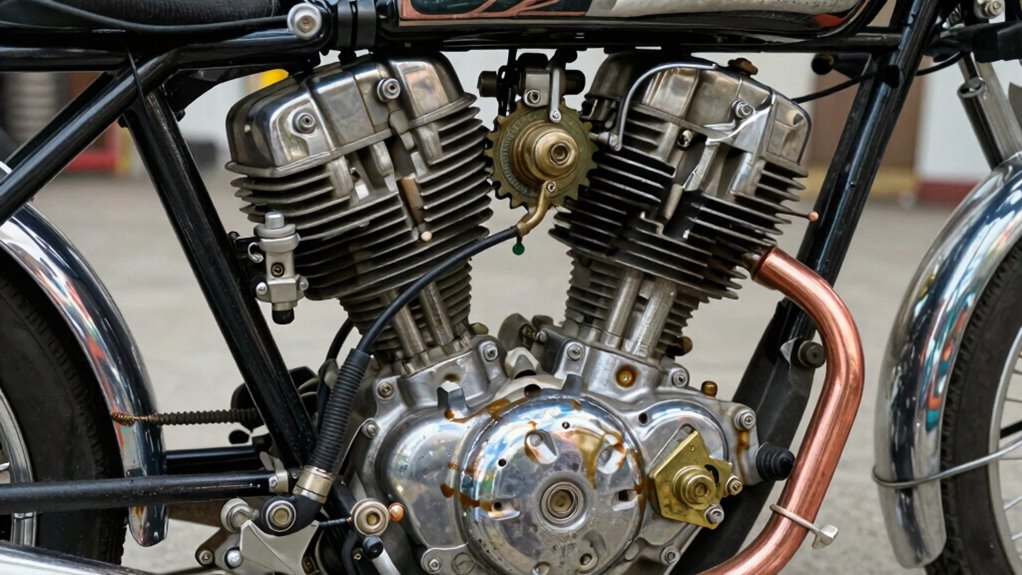

To extend your old motorcycle’s engine life, keep up with regular oil and filter changes using quality oils, and make sure your cooling system stays in top shape with fresh coolant and clean radiators. Maintain proper chain tension, inspect spark plugs, and ensure the air intake stays free of dirt. Store your bike properly and ride responsibly to minimize wear and tear. Continue to explore these tips for long-lasting performance.
Key Takeaways
- Regularly change engine oil and filters to ensure proper lubrication and prevent wear.
- Maintain the cooling system by flushing coolant and inspecting hoses to prevent overheating.
- Keep air filters clean and replace them periodically to ensure optimal airflow and engine efficiency.
- Check and adjust drive chain tension and lubrication to reduce wear and improve performance.
- Store motorcycle properly, avoid aggressive riding, and perform routine inspections to prolong engine lifespan.
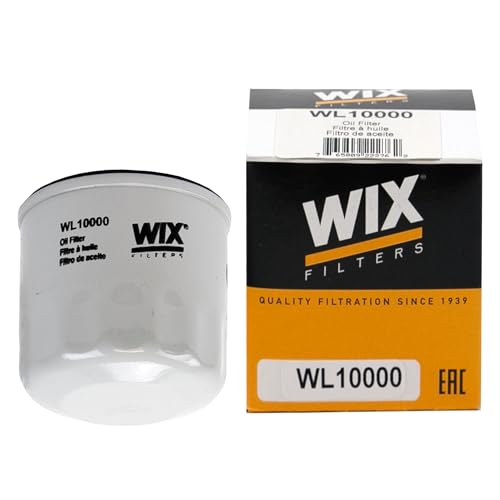
WIX WL10000 Oil Filter Replacement, Built for Synthetic and High Mileage Oil – Compatible With Honda Motorcycles Scooters
IDEAL FOR SYNTHETIC AND HIGH-MILEAGE OILS: Designed to handle the demands of normal to extreme driving conditions like…
As an affiliate, we earn on qualifying purchases.
As an affiliate, we earn on qualifying purchases.
Regular Oil and Filter Changes

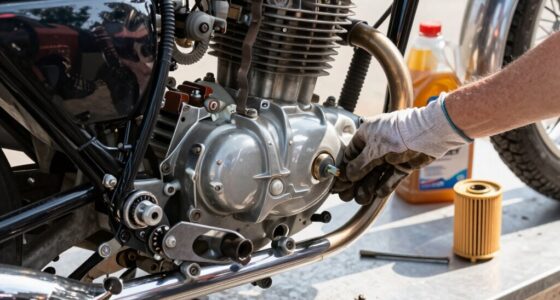
Changing your engine oil and filter regularly is one of the most effective ways to extend your motorcycle’s engine life. Fresh oil lubricates moving parts, reduces friction, and prevents excessive wear. Use high-quality oils like Mobil 1 or Castrol for better protection and longer-lasting performance. Be sure to replace the oil filter with each oil change to trap contaminants and keep the oil clean. Always warm up the engine before draining the oil; this helps dissolve sediment and ensures complete removal. Check your oil levels frequently and top up as needed to prevent low lubrication, which can cause engine damage. Regular oil and filter changes maintain ideal engine efficiency, reduce overheating risks, and considerably prolong your motorcycle’s lifespan.

NIBBI 48mm Motorcycle Air Filter High Performance Air Filter 48mm For Dirt Bike Mini Bike Pit Bike Motocross GY6 ATV SSR TTR AJS
Precision Design – Cone style with 45 degree bend inlet, 360 degree air intake Increases air flow into…
As an affiliate, we earn on qualifying purchases.
As an affiliate, we earn on qualifying purchases.
Maintaining a Clean and Efficient Air Intake

You should regularly inspect your air filters to catch dirt and debris early. Proper cleaning techniques make sure the filter stays effective without damage. Keeping your air intake clean helps your engine run smoothly and extends its lifespan. Additionally, utilizing high-quality filters can improve airflow and filtration efficiency. High-quality filters ensure optimal performance and protection for your engine over time. Using filters that align with European cloud innovation standards can also contribute to better durability and environmental sustainability. Regularly replacing filters with those meeting essential gear recommendations can further enhance your motorcycle’s longevity.
Regular Filter Inspections
Regular filter inspections are essential for maintaining a clean and efficient air intake system. You should check your air filter regularly, especially if you ride in dusty or harsh environments. A dirty filter restricts airflow, reducing engine power and fuel efficiency, and can cause engine wear over time. Remove the filter carefully and inspect it for dirt, debris, or damage. If it looks clogged or clogged, replace it promptly to guarantee proper airflow. Keep in mind, even filters that appear clean can be less effective if they’ve accumulated fine particles. Regular inspections help prevent contaminants from entering the engine, protecting crucial components. Understanding the importance of air quality can help you make informed decisions about filter maintenance. Proper filter care is vital for optimal engine performance and longevity. Staying attentive to air intake system conditions also ensures your motorcycle runs smoothly and efficiently, preventing costly repairs down the line. Additionally, being aware of engine wear caused by neglect can motivate consistent maintenance, ultimately extending your motorcycle’s lifespan. By staying on top of filter conditions, you extend engine lifespan and maintain ideal performance, saving you both time and money in the long run.
Proper Cleaning Techniques
Maintaining a clean air intake system is essential for peak engine performance and longevity. To do this effectively, regularly inspect and clean your air filter. Remove the filter carefully, avoiding dirt falling into the intake. Use compressed air or a mild cleaning solution to remove dust and debris, then let it dry completely before reinstalling. If the filter is damaged or excessively dirty, replace it promptly. Ensure all intake components are free of obstructions and dirt buildup. Proper cleaning keeps airflow unobstructed, improving combustion efficiency and fuel economy. Regular maintenance of air filtration systems is vital for preventing engine damage over time. Additionally, maintaining engine health through proper air intake care can significantly extend the lifespan of your motorcycle’s engine. Here’s a visual guide:
| Step | Action |
|---|---|
| Remove the filter | Carefully take it out without forcing. |
| Clean the filter | Use compressed air or a cleaning solution. |
| Dry the filter | Let it air dry completely. |
| Reinstall | Securely place the filter back in. |
Consistent cleaning maintains ideal airflow and engine health, especially in long-term motorcycle maintenance to prevent performance issues over time.
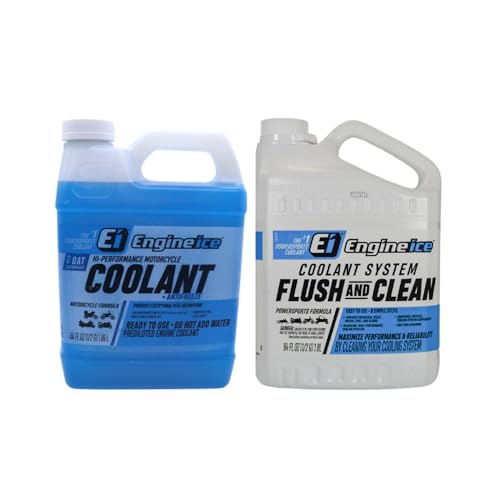
Engine Ice Flush and Clean and Motorcycle Combo Kit, 2 Pack, Purple
Phosphate-Free & Ready-to-Use: Engine Ice Hi-Performance coolant is prediluted and phosphate-free, offering boil-over temperatures up to 256°F and…
As an affiliate, we earn on qualifying purchases.
As an affiliate, we earn on qualifying purchases.
Proper Chain Care and Tension Adjustment
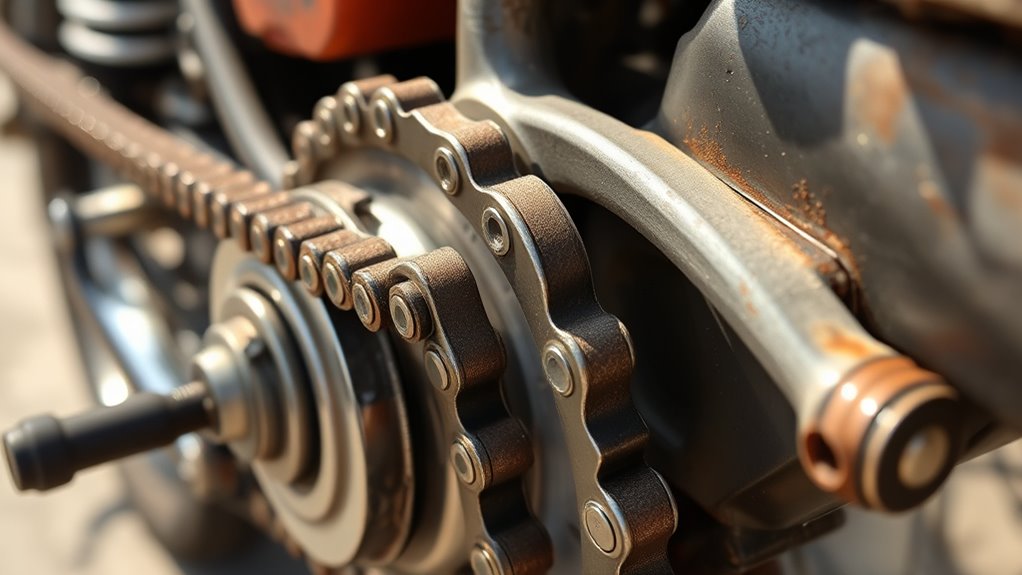
Proper chain care and tension adjustment are essential for ensuring smooth, safe motorcycle operation and extending the drivetrain’s lifespan. You should regularly clean your chain with the appropriate cleaner to remove dirt, grime, and debris that cause premature wear. After cleaning, lubricate the chain thoroughly, but avoid over-lubricating, as excess lube can attract more dirt. Check the chain tension according to your motorcycle’s specifications; a loose chain can slip or derail, while an overly tight chain puts stress on sprockets and bearings. Adjust the tension using the rear wheel axle or tensioners, ensuring it’s neither too tight nor too loose. Regular inspection and maintenance keep your chain in ideal condition, improving safety, performance, and prolonging the life of your drivetrain components. Maintaining proper chain tension is vital for preventing unnecessary wear and ensuring optimal performance. Additionally, consulting your motorcycle’s owner manual can help you follow the manufacturer’s recommended maintenance routines accurately.

BPA-RACING Motorcycle Chain Slack Adjuster Tool – Innovative Chain Tensioner Tool for Easy, Quick & Precise Chain Slack Adjustment- Chain Alignment Tool (Red)
THE SOLUTION FOR PERFECTLY ADJUSTED CHAIN 24/7 [PATENT PENDING]: Once this dynamic comparator is calibrated for your motorcycle,…
As an affiliate, we earn on qualifying purchases.
As an affiliate, we earn on qualifying purchases.
Cooling System Maintenance for Overheating Prevention

Overheating can considerably damage your engine if not properly managed, so keeping the cooling system in good condition is crucial. Regularly flush and replace the coolant to prevent corrosion and overheating. Inspect hoses and connections for leaks, cracks, or wear, replacing damaged parts immediately. Ensure the radiator is clean and free of debris to maximize airflow and cooling efficiency. Check that the thermostat functions correctly to regulate engine temperature effectively. After riding, let the engine cool down before shutting off to avoid thermal shock that can cause damage. Following manufacturer guidelines for coolant type and service intervals to maintain ideal cooling performance is essential. Staying proactive with cooling system maintenance helps prevent overheating, extends engine life, and keeps your motorcycle running smoothly. Additionally, utilizing proper ventilation around the radiator can improve airflow and cooling effectiveness during operation. Regular coolant system checks can also help identify potential issues before they lead to overheating. Remember that coolant quality directly impacts the cooling efficiency and longevity of your engine components. To further protect your engine, consider inspecting and maintaining the fan and cooling fins, especially if your motorcycle operates in dusty or muddy environments. Moreover, adopting a routine visual inspection can help catch minor issues early before they escalate into major problems.
Spark Plug Inspection and Ignition System Upkeep

Regularly inspecting your spark plugs and ignition system is essential for guaranteeing smooth engine operation. Check spark plugs for fouling, wear, or cracks—these issues can cause misfires or poor fuel efficiency. Replace worn or damaged plugs with high-quality options from trusted brands like NGK or Denso to maintain reliable ignition. Clean the spark plug electrodes carefully to remove carbon buildup, and ensure the spark gap matches manufacturer specifications. Also, inspect ignition wires and coils for cracks, corrosion, or loose connections that can weaken spark delivery. A strong, consistent spark is crucial for prime combustion. Proper connected wiring techniques and automation can help monitor and optimize ignition timing for better performance. Additionally, understanding free floating principles in ignition systems can aid in diagnosing issues more effectively. Regular maintenance here saves you from costly repairs down the line, especially in regions like the South where diverse climates can impact engine components. Additionally, staying aware of ignition system health can prevent unexpected breakdowns and keep your motorcycle running smoothly over the years.
Smart Storage and Riding Practices

Proper storage and responsible riding habits are key to prolonging your engine’s life. Storing your motorcycle in a dry, clean space and using fuel stabilizers prevents corrosion and fuel issues. By riding appropriately and avoiding excessive wear, you help keep your engine running smoothly for years to come. Incorporating connected equipment like smart sensors can also help monitor engine health and alert you to potential issues before they become serious. Utilizing heat distribution techniques during storage, such as allowing the motorcycle to cool properly after riding, can further reduce wear on engine components. Additionally, regular maintenance routines aligned with engine chemistry principles can significantly extend the lifespan of your motorcycle.
Proper Storage Techniques
Storing your motorcycle correctly is essential to prevent damage and guarantee it stays in good condition for years to come. Keep it in a dry, sheltered space, ideally indoors, to avoid exposure to moisture, which causes rust and corrosion. Use a motorcycle cover that’s breathable to protect against dust and debris while preventing condensation buildup. Elevate the bike on a stand to prevent tire flat spots and reduce stress on suspension components. Disconnect the battery or connect a trickle charger to avoid battery drain. Add fuel stabilizer to prevent fuel degradation and clogging fuel lines. Make certain the motorcycle is clean before storage to remove dirt and grime that can cause corrosion. Regularly check on it, even during long storage periods, to catch potential issues early.
Responsible Riding Habits
Adopting responsible riding habits begins with understanding how your riding and storage choices impact your motorcycle’s longevity. Your riding style and habits directly influence engine wear and overall durability. To extend your motorcycle’s life, follow these practices:
- Avoid aggressive acceleration and hard braking, which strain engine components.
- Warm up the engine properly before riding at high speeds to ensure oil circulation.
- Ride at moderate speeds and vary your riding to prevent excessive stress on parts.
- Perform regular inspections before and after rides to catch issues early and address them promptly.
Monitoring and Addressing Wear and Tear Over Time
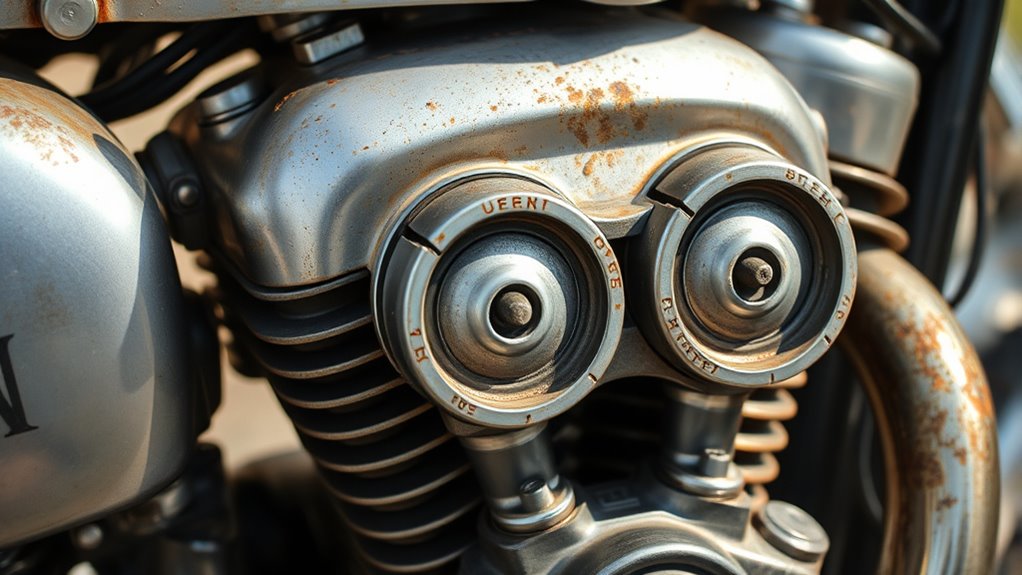
Monitoring and addressing wear and tear over time is essential to keep your motorcycle running smoothly and extend its lifespan. Regularly inspect critical components like the chain, sprockets, brake pads, and tires for signs of damage or excessive wear. Pay attention to unusual noises, vibrations, or loss of performance, which can indicate underlying issues. Keep an eye on fluid levels, including oil, coolant, and brake fluid, topping up or replacing as necessary. Use a flashlight to check for leaks or corrosion in engine and electrical parts. Address problems promptly—don’t wait until they worsen—by replacing worn parts or seeking professional help. Consistent attention allows you to catch potential failures early, preventing costly repairs and ensuring your motorcycle remains reliable over the years.
Frequently Asked Questions
How Often Should I Perform a Comprehensive Engine Health Check?
You should perform a thorough engine health check every 3,000 to 5,000 miles or at least once a year, whichever comes first. Regularly inspect key components like spark plugs, oil levels, filters, and cooling system. Pay attention to unusual noises, vibrations, or performance drops. Doing these checks consistently helps catch issues early, keeps your motorcycle running smoothly, and extends its engine life over time.
What Are Signs of Internal Engine Wear I Should Watch For?
You should watch for signs like unusual knocking noises, loss of power, excessive smoke, or engine overheating. If you notice oil leaks, poor compression, or difficulty starting, these could also indicate internal wear. Pay attention to irregular engine performance and vibrations during rides. Address these issues promptly by inspecting your engine, changing worn components, or consulting a mechanic to prevent further damage and keep your motorcycle running smoothly.
How Can I Improve Fuel Efficiency During Long-Term Storage?
Think of your motorcycle as a sleeping giant; to keep it efficient during storage, use a fuel stabilizer to prevent deposits and fuel degradation. Fill the tank to avoid moisture buildup and disconnect the battery or use a trickle charger to prevent draining. Cover it with a breathable cover, and start it occasionally to circulate fluids. These steps help preserve fuel efficiency and keep your old motorcycle ready to roar when needed.
What Maintenance Steps Prevent Corrosion in Older Motorcycles?
To prevent corrosion in your older motorcycle, regularly clean and dry all metal surfaces, especially after riding in wet conditions. Apply a protective coating or wax to exposed parts, and use corrosion inhibitors on vulnerable areas like the chain and fasteners. Store the motorcycle in a dry, covered space, and consider using a motorcycle cover. Check for early signs of rust and address them promptly to keep your bike in top shape.
When Is It Time to Rebuild or Replace Major Engine Components?
You should consider rebuilding or replacing major engine components after about 30,000 to 50,000 miles, depending on maintenance. If you notice persistent knocking, smoke, loss of power, or oil consumption beyond normal levels, it’s time to act. Regular inspections and listening for unusual sounds can help catch issues early. Addressing these signs promptly guarantees your vintage motorcycle remains reliable and extends its lifespan.
Conclusion
By following these tips, you’ll keep your old motorcycle humming like a well-tuned orchestra, extending its life and keeping the thrill alive. Regular maintenance acts as the heartbeat that sustains its spirit, while smart riding and storage habits prevent minor issues from becoming major breakdowns. Think of your motorcycle as a treasured companion—nurture it with care, and it’ll reward you with countless more miles of adventure on the open road.