To keep your kickstart-only bike reliable, regularly maintain the battery by keeping terminals clean, checking voltage, and charging or disconnecting it during long storage. Inspect electrical connections, cables, and spark plugs for wear or corrosion to prevent starting issues. Lubricate and keep the kickstart components free from dirt or rust for smooth operation. Ensuring these elements are in top shape helps your bike start effortlessly every time—continue exploring tips to keep your bike running perfectly.
Key Takeaways
- Regularly check and maintain the battery, ensuring terminals are clean and voltage stays around 12.6V.
- Keep electrical connections dry, corrosion-free, and inspect wiring for damage to ensure reliable power delivery.
- Lubricate and keep kickstart components clean for smooth operation and to prevent sticking or failure.
- Inspect and replace spark plugs as needed to ensure strong ignition and consistent starting performance.
- Disconnect or use a trickle charger during storage to prevent battery discharge and maintain reliable starting readiness.

Ever wonder how to keep your kickstart-only bike running smoothly? Even without an electric start, your bike relies heavily on a well-maintained starter system and proper battery care to ensure reliable performance. While it might seem straightforward, neglecting these components can lead to frustrating starting issues, especially when you need your bike the most. The key is regular maintenance and understanding how each part contributes to your bike’s reliability.
First, focusing on battery maintenance is essential, even if your bike doesn’t depend on a traditional battery to start. Many kickstart bikes still have small batteries that power lights or other electrical components. If yours does, keep the battery clean and dry, making sure the terminals are free of corrosion. Check the voltage periodically; a healthy battery should read around 12.6 volts when fully charged. If it drops below that, consider charging it with a compatible battery charger. Avoid letting the battery sit unused for extended periods, as this can cause it to discharge and lose capacity. If your bike is stored for long stretches, disconnect the battery or use a trickle charger to maintain its charge. Proper battery maintenance not only prolongs its life but also ensures that your electrical system functions smoothly, preventing starting hiccups. Additionally, ensuring the starter system components are clean and functioning correctly can significantly improve your bike’s reliability, especially in cold or damp conditions.
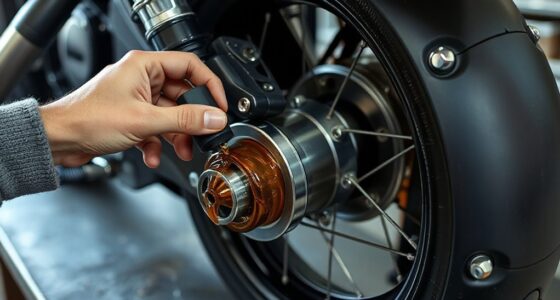
Regarding the starter system, even in a kick-only bike, ensuring its proper operation is critical. The starter system usually includes components like the kickstart lever, clutch, and related linkages. Regularly inspect these parts for wear or damage. Lubricate the kickstart lever pivot points to prevent stiffness, making sure the lever moves freely and engages smoothly. Check the clutch cable and adjust it if necessary, as a poorly adjusted clutch can hinder the engine’s ability to start reliably. If you notice resistance or difficulty engaging the kickstarter, don’t ignore it—address it immediately. Sometimes, accumulated dirt, rust, or lack of lubrication can cause the system to stick or slip. Keeping these components clean and well-lubricated ensures that when you need to kickstart your bike, the process is smooth and effortless, reducing the risk of missed starts or damage to parts.
In addition, always keep your spark plug in good condition. A clean, properly gapped spark plug ensures reliable ignitions, which complements your efforts in maintaining the starter system and battery. Regularly check for corrosion or carbon buildup, and replace it if necessary. This simple step can dramatically improve your bike’s starting reliability.

NOCO GENIUS1: 1A 6V/12V Smart Battery Charger – Automatic Maintainer, Trickle Charger & Desulfator with Overcharge Protection & Temperature Compensation – for Lead-Acid & Lithium Batteries
MEET THE GENIUS1 — Similar to our G750, just better. It's 35% smaller and delivers over 35% more…
As an affiliate, we earn on qualifying purchases.
As an affiliate, we earn on qualifying purchases.
Frequently Asked Questions
How Often Should I Perform Maintenance on a Kickstart-Only Bike?
You should perform maintenance on your kickstart-only bike every 300 to 500 miles or at least once a month, whichever comes first. Regularly check and change the oil to keep the engine running smoothly. Additionally, inspect the chain and adjust it if needed to prevent wear and ensure safe riding. Consistent maintenance keeps your bike reliable, starts easily, and prolongs its lifespan.
What’s the Best Way to Store a Kickstart Bike During Winter?
For winter storage, you should clean your kickstart bike thoroughly and store it in a dry, sheltered place. To prevent battery issues, remove the battery and keep it in a cool, charged environment, checking it periodically. Cover the bike with a breathable cover to protect it from dust and moisture. Also, consider adding a fuel stabilizer to keep the fuel fresh and prevent gumming during storage.
Can I Upgrade My Kickstart Bike’s Battery for Better Reliability?
Yes, you can upgrade your kickstart bike’s battery for better reliability enhancement. Opt for a high-quality, modern lithium-ion battery that offers increased cranking power and lighter weight. Guarantee the new battery fits your bike’s specifications and has reliable connections. This upgrade can improve starting performance, especially in colder weather, and reduce the chances of battery failure. Regular maintenance and proper storage also help keep your bike reliable year-round.
What Common Issues Cause Difficulty in Kickstarting?
You might find it hard to kickstart your bike due to spark plug issues or carburetor clogging. A worn or dirty spark plug prevents proper ignition, while a clogged carburetor restricts fuel flow, making it tough to start. Regularly inspect and replace your spark plug, and clean or service the carburetor to keep your bike starting smoothly. Addressing these common issues helps guarantee reliable kickstarting every time.
Are There Specific Fuel Types Recommended for Kickstart-Only Bikes?
You should use the fuel type recommended by your bike’s manufacturer to guarantee proper fuel compatibility. Typically, this means using unleaded gasoline with the correct octane rating. To keep your kickstart-only bike running smoothly, consider adding fuel additives that prevent fuel degradation and improve combustion. Avoid ethanol-blended fuels if possible, as they can cause issues with older carbureted engines. Always store fuel properly and use fresh fuel for reliable starts.

QYMOTO 2pcs Spark Plug for Coleman KT196 Go Kart and CT200U Mini Bike BT200X Axis MB200 CT200U-EX 6.5HP 196cc 79cc 98cc 200cc Predator 212cc Spark Plug
Widely Fit: Coleman CT200U CT200U-EX BT200X Axis M200 Mini Bike; KT196 Go Kart BK200 CK196; Baja Mini Bike,…
As an affiliate, we earn on qualifying purchases.
As an affiliate, we earn on qualifying purchases.
Conclusion
So there you have it—your trusty kickstart-only bike’s secret recipe for eternal youth. Just remember, a little love, a splash of patience, and maybe a dash of luck are all you need. Keep those batteries charged like a caffeine addict, and don’t forget to give that kickstarter a workout—think of it as a weekly fitness routine. After all, what’s life without a little extra effort and a good laugh at your own stubbornness? Ride on, brave soul!
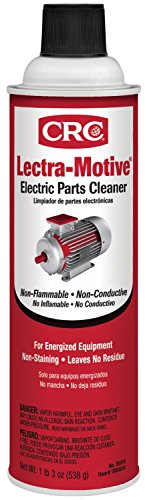
CRC 05018 Lectra-Motive Electric Parts Cleaner – 19 Wt Oz.
non-flammable formula
As an affiliate, we earn on qualifying purchases.
As an affiliate, we earn on qualifying purchases.

Start Gear Kick Start Gear Shaft Pedal Kit Replacement for GY6 49cc 50cc 139QMB Engine Moped ATV Scooters Roketa Taotao Jonway
Made from high-quality CNC aluminum alloy, strong and sturdy
As an affiliate, we earn on qualifying purchases.
As an affiliate, we earn on qualifying purchases.