When deciding whether to rebuild or replace your master cylinders and calipers, consider their condition and safety. If the parts show minor issues like leaks or corrosion, rebuilding can save money and restore function. However, if they’re severely damaged, corroded, or worn out, replacing them guarantees reliability and safety. Pay attention to warranties and long-term costs. For a complete guide on making the best choice, continue exploring the key factors involved.
Key Takeaways
- Rebuild for minor issues like leaks or sticking when components are in good condition; replace for severe corrosion or damage.
- Consider rebuilding if cost savings and DIY feasibility outweigh the need for guaranteed long-term reliability.
- Opt for replacement when safety, performance, or component availability is a concern, especially for critical brake parts.
- Rebuilding is suitable for older or less critical parts with manageable wear, while new parts are better for long-term peace of mind.
- Assess component condition, safety implications, and budget to determine whether rebuilding or replacing is the best option.
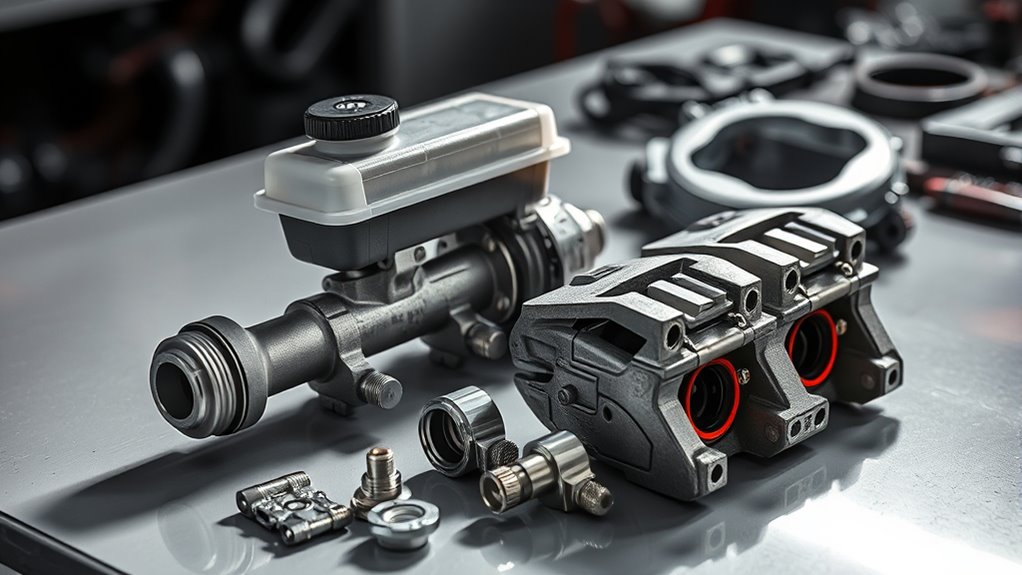
When your vehicle needs repairs, deciding whether to rebuild or replace a faulty auto part can be challenging. This choice often comes into play with essential components like master cylinders, calipers, and other parts of your brake system. Proper brake system maintenance is critical for safety and performance, but understanding whether a repair or a full replacement makes more sense can save you money and hassle. One of the main factors to consider is auto repair costs. Rebuilding parts typically costs less upfront, since you’re only restoring existing components, but it may not always guarantee long-term reliability. Conversely, replacement parts tend to be more expensive initially but often come with warranties and a higher level of assurance that the part will function properly for a longer period.
Rebuilding brake parts is cheaper upfront but may lack long-term reliability compared to replacing with new or remanufactured components.
When contemplating whether to rebuild or replace a master cylinder or calipers, you should assess the condition of the components. If the part shows signs of severe corrosion, extensive wear, or damage that affects its core functions, replacement is usually the smarter choice. Rebuilding can be effective when the part is still in decent shape but has minor issues such as sticking, leaks, or minor corrosion. In these cases, rebuilding involves cleaning, replacing seals, and refurbishing the part, which can restore its performance at a lower cost. However, if you’re unsure how long a rebuilt part will last, especially in critical brake system maintenance, replacing it might provide peace of mind and safety. Additionally, advances in auto part technology mean that new components often incorporate improved materials and design features that enhance durability and safety.
Another consideration is the availability of parts and expertise. Some components, like calipers, are easier to rebuild if you have the right tools and knowledge. But if the part is obsolete or hard to find, replacing it with a new or remanufactured part might be more practical. You should also factor in the labor costs involved. Rebuilding might be quicker and cheaper if you’re doing it yourself, but professional rebuilding services can add to the cost. Similarly, replacing parts may involve more labor, especially if it requires bleeding the brake system or other complex procedures.
Ultimately, your decision hinges on balancing auto repair costs, safety, and reliability. Rebuilding can be a cost-effective solution for minor issues and older components, but replacing parts ensures you’re investing in long-term performance and peace of mind. Regular brake system maintenance and inspections help you catch issues early, making it easier to decide whether a rebuild suffices or a replacement is necessary for your safety and driving confidence.

CV Carburetor Rebuild Kit for Harley Davidson CV40 27421-99C 27490-04 XL883 40mm Carb Repair Kit 27421-99A Rebuild Kit,CV40 Rebuild Kit, CV Carb Jet Kit by BOOTOP PIN
CV Carburetor Rebuild Kit,CV Carb Repair Kit for Harley Davidson CV40 CV 40mm XL883 XL1200 carb engine. CV...
As an affiliate, we earn on qualifying purchases.
Frequently Asked Questions
How Do I Know if My Master Cylinder Needs Rebuilding?
You’ll know your master cylinder needs rebuilding if your brake fluid is contaminated or leaks appear around the cylinder. Notice if your brake pedal feels spongy or soft, or if it loses firmness over time. These signs indicate internal issues. Rebuilding the master cylinder restores proper pressure and pedal firmness, preventing brake failure. If problems persist after a rebuild, consider replacing it to ensure safe and reliable braking performance.
What Are the Signs of Caliper Failure?
Your brake system shows caliper failure signs like uneven brake fluid levels and pad wear, which act as red flags. If you notice your brake pedal feels spongy or your vehicle pulls to one side, it’s time to check for sticking calipers or leaks. These issues can cause uneven pad wear and reduce braking efficiency, so don’t ignore them—addressing caliper failure now keeps your brakes responsive and safe.
Can I Rebuild Brake Parts Myself Safely?
You can rebuild brake parts yourself, but only if you’re confident and have the right tools. Make sure to carefully inspect for piston corrosion and check the brake fluid condition. Rebuilding involves cleaning, replacing seals, and reassembling components, which can be safe if done correctly. Otherwise, if you’re unsure about handling brake fluid or piston corrosion, it’s best to seek professional help to ensure your safety and proper brake function.
How Long Does a Rebuilt Caliper Typically Last?
A rebuilt caliper can typically last between 50,000 to 100,000 miles, depending on care and conditions. You might notice that brake fluid keeps the system smooth, but if neglected, piston corrosion can cause problems. Regularly inspecting and maintaining your brake fluid helps extend the lifespan of your rebuilt caliper, ensuring safe stopping power. Proper upkeep keeps your caliper performing perfectly, providing peace of mind with each press of the pedal.
Are Rebuilt Parts Covered by Warranty?
Rebuilt parts often come with warranty coverage, but it varies depending on the shop or manufacturer. Typically, a rebuild offers limited warranty, covering defects or failures within a specific period. When deciding between rebuild vs replace, consider warranty coverage, as a full replacement usually provides a longer or more extensive warranty. Always ask your mechanic or supplier about warranty details before proceeding to ensure you’re protected if issues arise.
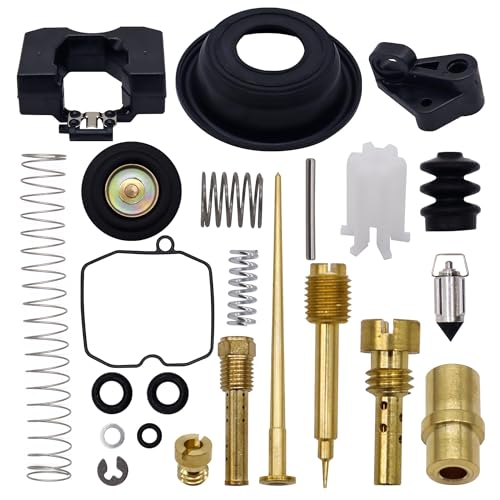
OXCANO 27421-99C Carburetor Rebuild Carb Repair Kit Compatible with Harley Davidson Dyna Sportster 40mm XL883 XLH1200, Keihin HD CV40, 883 Roadster XL, HD Super Glide FXR, HD Softail Deluxe FLSTN
[Fitment]-Compatible with Harley Davidson Sportster 40mm XL883 XLH1200,Keihin HD CV40 Carburetor,CV Carburetor,1200 Custom XLC,1200 Low XL,1200 Roadster XLR,1200...
As an affiliate, we earn on qualifying purchases.
Conclusion
Knowing when to rebuild or replace parts like master cylinders and calipers can save you money and make certain of safety. Did you know that over 25% of vehicle accidents are caused by brake system failures? By understanding the signs and options, you make smarter choices that protect you and your loved ones. Don’t wait until a small issue becomes a costly repair—stay proactive and keep your vehicle in top shape.

POLICE 1000 KZ1000 1991-2003 Carburetor Rpair Kit Float parts KZ1000-P (repair kit)
Different pictures contain different accessories, please make sure to look carefully before taking a picture, thank you.
As an affiliate, we earn on qualifying purchases.

4x Carburetor Carb Rebuild repair Kit Fit for 81-83 KZ1000 LTD J ELR CSR
This item is made with High quality materials. All made in Taiwan.
As an affiliate, we earn on qualifying purchases.