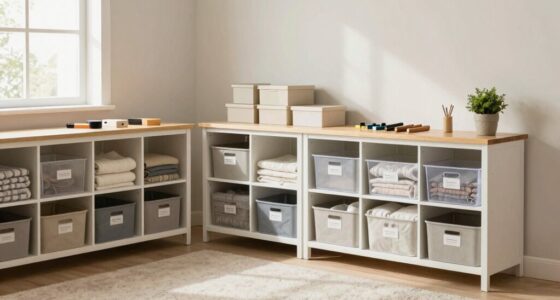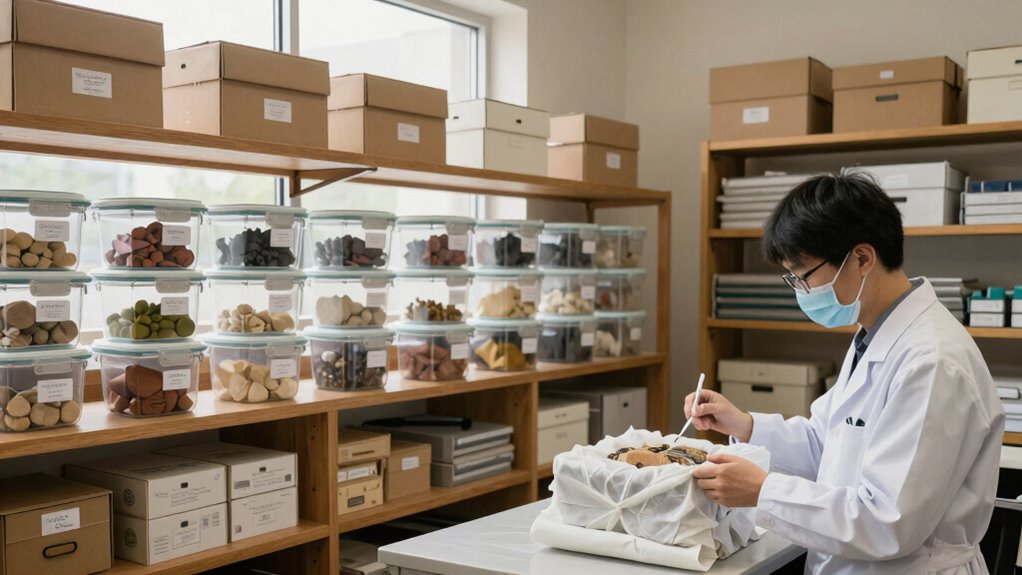

Proper storage prep helps protect your belongings from temperature fluctuations, humidity, and pests that cause damage over time. By organizing your space and sealing entry points, you prevent issues before they start. Maintaining ideal conditions reduces the chance of warping, mold, or pest infestations, which can be expensive to repair or replace. Taking these steps now saves you money in the long run. Keep going to learn how these strategies can make a real difference.

Get business pricing on garage and car supplies
- Business-only prices and quantity discounts
- Tax-exempt purchasing
- Multiple users, one account, clear invoices
Key Takeaways
- Proper storage prep prevents damage from temperature fluctuations and humidity, reducing costly restoration needs.
- Organized storage makes it easier to identify issues early, avoiding extensive repairs.
- Sealing entry points and maintaining cleanliness minimize pest infestations that could require expensive extermination.
- Maintaining optimal conditions extends the lifespan of stored items, decreasing replacement and restoration costs.
- Proactive pest prevention and climate control lower the risk of damage, saving money on future restoration efforts.
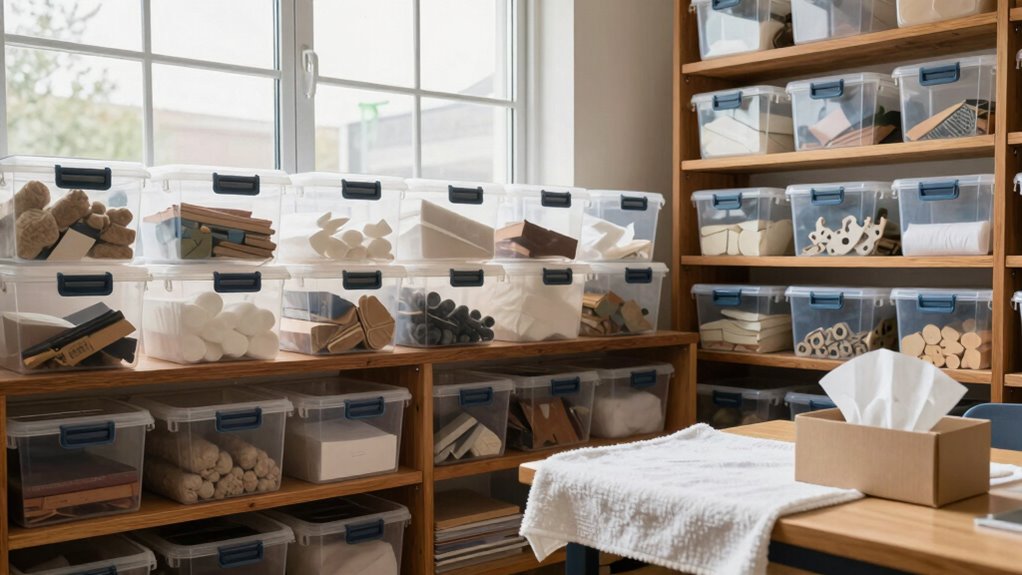
Are you ready to guarantee your belongings stay safe and organized? Proper storage prep is the key to protecting your items and saving you money in the long run. When you take the time to prepare your storage space correctly, you’re not just keeping things neat—you’re actively preventing damage that can be costly to repair or replace. The foundation of good storage begins with understanding the importance of climate control. Fluctuating temperatures and humidity levels can cause materials to warp, mold, or decay over time. If your storage area isn’t properly climate-controlled, you risk exposing your belongings to conditions that accelerate deterioration. Investing in a space with consistent temperature and humidity levels helps preserve the integrity of your items, reducing the need for expensive restoration later. Additionally, understanding media insights can help you choose the best storage solutions for different types of items. Proper storage organization can also make it easier to identify potential issues early on, saving you trouble and money down the line. Implementing appropriate climate control measures is essential for maintaining optimal conditions and preventing long-term damage. Next, pest prevention plays an essential role in proper storage prep. Small pests like insects and rodents can quickly turn a well-organized space into a nightmare. They’re notorious for chewing through fabric, paper, and even wood, which can damage your belongings beyond repair. To prevent this, you should seal all entry points, keep your storage area clean, and consider using pest deterrents or traps. A proactive approach minimizes the risk of infestations, which often require costly exterminations and repairs. Recognizing damage signs early can help prevent extensive repairs and keep your storage costs down. Implementing proper pest deterrents can further reduce the risk of infestations before they become a costly problem. When pests invade, they don’t just threaten your possessions—they can also lead to health issues, making prevention even more vital.
climate controlled storage containers
As an affiliate, we earn on qualifying purchases.
As an affiliate, we earn on qualifying purchases.
Frequently Asked Questions
How Long Can Items Stay in Storage Without Damage?
You can typically keep items in storage for several months if you maintain climate control and pest prevention. Climate-controlled units prevent temperature and humidity fluctuations that cause damage, while pest prevention keeps insects and rodents away. Regularly check your storage, especially after a few months, to guarantee your belongings remain in good condition. Proper prep and monitoring allow you to store items safely for extended periods without risking damage.
What Temperature Is Ideal for Storing Delicate Items?
You should store delicate items at a steady 65-70°F, where temperature control minimizes damage. Juxtapose this calm environment with fluctuating outside conditions that can cause warping or deterioration. Maintaining consistent humidity levels, ideally around 45-55%, prevents mold or cracking. By controlling temperature and humidity, you protect fragile possessions from harm, ultimately saving money during restoration and preserving their value for years to come.
How Do I Prevent Mold in Storage Areas?
To prevent mold in storage areas, you should control humidity levels and prevent pests. Keep humidity below 60% using dehumidifiers or climate control to inhibit mold growth. Regularly inspect for pests and seal entry points to prevent infestations. Proper ventilation also helps reduce moisture buildup. By maintaining low humidity and pest prevention, you protect your items and avoid costly mold damage, saving you time and money in the long run.
Can Improper Packaging Cause Future Restoration Issues?
Imagine a fragile glass shattering—improper packaging can cause similar damage over time. When you choose the wrong packaging techniques or materials, you risk future restoration issues. Poor material selection or inadequate sealing can trap moisture, leading to mold or deterioration. By using proper packaging techniques and quality materials, you protect your valuables now and save yourself costly repairs later. It’s a small investment that shields your items from long-term harm.
What Are the Signs of Storage Damage Before Restoration?
You’ll notice storage damage through signs like mold or mildew on the storage container, indicating excess moisture. Look for warping, cracking, or discoloration on stored items, which point to moisture issues. Poor moisture control can cause these problems, leading to further restoration costs. Recognizing these signs early helps you address moisture problems promptly, preventing extensive damage and saving money in the long run.
pest prevention storage solutions
As an affiliate, we earn on qualifying purchases.
As an affiliate, we earn on qualifying purchases.
Conclusion
Think of your treasured items as a delicate garden. When you prepare the soil properly—cleaning, drying, and protecting—you give your plants the best chance to thrive. Skipping these steps is like planting seeds in rocky dirt; it’s a recipe for trouble and costly repairs later. By investing a little time now, you’re nurturing a lush, healthy garden that blooms beautifully, saving you money and stress in the long run. Proper prep truly makes all the difference.
sealable storage bins for long-term storage
As an affiliate, we earn on qualifying purchases.
As an affiliate, we earn on qualifying purchases.
As an affiliate, we earn on qualifying purchases.
Evergreen bestsellers Picks
bestsellers
As an affiliate, we earn on qualifying purchases.