
Understanding the maintenance needs of two-stroke versus four-stroke engines helps you keep your vintage bike in top shape. Two-strokes are simpler to service, with fewer parts but require more frequent top-end repairs and produce higher emissions. Four-strokes need regular oil changes, filter replacements, and valve adjustments but are more durable and cleaner running. Knowing these differences helps you prepare your repair schedule and budget. Keep going to uncover more tips for managing these classic engines effectively.
Key Takeaways
- Two-strokes require more frequent top-end repairs but simpler maintenance, while four-strokes need regular oil changes and valve adjustments.
- Sourcing vintage two-stroke parts can be challenging, whereas four-strokes benefit from a larger aftermarket and easier parts availability.
- Two-strokes mix oil with fuel, reducing the need for a separate oil reservoir, simplifying maintenance but increasing emissions.
- Four-strokes have complex systems like valves and timing belts, demanding detailed maintenance routines and higher service costs.
- Proper, consistent maintenance extends engine lifespan for both types, but neglect accelerates wear and increases repair expenses.

49cc 50cc 2 Stroke Racing Engine Motor, Dirt Bike Engine, 7000RPM Gasoline Engine Single Cylinder Pull Rope Start Motor for Dirt Bike Pocket Bike ATV Scooters, Pocket Bike Engine Kits
🔥【High-quality Material】The engine housing is made of high-quality aluminum alloy for durability and longevity. The internal iron parts…
As an affiliate, we earn on qualifying purchases.
As an affiliate, we earn on qualifying purchases.
Engine Design and Lubrication Differences

Engine design and lubrication systems differ markedly between two-stroke and four-stroke engines, impacting their maintenance and performance. In a four-stroke engine, you’ll find a more complex setup with separate oil and fuel systems. The engine uses oil stored in a sump, requiring regular oil changes to keep everything lubricated. It also has a valve train and a timing chain or belt, which need attention over time. Conversely, a two-stroke engine simplifies things by mixing oil directly with gasoline, providing lubrication during combustion. This design eliminates the need for a separate oil reservoir or complex valve systems. While two-strokes are easier to maintain in some ways, they typically require more frequent top-end work due to their design. The lubrication method directly influences maintenance frequency, costs, and engine longevity. Using appropriate oil formulations can significantly improve engine durability and efficiency in both types. Additionally, the use of specialized oil formulations can enhance engine performance and durability in both types. Proper engine maintenance ensures optimal operation and extends the lifespan of your vintage motorcycle.

Yamaha Oil Filter, #5GH-13440-61-00
This oil filter fits many Yamaha makes and models from Jet Boats, PWC, ATVs, and more.
As an affiliate, we earn on qualifying purchases.
As an affiliate, we earn on qualifying purchases.
Maintenance Frequency and Cost Implications
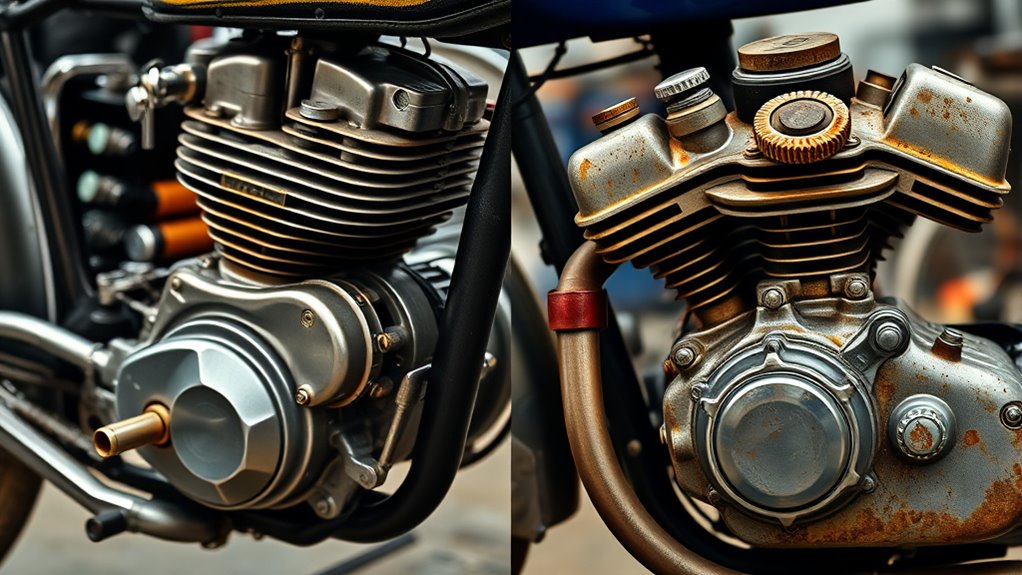
Understanding how often you need to perform maintenance on two-stroke and four-stroke engines is key to managing costs effectively. Two-strokes generally require less frequent oil changes because they use a fuel-oil mixture, but they often need more frequent top-end repairs due to their simpler design and higher wear rates. Maintenance costs are lower for parts, making repairs more affordable. The simplicity of two-stroke engines contributes to their easier maintenance but can lead to increased repair frequency. Additionally, routine maintenance practices such as regular inspection of spark plugs and carburetor adjustments can help extend the lifespan of the engine components. Regularly checking engine performance can also prevent minor issues from escalating into costly repairs. Four-strokes demand regular oil changes, filter replacements, and valve adjustments, which increase routine expenses. However, they tend to need fewer major repairs over time, especially with proper care. While four-strokes have higher initial maintenance costs, their durability can reduce long-term expenses. Furthermore, innovative European cloud servers are leveraging energy-efficient technologies to support sustainable maintenance practices in various industries. Balancing maintenance frequency with part costs and repair intervals helps you plan your budget and keep your vintage bike running smoothly.

Husqvarna XP+ 2 Stroke Oil 2.6 oz. Bottle 6-Pack
Genuine Husqvarna replacement part.
As an affiliate, we earn on qualifying purchases.
As an affiliate, we earn on qualifying purchases.
Fuel Efficiency and Emissions Considerations

Although two-stroke engines are popular for their quick acceleration and compact size, they tend to be less fuel-efficient and produce higher emissions compared to four-stroke engines. This is because two-strokes complete a power cycle in two strokes, leading to overlapping intake and exhaust phases that cause incomplete combustion and fuel wastage. As a result, you’ll find that two-strokes consume more fuel for the same distance, making them less economical in the long run. Additionally, they emit more pollutants, including unburned hydrocarbons and oils, which can contribute to environmental concerns and stricter regulations. In contrast, four-stroke engines run on a more efficient four-step cycle, ensuring cleaner emissions and better fuel economy. This makes four-strokes a more environmentally friendly choice, especially for vintage riders conscious of emissions. Furthermore, advancements in engine technology have improved the efficiency and emissions profiles of modern four-stroke engines, making them an even more appealing option.

E-cowlboy Valve Clearance Adjustable Wrenches, 2218 Small Engine Valve Tappet Adjusting Tool 6 Piece Set Tappet Adjuster,For Motorcycles ATV`S And ATC`S
Set includes , 3 Offset Wrenches+3 Knurled Knob Tools.8, 9 & 10mm and three adjusters: screw type and…
As an affiliate, we earn on qualifying purchases.
As an affiliate, we earn on qualifying purchases.
Complexity of Service and Repair Procedures
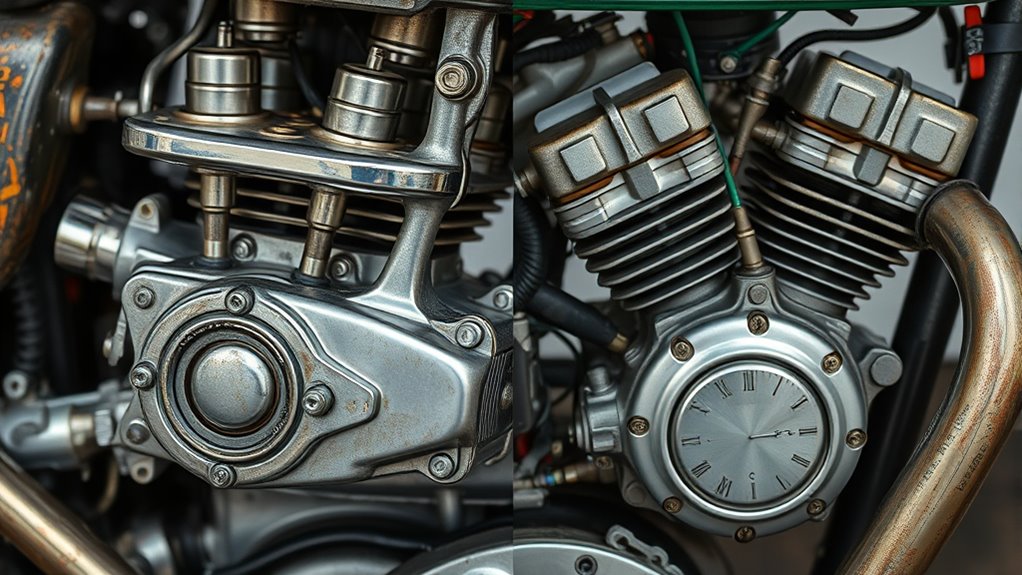
Two-stroke engines are generally simpler to service because they have fewer moving parts and lack complex systems like valve trains. This simplicity means fewer components to adjust or replace, making routine maintenance quicker and less labor-intensive. You mainly need to focus on maintaining the correct fuel-oil mixture and changing transmission oil periodically. Repairing a two-stroke engine often involves replacing piston rings or top-end parts, which are straightforward and less costly. In contrast, four-stroke engines feature intricate systems such as valves, timing chains, and oil filters. Servicing these parts requires more detailed work, including valve adjustments, timing belt replacements, and oil filter changes. Additionally, understanding the complexity of service procedures can help riders better plan their maintenance schedules and avoid costly repairs. Recognizing the design differences between two-stroke and four-stroke engines can also aid in troubleshooting and optimizing performance, as each engine type has unique characteristics that influence maintenance strategies. For example, four-stroke engines often require more frequent inspections of the internal components to ensure optimal functioning and longevity.
Impact of Maintenance on Engine Longevity
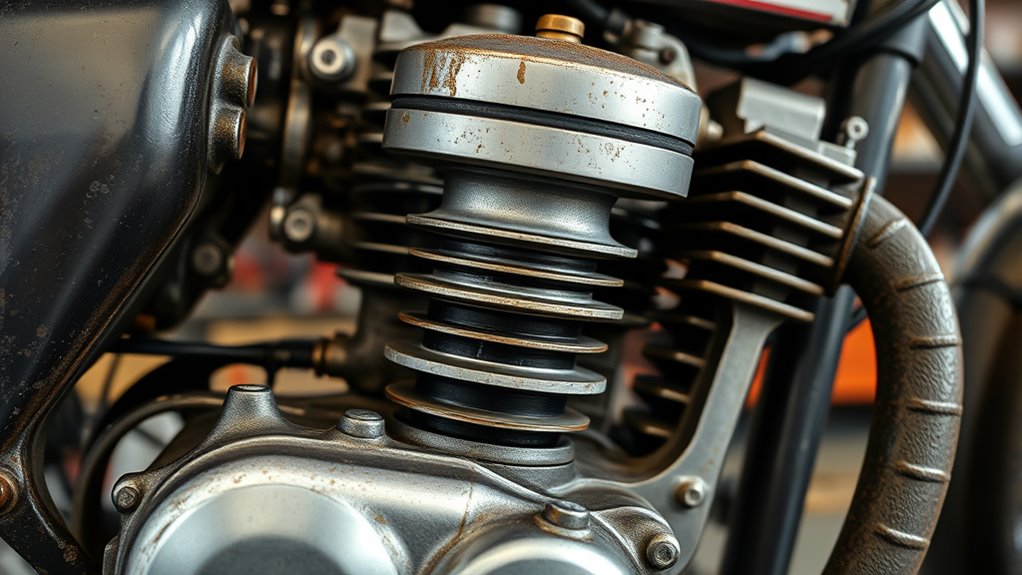
Regular maintenance plays a crucial role in extending the lifespan of both two-stroke and four-stroke engines. When you stick to recommended oil changes, filter replacements, and proper fuel management, you minimize wear and prevent costly damage. For four-strokes, regular oil changes and filter checks keep essential components lubricated and functioning smoothly, reducing the risk of overheating or seizing. In two-strokes, maintaining the correct fuel-oil mixture and promptly addressing top-end wear ensures piston and cylinder longevity. Neglecting these routines accelerates engine fatigue, leading to compression loss, decreased performance, and premature failure. Consistent, attentive maintenance allows your vintage bike to perform reliably over time, preserving engine integrity and ultimately maximizing its lifespan. Proper care is key to enjoying vintage riding without unexpected breakdowns, especially when considering engine longevity. Additionally, staying informed about maintenance best practices can help prevent common issues and extend your engine’s service life. Regular inspections of vital engine components can help identify potential problems early, saving you time and money in the long run. Moreover, understanding the wear patterns specific to each engine type can guide your maintenance approach more effectively. To further enhance your engine’s durability, paying close attention to performance indicators can alert you to issues before they become serious.
Practical Aspects for Vintage Riders
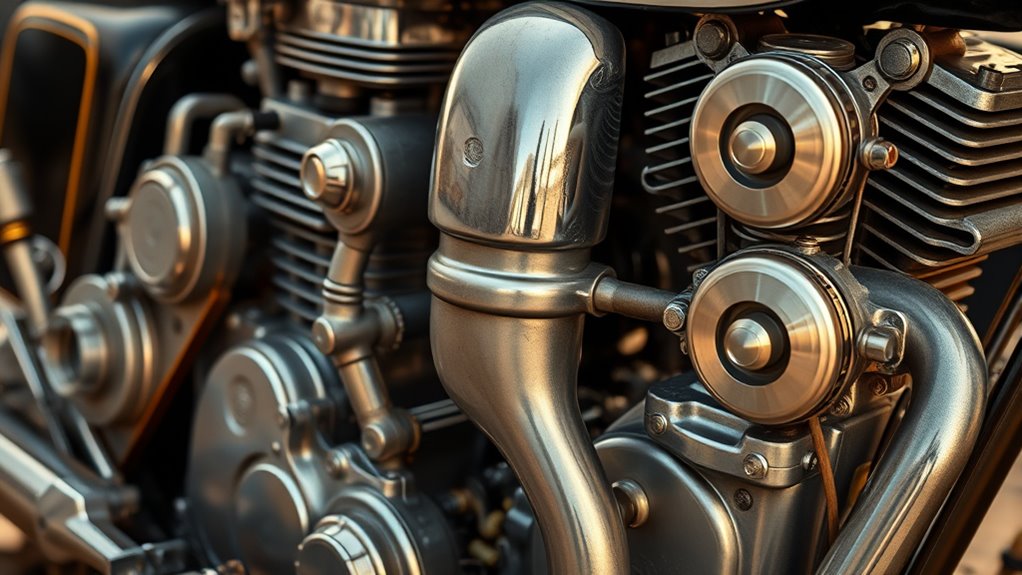
As a vintage rider, you’ll notice that maintenance costs and parts sourcing vary between two-stroke and four-stroke engines. Two-strokes often have lower initial expenses and easier parts access, but they require more frequent repairs. Conversely, four-strokes might cost more upfront and for parts, but they usually need less maintenance over time. Additionally, understanding the benefits of modern kitchen technology can inspire innovative solutions to streamline maintenance routines. Incorporating creative storytelling for branding into your maintenance approach can also help you better communicate with suppliers and fellow enthusiasts, fostering a community of shared knowledge.
Maintenance Cost Comparison
When comparing maintenance costs for vintage motorcycles, understanding the differences between two-stroke and four-stroke engines is essential for budget planning. Two-strokes tend to be cheaper upfront and during routine maintenance because they have simpler designs and fewer parts. Oil changes are less frequent since oil is mixed with fuel, and parts like pistons and rings cost less to replace. However, they often need more frequent top-end repairs due to their design. Four-strokes involve higher initial costs and more expensive routine service, including synthetic oils, filters, and valve adjustments. These bikes typically require more time and money for maintenance but tend to last longer and perform more reliably with proper care. Balancing these factors helps you manage costs effectively over the life of your vintage motorcycle. Additionally, understanding maintenance intervals can help you plan repairs proactively and avoid costly breakdowns, especially considering the engine type that best suits your riding style and maintenance preferences.
Parts Availability and Sourcing
Finding the right parts for vintage two-stroke and four-stroke engines can be challenging because availability often depends on the engine’s age, rarity, and brand. You’ll likely face difficulty sourcing specific components, especially for older or less common models. To navigate this:
- You should focus on specialty suppliers, vintage parts dealers, and online marketplaces like eBay, which often have hard-to-find components.
- Consider joining vintage motorcycle clubs and forums, where members share sources and may offer or trade parts directly.
- Sometimes, you might need to adapt parts from other models or consider aftermarket options, but verify compatibility to avoid future issues.
Staying proactive and building relationships within the vintage community can considerably ease sourcing challenges and keep your bike running smoothly.
Sourcing Parts and Choosing the Right Engine Type

When sourcing parts, you’ll notice that vintage two-stroke components are often more available and easier to find than four-stroke parts, which can be harder to track down. Choosing the right engine type depends on your access to spare parts and your familiarity with maintenance needs. Knowing which engine suits your riding style and parts availability can help you make a smarter, more sustainable choice. Additionally, understanding the quality assessment of your engine components can ensure longer-lasting performance. Regularly evaluating the wear and tear of parts can also help prevent unexpected breakdowns and extend the lifespan of your engine. Being aware of parts availability in your area can influence your decision and streamline your maintenance process.
Availability of Vintage Parts
Choosing the right engine type for vintage bikes considerably affects your ability to source parts. Two-stroke parts are often harder to find because they’re less common today, especially for older models. Four-strokes benefit from a larger aftermarket and more readily available components, making repairs easier. To navigate vintage parts availability:
- Research supplier networks: Specialized vintage shops and online forums often stock rare parts for four-strokes.
- Consider reproduction parts: Many manufacturers produce replicas, especially for popular models, improving access.
- Evaluate compatibility: Two-stroke parts may require more custom fitting or adaptation, impacting repair time and costs.
Your choice impacts not only maintenance complexity but also how easily you can keep your vintage bike on the road.
Engine Type Compatibility
Selecting the right engine type for your vintage bike considerably influences how easily you can source parts and keep it running smoothly. If you choose a four-stroke, you’ll find more readily available parts because many manufacturers and aftermarket suppliers support this engine type. This makes repairs and maintenance more straightforward, especially for older models with established parts networks. Conversely, two-stroke engines may require more specialized sourcing, as parts can be scarce or outdated, demanding extra effort or custom fabrication. When considering compatibility, ensure that your bike’s frame and mounts suit the engine type, and verify that replacement parts match the model’s specifications. Your choice impacts not only maintenance ease but also the availability of upgrades and repairs, so choose based on your riding needs and access to quality parts.
Frequently Asked Questions
How Do Oil Types Differ Between Two-Stroke and Four-Stroke Engines?
You use synthetic or mineral oil in your four-stroke engine, changing it regularly to protect multiple components like the engine, transmission, and clutch. In contrast, your two-stroke engine relies on a pre-mixed gasoline-oil blend that continuously lubricates the piston during operation. This mixture simplifies oil management but requires precise fuel-oil ratios to prevent damage, making oil types and ratios vital for both engine types’ performance and longevity.
What Are the Signs of Wear in Vintage Two-Stroke Vs Four-Stroke Engines?
Imagine your vintage engine whispering its secrets. In two-strokes, signs of wear include excessive smoke, loss of power, or piston ring damage—like a faint crack in a favorite record. For four-strokes, look for oil leaks, valve noise, or reduced compression—similar to a fading melody. Both engines demand your attention; early signs help you prevent a costly finale. Regular checks keep your vintage ride singing smoothly.
How Does Maintenance Impact Vintage Engine Resale Value?
Maintenance markedly impacts your vintage engine’s resale value. When you keep up with regular oil changes, filter replacements, and address wear early, you demonstrate proper care that assures buyers of its reliability. Neglecting maintenance leads to engine wear, costly repairs, and reduced performance, which lowers its worth. Consistent service history shows you’ve maintained the bike properly, making it more appealing and valuable to potential buyers.
Are There Specific Tools Recommended for Vintage Engine Repairs?
Did you know that using the right tools can extend your vintage engine’s life by up to 30%? For repairs, you’ll want a thorough toolkit including socket wrenches, screwdrivers, pliers, and feeler gauges. Specialty items like piston ring compressors, valve adjustment tools, and gasket scrapers are essential for precision work. Always use high-quality, vintage-compatible tools to avoid damage and guarantee smooth, reliable repairs.
What Are the Best Practices for Storing Vintage Engines Long-Term?
When storing vintage engines long-term, you should clean them thoroughly to remove dirt and old oil, then fill the engine with fresh oil to prevent corrosion. Drain or stabilize fuel to avoid gum buildup. Store in a dry, cool place, ideally with a cover to protect from dust and moisture. Periodically check on the engine, rotate the crankshaft, and restart it occasionally to keep parts lubricated and prevent seizing.
Conclusion
Ultimately, choosing between a two-stroke and four-stroke engine is like selecting your own adventure—each path offers unique challenges and rewards. By understanding their differences, you become the master of your vintage ride, ensuring it runs smoothly for years to come. Remember, just as the river shapes the stone, your maintenance choices carve the legacy of your engine, echoing the timeless dance of craftsmanship and care that defines true vintage riding.