Keeping a detailed maintenance log is essential for your vintage motorcycle’s longevity and value. Track every service, part replacement, and modification with dates, mileage, and notes. Use a notebook or digital tool for easy updates and quick access. This record helps prevent small issues from turning into major problems and makes sourcing parts easier. If you want to guarantee your bike stays reliable and well-preserved, continuing will reveal how to create an effective system to keep everything organized.
Key Takeaways
- Use dedicated notebooks, digital spreadsheets, or apps to record maintenance activities systematically.
- Document dates, mileage, parts replaced, and service details for comprehensive tracking.
- Include part sources and manufacturer details to facilitate future sourcing and repairs.
- Keep consistent records of all modifications, repairs, and inspections to identify patterns.
- Regularly update your log to ensure a complete history and improve maintenance planning.
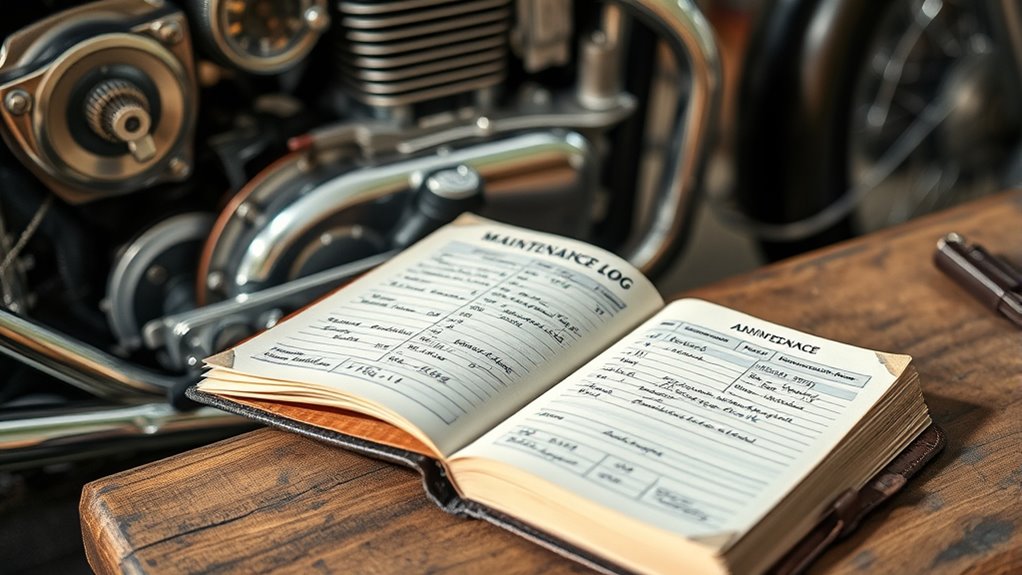
Ever wonder how to keep your vintage motorcycle running smoothly for years to come? One of the most effective ways is by maintaining a detailed maintenance log. This isn’t just about jotting down dates or basic repairs; it’s about creating a thorough record that helps you track every service, modification, and part replacement. When you commit to keeping a detailed log, you gain a clear understanding of your bike’s history, which makes future restoration tips more manageable. For instance, if a specific part starts acting up again, you can quickly check your log to see when it was last serviced or replaced. This proactive approach prevents small issues from turning into major problems and ensures your vintage motorcycle stays reliable on the road.
A well-maintained log also simplifies parts sourcing. When you document the exact parts used, including their manufacturers, part numbers, and purchase dates, it becomes much easier to find suitable replacements down the line. If you’re restoring a classic bike, having a detailed record saves you time searching for compatible parts, especially when dealing with rare or discontinued components. Plus, if you’re working with a mechanic or a restoration shop, your organized log provides them with valuable information—saving time and reducing errors. It also adds value if you decide to sell the motorcycle later, as prospective buyers can see that you’ve taken good care of the bike through meticulous record-keeping.
To make your maintenance log truly effective, develop a system that’s easy to update and reference. Use a dedicated notebook, a digital spreadsheet, or specialized motorcycle maintenance apps—whichever suits your workflow best. Be consistent about recording every maintenance action, from oil changes and chain adjustments to brake inspections and carburetor tuning. Include dates, mileage, and detailed notes about what was done and which parts were involved. This level of detail ensures you can trace patterns and anticipate upcoming needs, like replacing worn-out components before they cause breakdowns. It also helps you remember where you sourced parts, whether from local suppliers, vintage motorcycle parts stores, or online marketplaces, making future sourcing smoother and more efficient.
Furthermore, embracing digital tools can enhance your ability to keep an organized and accessible record, especially as your collection grows or your projects become more complex. In essence, a well-maintained maintenance log becomes your motorcycle’s history book. It keeps you organized, informed, and prepared for every ride and repair. By paying close attention to restoration tips and parts sourcing, and recording every detail diligently, you’re giving your vintage motorcycle the best chance at a long, trouble-free life. Your bike isn’t just a machine; it’s a vintage treasure, and a detailed log is its most valuable preservation tool.

Classic & Vintage Motorcycles Service & Maintenance Log Book: Motorcycle Maintenance Record Book | Service History Tracker for Classic and Vintage … Ignition Timing, Chain, Tires and Repairs
As an affiliate, we earn on qualifying purchases.
As an affiliate, we earn on qualifying purchases.
Frequently Asked Questions
What Should I Include in a Vintage Motorcycle Maintenance Log?
In your vintage motorcycle maintenance log, include restoration records to track previous repairs, upgrades, and parts replacements. Record dates of maintenance, details of work done, and any parts added or replaced. Keep an updated parts inventory to guarantee you know what’s available or needed. This helps you stay organized, monitor the bike’s condition, and makes future repairs easier, ensuring your motorcycle stays in excellent shape.
How Often Should I Update My Maintenance Log?
You should update your maintenance log after every ride or at least once a month. For example, if you notice a scheduled inspection or parts replacement, log it immediately to stay on top of maintenance. Regular updates help you track when you last checked the brakes or changed the oil, ensuring your vintage motorcycle stays in top shape and preventing costly repairs down the road.
Are Digital Logs Better Than Paper for Vintage Bikes?
Digital logs are better for your vintage bike because they offer easy digital backups and quick access. Software advantages include automatic updates, searchable entries, and the ability to sync across devices. Plus, you can store photos, receipts, and service history securely. While paper logs are traditional, digital logs make tracking maintenance more efficient, organized, and protected against loss, ensuring your vintage motorcycle’s service history stays intact and accessible.
How Can I Organize Different Service Records Effectively?
Imagine your vintage motorcycle as a well-tuned orchestra; organize service records like a conductor’s sheet music. Use labeled folders or a digital system to separate restoration budgeting, parts sourcing, and maintenance history. Consistently update entries after each service, noting dates and details. This approach keeps everything accessible, minimizes errors, and guarantees you’re always prepared for future repairs or parts sourcing, making your restoration process smoother and more efficient.
What Are Common Mistakes When Maintaining a Vintage Motorcycle?
You might mistake restoration for maintenance, but they serve different purposes—restoration restores the bike to original condition, while maintenance keeps it running smoothly. A common mistake is neglecting rare part identification, risking damage or incorrect replacements. Always document service details, especially when handling rare parts, to prevent costly errors. Properly distinguishing between these tasks ensures your vintage motorcycle stays reliable and retains its value.

GPS Tracker, Car Kill Switch Anti Theft, GSM SMS GPRS GPS Tracker for Motorcycle Motorbike Vehicle, Cut Off The Oil and Power System Remotely, Locator Tracking Device – Subscription norequired
Automatic update positions of vehicle turns, External power off alarm, LBS+GPS location, Cut off oil/power remotely, Storage and…
As an affiliate, we earn on qualifying purchases.
As an affiliate, we earn on qualifying purchases.
Conclusion
Keeping a maintenance log for your vintage motorcycle isn’t just about organization; it’s about preserving a piece of history. When you stay on top of service, you guarantee your bike runs smoothly and lasts for years to come. Remember, an ounce of prevention is worth a pound of cure. By tracking every repair and tune-up, you’re strengthening your ride’s future—because a well-maintained motorcycle is a joy to ride and a treasure to pass down.

Motorcycle Journeys Through North America: A guide for choosing and planning unforgettable motorcycle journeys
As an affiliate, we earn on qualifying purchases.
As an affiliate, we earn on qualifying purchases.
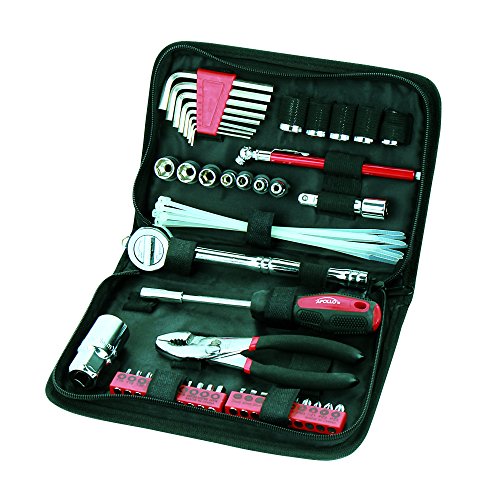
Apollo Tools 56 Piece Compact Metric Auto Tool Set in Zippered Case, Small Mechanic Tool Set for Car Emergency, Motorcycle Repair on the Road, Great for Travel Tool Needs – Red – DT9775
HANDY AUTO TOOL KIT: Small, compact, fits anywhere, but contains the essential tools for your vehicles’ emergency repair,…
As an affiliate, we earn on qualifying purchases.
As an affiliate, we earn on qualifying purchases.