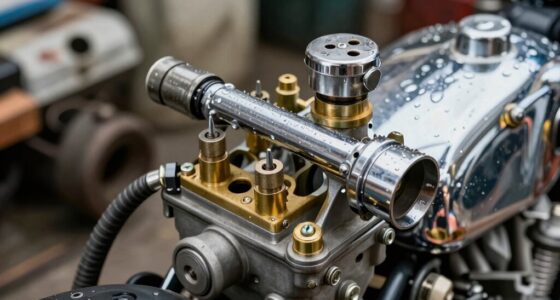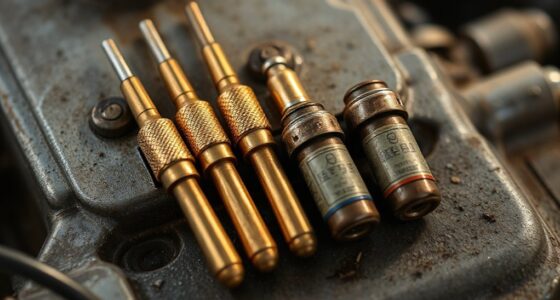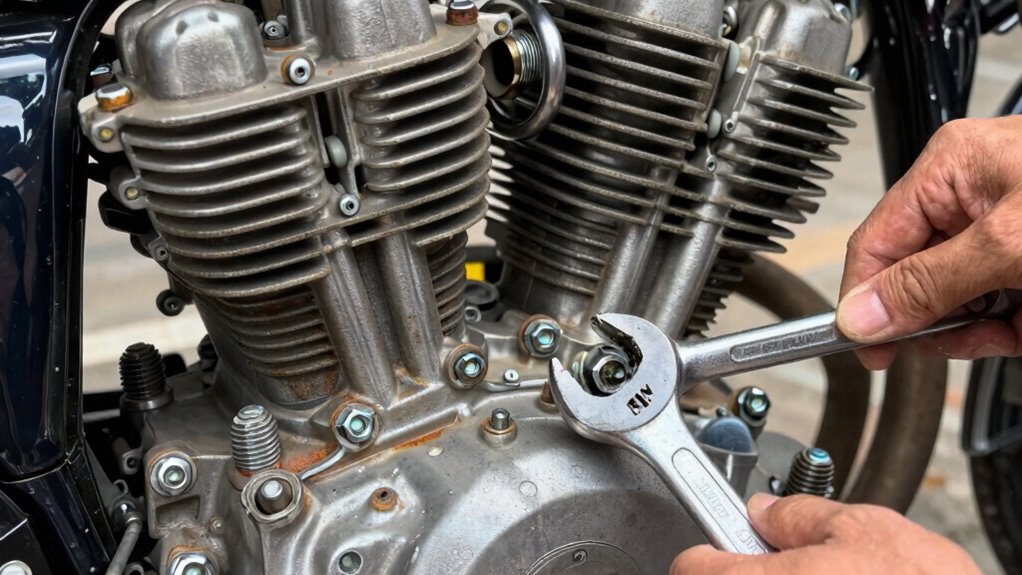

Proper torque on older motorcycles is vital to keep your bike safe and running smoothly. When you tighten bolts too much, you risk cracking or stripping parts, but if you don’t tighten enough, components may loosen and cause accidents. Following manufacturer specs guarantees parts stay in place and remain durable over time. Using the right tools helps prevent damage and extends your bike’s life. Keep these points in mind to avoid costly repairs and secure reliable performance—there’s more to learn for your safety.
Open a free Amazon Business account
Business pricing, bulk buying and tax-exempt orders.
As an affiliate, we earn on qualifying purchases.
Key Takeaways
- Correct torque prevents damage to fragile, worn parts and maintains structural integrity.
- Proper torque ensures safety by avoiding loose or overtightened components.
- Following manufacturer specifications preserves original performance and authenticity.
- Using torque wrenches ensures precise tightening, preventing uneven stress and misalignment.
- Proper torque application reduces long-term wear, cracks, and safety hazards on aging materials.
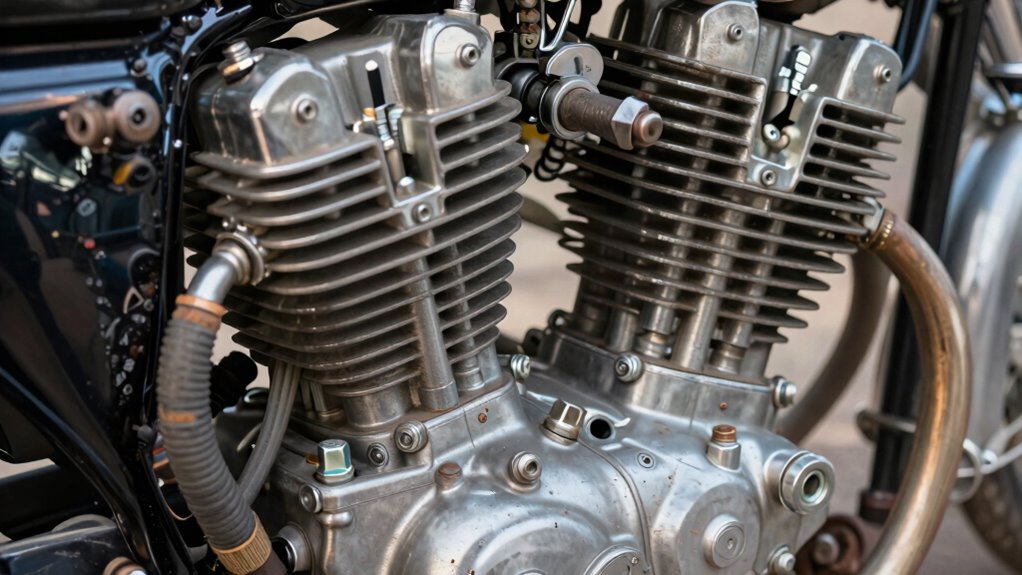
When working on older motorcycles, applying the correct torque is essential to guarantee safety and prevent damage. If you’re into vintage restoration, understanding and adhering to torque specifications becomes even more critical. Older bikes often have parts that are more fragile or worn out, and overtightening or undertightening can cause serious issues down the line. Proper torque ensures that components are secured correctly without risking stripped threads or cracked casings, which could compromise the motorcycle’s structural integrity. Ensuring the right torque is also vital because material degradation can alter how parts respond to tightening forces over time.
In vintage restoration projects, paying close attention to torque specifications helps preserve the authenticity and longevity of your bike. Manufacturers often provide specific torque values for various bolts and nuts, and following these precisely helps maintain the original performance and safety standards. When you neglect these details, you might inadvertently cause uneven pressure on parts, leading to faster wear or even failure during operation. Remember, torque isn’t just about tightening screws—it’s about applying the right amount of force to keep everything functioning smoothly and safely. Properly understanding torque specifications ensures you’re making informed decisions during assembly.
Older motorcycles tend to have softer or degraded materials, making the importance of correct torque even more apparent. Over-tightening can strip threads, distort components, or cause cracks, especially in castings or aluminum parts. Conversely, under-tightening can result in loose parts that vibrate or come apart while riding. Both scenarios are dangerous and can lead to costly repairs. That’s why it’s essential to always consult the specific torque specifications for your vintage bike. These specs are usually found in service manuals or manufacturer guides, and they’re designed to optimize safety and durability. Using a torque wrench is the best way to ensure you meet the right specifications. Don’t rely on guesswork or hand-tightening; a torque wrench allows you to apply an exact amount of force, which is crucial when restoring older motorcycles. Properly tightening bolts not only helps prevent damage but also ensures the assembly is strong enough to withstand vibrations and stresses during riding. As you tighten each bolt, check the specifications and work systematically to avoid uneven tightening. This method helps keep the components aligned and evenly stressed, which is vital for the longevity of your restored vintage motorcycle. Additionally, understanding the importance of correct torque can help prevent premature wear and potential safety hazards.
As an affiliate, we earn on qualifying purchases.
Frequently Asked Questions
How Often Should I Check Torque on My Motorcycle?
You should check torque on your motorcycle every 1,000 to 2,000 miles, or during regular maintenance. Follow your motorcycle’s maintenance schedule closely and guarantee torque calibration is accurate. Regularly inspecting and tightening bolts helps prevent parts from loosening or failing. Keep a torque wrench handy, and recheck torque after riding through rough terrain or during temperature changes, to maintain safety and ideal performance.
Can Improper Torque Cause Engine Damage?
Imagine tightening a bolt on your motorcycle like tuning a musical instrument — too tight, and you risk breaking parts; too loose, and they can come apart. Improper torque can cause engine damage by stressing components, reducing engine longevity, and posing safety risks. Proper torque ensures your engine runs smoothly and safely, preventing costly damage and extending its life. Always follow torque specs for maximum performance and safety considerations.
What Tools Are Best for Measuring Proper Torque?
You should use a quality torque wrench to measure proper torque on your motorcycle bolts. A calibrated torque wrench guarantees accuracy and consistency, preventing over-tightening or under-tightening. Calibration tools help maintain the wrench’s precision over time, so your measurements stay reliable. Regularly check and calibrate your torque wrench to ensure it’s functioning correctly. This combination guarantees you tighten bolts to the correct specifications, protecting your motorcycle’s engine and components.
Does Torque Specification Vary Between Motorcycle Models?
Torque specifications do vary between motorcycle models because of differences in design and parts. When working on your bike, you need to check the model compatibility for torque settings to guarantee accuracy. This helps maintain torque consistency, preventing damage or safety issues. Always refer to your motorcycle’s service manual for the correct torque values, and avoid using generic settings to ensure your bike’s integrity and peak performance.
How Does Age Affect Torque Requirements?
Think of your motorcycle as a classic symphony—its age brings unique notes of wear and history. As it ages, age-related wear can cause bolt threads and components to loosen, making torque requirements less predictable. To keep your ride performing smoothly, you need to guarantee torque consistency, adjusting for these changes. Properly torquing bolts ensures your motorcycle stays harmonious, safe, and reliable, despite the passage of time.
vintage motorcycle bolt torque specifications
As an affiliate, we earn on qualifying purchases.
As an affiliate, we earn on qualifying purchases.
Conclusion
When you tighten those bolts just right, it’s like fitting the last piece into a well-worn puzzle—everything clicks into place. Proper torque keeps your older motorcycle running smooth, much like a gentle breeze revitalizes a long-forgotten trail. It’s a small detail with big payoff, ensuring your ride stays reliable and safe. Next time you’re under the tank, remember: the right torque isn’t just a number—it’s the quiet guardian of your journey’s next adventure.
As an affiliate, we earn on qualifying purchases.
As an affiliate, we earn on qualifying purchases.
Fall yard work Picks
leaf blowers
As an affiliate, we earn on qualifying purchases.