TL;DR

Get business pricing on garage and car supplies
- Business-only prices and quantity discounts
- Tax-exempt purchasing
- Multiple users, one account, clear invoices
A rising number of Chinese car enthusiasts are illegally recreating classic muscle cars that are banned by Chinese authorities. This underground movement involves custom modifications and replicas, posing safety and legal risks. The development highlights tensions between car culture and regulatory enforcement.
Chinese car enthusiasts are increasingly engaging in the illegal recreation of classic muscle cars, which are banned by authorities due to safety and emissions concerns. This underground movement involves custom modifications and replica vehicles that mimic iconic American muscle cars, despite strict regulations against such modifications. The trend highlights a growing tension between car culture and regulatory enforcement in China.
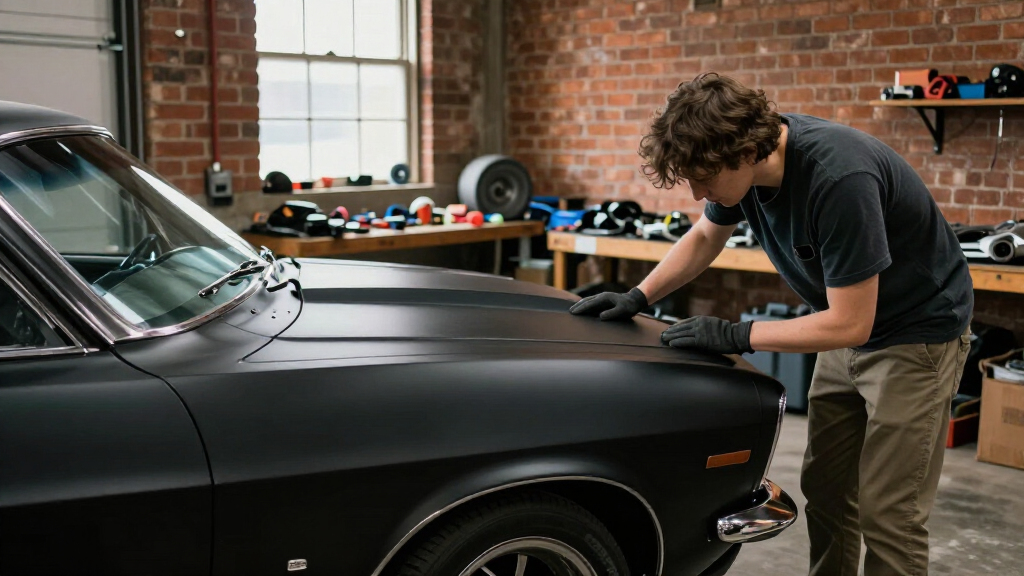
Multiple reports indicate that underground garages and small workshops across major Chinese cities are producing unauthorized replicas of American muscle cars such as the Ford Mustang, Chevrolet Camaro, and Dodge Charger. These vehicles often feature heavily modified engines, custom body kits, and interior modifications to resemble their classic counterparts. Authorities have cracked down on some workshops, but the practice persists, fueled by a demand among young enthusiasts seeking the thrill of owning a muscle car.
Sources within the Chinese automotive community confirm that these illegal recreations are often built using imported parts, some of which are smuggled or obtained through grey markets. The vehicles are typically not registered legally and are driven on public roads without proper certification, raising safety concerns. Experts warn that these modifications may compromise vehicle safety and emissions standards, which are strictly enforced by Chinese authorities.
Officials from China’s Ministry of Industry and Information Technology have stated that such illegal modifications violate multiple safety and environmental regulations. Law enforcement agencies have conducted several raids on workshops suspected of producing these replicas, but the underground scene remains active due to high demand and the difficulty of policing dispersed small-scale operations.
Why Illegal Muscle Car Reproductions Impact China’s Automotive Scene
This trend underscores a growing desire among Chinese youth for Western-style car culture, especially the allure of American muscle cars. However, it also highlights ongoing challenges for regulators in balancing cultural expression with safety and environmental standards. The illegal recreations pose risks not only to the drivers but also to other road users, raising questions about enforcement and the future of car modification laws in China.
Furthermore, the movement illustrates how global car culture influences local scenes, despite strict government controls. As these illegal vehicles become more prevalent, authorities may face increased pressure to adapt regulations or increase enforcement, which could impact legal car modification and import policies.
As an affiliate, we earn on qualifying purchases.
Growing Underground Scene of Muscle Car Replicas in China
Since 2022, reports have emerged of Chinese enthusiasts illegally building replica muscle cars, inspired by American automotive icons. While official bans on such vehicles are rooted in safety and emissions concerns, the underground scene has persisted and even expanded. This reflects a broader trend of youth-driven car culture in China, where customization and personalization are highly valued. Authorities have periodically cracked down on workshops involved in illegal modifications, but the demand remains high, particularly among younger drivers seeking status and identity through these vehicles.
Chinese regulations on vehicle modifications are among the strictest globally, with heavy penalties for illegal alterations. Despite this, the allure of owning a muscle car remains strong, leading to the proliferation of clandestine operations. Some workshops operate openly in certain districts, while others function covertly, smuggling parts and avoiding law enforcement detection.
As an affiliate, we earn on qualifying purchases.
Extent and Future of Illegal Muscle Car Reproductions in China
It is not yet clear how widespread the illegal muscle car recreation scene has become across China or how authorities plan to address this trend long-term. While enforcement actions have temporarily slowed activity in some areas, the underground scene appears resilient. The potential for regulatory changes or increased crackdowns remains uncertain, as does the impact on public safety and environmental standards.
As an affiliate, we earn on qualifying purchases.
Potential Regulatory Responses and Industry Impact
Authorities are expected to increase surveillance and enforcement against illegal workshops, possibly introducing stricter penalties or new regulations on vehicle modifications. Meanwhile, some industry insiders suggest that legal pathways for customized vehicles could be expanded to reduce illegal activity. The scene’s growth may also influence policy discussions around cultural expression and safety standards in China’s automotive sector.
As an affiliate, we earn on qualifying purchases.
Key Questions
Are these illegal muscle cars street-legal in China?
Most of these replica muscle cars are not legally registered or certified, making them illegal to drive on public roads under current Chinese regulations.
What risks do these illegal recreations pose?
They may compromise vehicle safety, violate emissions standards, and increase the risk of accidents due to unapproved modifications.
How are authorities responding to this trend?
Law enforcement has conducted raids on workshops and increased surveillance, but the dispersed nature of the scene makes eradication difficult.
Could legal channels for customized cars be introduced?
There is ongoing debate about relaxing regulations to allow legal customization, which could reduce illegal recreations, but no concrete policy changes have been announced yet.
Why do enthusiasts pursue illegal muscle cars despite risks?
Many see owning a muscle car as a status symbol and a form of personal expression, which motivates them to participate in this underground scene despite potential legal consequences.
Source: rss
Fall Picks
fall essentials
As an affiliate, we earn on qualifying purchases.