
TL;DR
Spain’s new General Traffic Regulations take effect Thursday, October 1, with stricter requirements for drivers overtaking cyclists and revised helmet rules. The changes apply in Spain; any effect on rules elsewhere is uncertain, and enforcement will shape their impact.
Spain’s revised General Traffic Regulations take effect Thursday, October 1, changing how drivers must pass cyclists and when riders are required to wear helmets. The rules are intended to promote cycling and improve safety for vulnerable road users, according to Spain’s state gazette; how much safer roads become will depend in part on driver awareness and enforcement.

Get business pricing on garage and car supplies
- Business-only prices and quantity discounts
- Tax-exempt purchasing
- Multiple users, one account, clear invoices
On rural roads, drivers overtaking cyclists must leave at least 1.5 metres of space, as before, and must now travel at least 20 km/h below the speed limit while passing. They must also remain at least five metres behind a cyclist until beginning the manoeuvre. The gazette says drivers should take special care when overtaking cyclists and other vulnerable road users to avoid creating a dangerous situation.
The rules also change helmet requirements. The report says previous exemptions for circumstances such as long climbs, extreme heat and medical reasons are removed. Riders under 16 and people cycling as part of their job must wear helmets on all roads. Riders over 16 are required to wear them on roads outside urban areas, as described in the report. It says a helmet violation can bring a €200 fine.
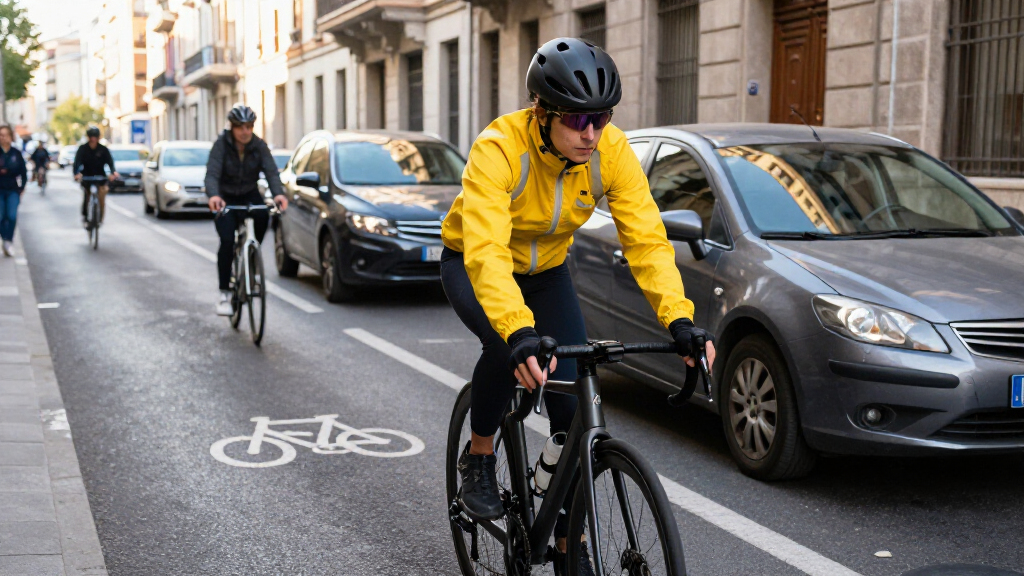
Cyclists are encouraged to ride in the centre of the lane, a position the report says can make them more visible and discourage risky passes. On urban one-way streets with speed limits of 30 km/h or less, cycling in both directions may be allowed where signs permit it. The article describes this as a possibility subject to signage, rather than a blanket change for every street.
How the Rules Could Affect Road Safety
The changes set clearer expectations for drivers passing cyclists and for riders choosing where to position themselves. The required clearance remains 1.5 metres, while the added speed limit for overtaking specifies how drivers should adjust on rural roads. If followed, these provisions could reduce some close or high-speed passes, though the rules alone do not establish how often violations occur or how much risk will fall.
The helmet changes also have a direct practical effect: some riders who previously relied on exemptions will have to wear one, and visitors will need to check the requirements for their route and circumstances. Spain’s rules may be of particular interest to people planning cycling trips, including in island destinations such as Majorca. The source does not establish whether the regulation will prompt other countries to change their laws; any wider influence remains a possibility, not a confirmed result.
Products Worth Considering

DEWALT 20V MAX Cordless Drill and Impact Driver Combo Kit (DCK277D2)

Autel MaxiCharger Level 2 50A Hardwired EV Charger with Wi-Fi and 25-Foot Cable

NOCO Boost GB150 3000A 12V Lithium Jump Starter
As an affiliate, we earn on qualifying purchases.
Spain’s Stated Aims and Earlier Exemptions
Spain’s state gazette describes two goals: encouraging cycling as a healthy and sustainable way to travel that can help reduce urban pollution, and introducing measures to improve cyclist safety. The new traffic provisions combine requirements for motorists with guidance and obligations for riders.
Before the change, the report says cyclists could forgo helmets on long climbs, in extreme heat or for medical reasons. The new rules remove those exemptions. The requirement to wear a helmet for all riders under 16 and people cycling for work is distinct from the rule for riders over 16, which applies on roads outside urban areas as described by Cycling Weekly.
The report compares the direction of Spain’s rules with road-safety ideas adopted or tried elsewhere, including the Dutch Reach and road-user hierarchies in the UK, as well as Dutch-inspired intersections in Portland and Montréal. These examples provide context for wider efforts to protect people cycling; they do not mean Spain’s new provisions automatically apply abroad.
“The regulations introduce measures that enhance the safety of cyclists, who are vulnerable road users.”
— Spain’s state gazette
Enforcement Will Shape the Impact
The source does not say how authorities will monitor compliance, how frequently fines will be issued or whether driver education will accompany the law. It also does not provide evidence on expected changes in collisions, cyclist injuries or pollution after the rules take effect. Those outcomes cannot be inferred from the regulations alone.
The report says some urban one-way streets may permit two-way cycling when signage allows, but it does not identify which streets will qualify or how local authorities will designate them. It also leaves open whether other countries will adopt similar provisions. The rules described apply in Spain; no change to UK, US or other countries’ laws is reported.
What Riders and Drivers Should Check
From Thursday, cyclists and motorists travelling in Spain will need to follow the revised requirements. Riders should check the helmet rules that apply to their age, work and road type, and look for local signs before cycling against traffic on a one-way street. Drivers should observe the required clearance, reduced overtaking speed on rural roads and minimum following distance before passing.
The next practical test will be whether road users learn and follow the rules, and whether authorities enforce them. The source provides no scheduled review or later policy milestone. Any effect on traffic safety, and any response from other countries, will become clearer only with implementation and subsequent evidence.
Key Questions
When do Spain’s new cycling rules take effect?
They take effect Thursday, October 1. The source does not specify the year.
How much space must drivers leave when overtaking a cyclist?
Drivers must leave at least 1.5 metres. On rural roads, they must also travel at least 20 km/h below the speed limit while overtaking and remain at least five metres behind the cyclist until they begin the manoeuvre.
Who must wear a helmet under the new rules?
According to the report, cyclists under 16 and people riding for work must wear helmets on all roads. Riders over 16 must wear them on roads outside urban areas. Previous exemptions for long climbs, extreme heat and medical reasons are removed.
Can cyclists ride both ways on one-way streets?
Some urban one-way streets with speed limits of 30 km/h or less may allow cycling in both directions, but only where signage permits it.
Will the rules apply outside Spain?
No wider legal change is reported. Any influence on other countries’ rules is uncertain; the provisions described apply in Spain.
Source: rss