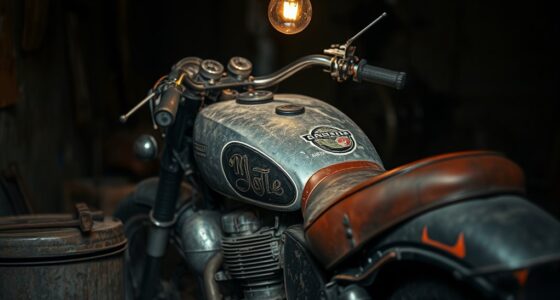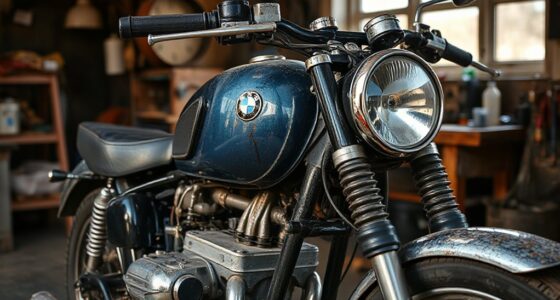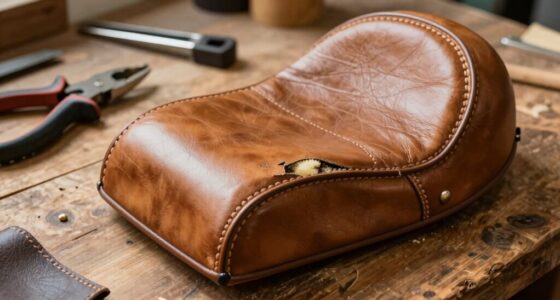
Restoring a Harley-Davidson Panhead involves careful disassembly, inspection, and part replacement to bring back its vintage charm. You’ll want to carefully preserve authentic details while upgrading worn components for improved performance. Custom paintwork can enhance its iconic look with modern or vintage-inspired colors. Focus on precise assembly and finishing touches to create a machine that honors the 1950s legacy yet reflects your personal style. Stick with us to explore detailed tips for reviving this legendary motorcycle.
Key Takeaways
- Conduct a thorough assessment of rust, worn parts, and faded paint to identify restoration opportunities.
- Disassemble and carefully rebuild the engine for improved performance and reliability.
- Use custom paint to preserve vintage design while adding modern personalization.
- Replace worn components with authentic or high-quality aftermarket parts to maintain originality.
- Assemble all parts meticulously to revive the bike’s historic appeal and ensure a smooth ride.

Are you ready to breathe new life into a classic? Restoring a Harley-Davidson Panhead isn’t just about fixing a vintage bike; it’s about reigniting its legendary spirit. When you start your project, the first step is to carefully assess the condition of the motorcycle. Many Panheads have endured decades of use, so expect some rust, worn parts, and faded paint. But don’t worry—these issues are opportunities to bring out your craftsmanship. Your goal is to return this vintage machine to its former glory, blending authenticity with your personal touch.
Breathing new life into a vintage Panhead is about restoration, craftsmanship, and honoring its legendary spirit.
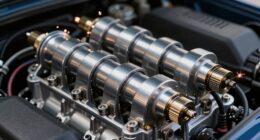
A critical part of the restoration process involves the engine rebuild. The Panhead’s engine is the heart of the bike, and restoring it demands precision. You’ll need to disassemble the engine, carefully inspecting each component for wear or damage. After cleaning parts thoroughly, decide whether to repair or replace them. Once you’ve rebuilt the engine, it’ll run smoother and more reliably—an essential for any rider wanting to enjoy the bike as it was meant to be ridden. During this phase, pay close attention to tuning the carburetor and timing to ensure ideal performance. Remember, a well-rebuilt engine breathes new life into the entire motorcycle, making it feel powerful and responsive.
When it comes to the aesthetic restoration, custom paint plays a pivotal role. The original Panhead design is iconic, but adding a custom paint job allows you to express your style while respecting the bike’s vintage roots. Choose colors and patterns that complement the bike’s era, or go bold with modern twists—either way, the paint enhances the bike’s personality. Prep the surface meticulously, applying primer, then your custom paint, and finishing with a durable clear coat. This process not only makes your motorcycle visually striking but also protects it from the elements, ensuring it remains a head-turner for years to come. Incorporating European cloud servers into your restoration planning can help you access expert resources and digital archives securely and sustainably.
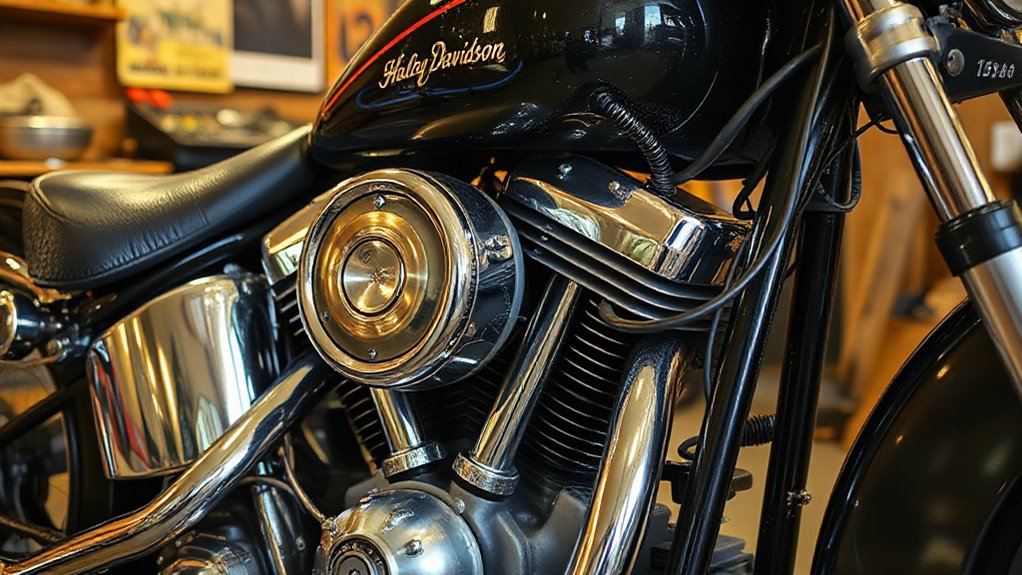
Throughout the restoration, attention to detail makes all the difference. Replace worn-out parts with authentic or high-quality aftermarket components. Keep the original Harley-Davidson badges, fittings, and accessories to preserve the vintage appeal. Once you’ve completed the engine rebuild, finished the custom paint, and assembled all the parts, your restored Panhead will stand as a monument to your dedication and passion. Restoring this classic isn’t just about the look or sound; it’s about reviving a piece of motorcycle history and creating a machine that’s uniquely yours. With patience and skill, you’ll bring a 1950s legend back to life, ready to turn heads on the open road.
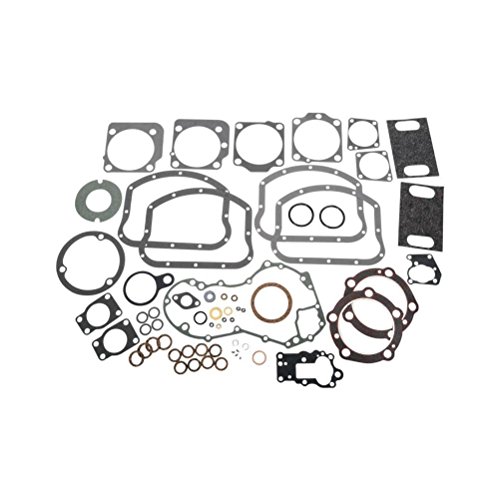
James Gaskets Top End Gasket Kit for Harley Davidson 1948-65 Panhead – One Size
New
As an affiliate, we earn on qualifying purchases.
As an affiliate, we earn on qualifying purchases.
Frequently Asked Questions
What Are the Most Common Issues Faced During Panhead Restoration?
During Panhead restoration, you’ll often face issues like sourcing authentic vintage accessories and matching the original custom paint perfectly. Rust and corrosion can be stubborn, especially on older parts, making restoration labor-intensive. You might also struggle with finding original or compatible replacement parts, which are vital for maintaining authenticity. Balancing modern updates while preserving the vintage feel can be tricky, but it’s essential to keep your bike true to its legendary legacy.
How Do You Identify Original vs. Aftermarket Parts?
You identify original parts by checking for factory markings, stamps, and casting numbers that match Harley-Davidson’s official documentation. Look for consistent finish and craftsmanship typical of the 1950s. Aftermarket indicators often lack these markings, show different materials or finishes, and may have non-original fasteners. Comparing parts to authentic photos or consulting a Harley expert helps verify you’re accurately distinguishing between original and aftermarket components.
What Safety Precautions Are Essential During Restoration?
You should always wear personal protective equipment like gloves, goggles, and a dust mask to safeguard yourself from hazards. Keep your workspace organized and well-ventilated to prevent accidents and guarantee safety. Use proper tools and handle chemicals carefully. Regularly inspect your safety gear and workspace for potential risks. Prioritizing workspace safety and using PPE protect you from injuries, making your restoration process safer and more efficient.
How Much Does a Complete Panhead Restoration Typically Cost?
A complete Panhead restoration usually costs between $15,000 and $30,000, depending on the level of customization. If you opt for custom paint or engine upgrades, expect to pay more. Budget for parts, labor, and special finishes, as these can considerably impact the total. Planning ahead helps you allocate funds wisely, ensuring you get the classic look and performance you desire without unexpected expenses.
Where Can I Find Authentic Panhead Parts for Restoration?
For authentic Panhead parts, you’ll want to explore specialty shops, online marketplaces, and vintage motorcycle events. Seek out sources that offer genuine goods, emphasizing vintage paint and chrome plating to match original standards. You can also connect with dedicated Harley-Davidson clubs or restorers who often share trusted suppliers. Keep an eye on auction sites and forums, where collectors frequently list rare, authentic parts perfect for your restoration project.

TUMOVO Paint by Numbers Colored Motorcycle DIY Paint by Numbers Kit for Adults and Kids DIY Canvas Painting by Numbers Watercolor Oil Painting Acrylic Painting Arts and Craft 16×20 Inch
🎨 PAINT BY NUMBERS KIT:Includes a 16'' x 20'' canvas (without framed), 3 painting brushes, 1 set of…
As an affiliate, we earn on qualifying purchases.
As an affiliate, we earn on qualifying purchases.
Conclusion
Restoring a Harley-Davidson Panhead isn’t just about bringing a bike back to life; it’s about preserving a piece of history. Did you know that only around 70,000 Panheads were produced between 1948 and 1965? That makes each restored engine a rare treasure. As you breathe new life into this 1950s legend, you’re keeping a timeless symbol of American motorcycle craftsmanship alive for generations to come. Your effort truly revives more than metal — it revives history.

Andrews AB Cam for Harley Davidson Panhead/Shovelhead 48-69
Andrews AB Cam for Harley Davidson Panhead/Shovelhead 48-69
As an affiliate, we earn on qualifying purchases.
As an affiliate, we earn on qualifying purchases.

Swpeet 4Pcs Adjusting Valves Tools Set, Motorcycle Engine Valve Screw Adjusting, Include Square Hole Tool, Hexagonal Hole Tool, Straight Feeler Gauge and Offset Feeler Gauge(Metric and Imperial)
📿 【What You Get】—— You will get 5pcs adjusting valves tool set in total. Including 1pcs approx 1.93"×2.68"…
As an affiliate, we earn on qualifying purchases.
As an affiliate, we earn on qualifying purchases.