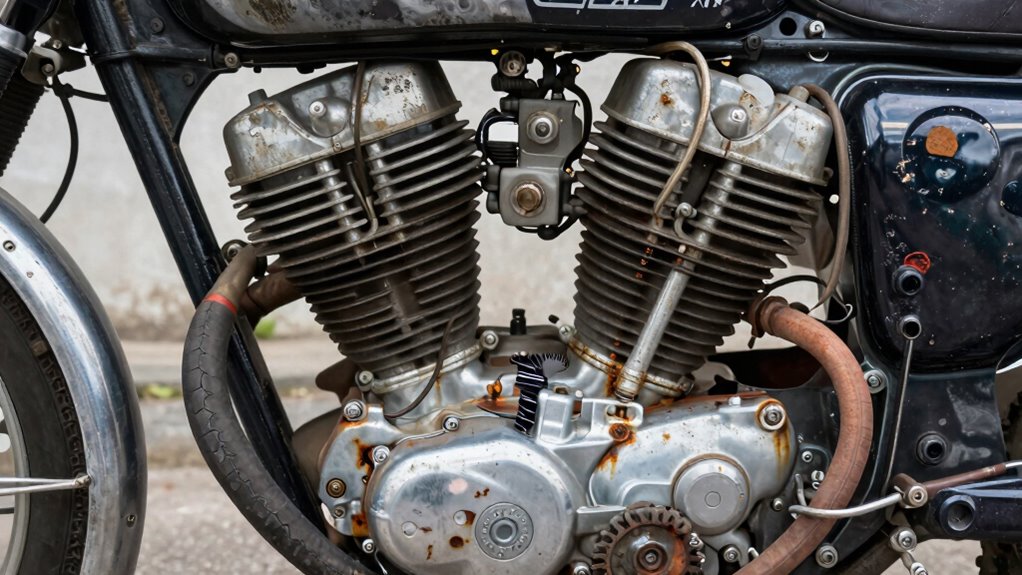

You can tell if your vintage motorcycle needs a rebuild by noticing performance issues like rough running, stalling, or power loss, which often point to internal wear. Unusual noises, excessive smoke, or increased oil consumption mean components might be worn out or damaged. Check for rust, corrosion, or structural deterioration in the frame, suspension, and brakes. Evaluating these signs helps determine if repairs are enough or if a full rebuild is needed—more details await if you keep exploring.
Key Takeaways
- Engine runs rough, stalls often, or shows significant power loss, indicating internal wear or damage.
- Unusual noises, excessive smoke, or poor fuel efficiency suggest internal component issues requiring inspection.
- Visible rust, corrosion, or damage on the frame, suspension, or brakes compromise safety and may necessitate rebuilding.
- Internal inspections reveal worn seals, gaskets, or piston rings that simple repairs can’t fix, indicating a rebuild is needed.
- Overall performance decline, reliability issues, or deterioration in appearance signal the need for a comprehensive rebuild.
If you own a vintage motorcycle, knowing when it’s time for a rebuild can save you from costly repairs and unexpected breakdowns. Over time, wear and tear take their toll, and ignoring signs of deterioration can lead to bigger issues that threaten both your bike’s performance and its authenticity. One of the first things you should consider is your restoration budget. Rebuilding a vintage motorcycle isn’t cheap, especially if you aim for high-quality parts and expert craftsmanship. If your budget is tight, you might need to prioritize specific components or opt for more affordable repairs. However, if preserving historical accuracy is your goal, then investing in authentic parts and meticulous restoration becomes essential, even if it costs more. Balancing your budget with the desire to maintain the bike’s original character helps determine whether a rebuild is justified now or can wait until more funds are available.
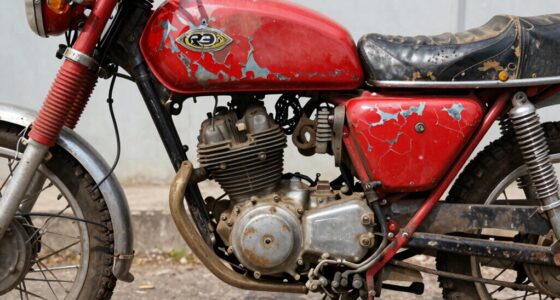
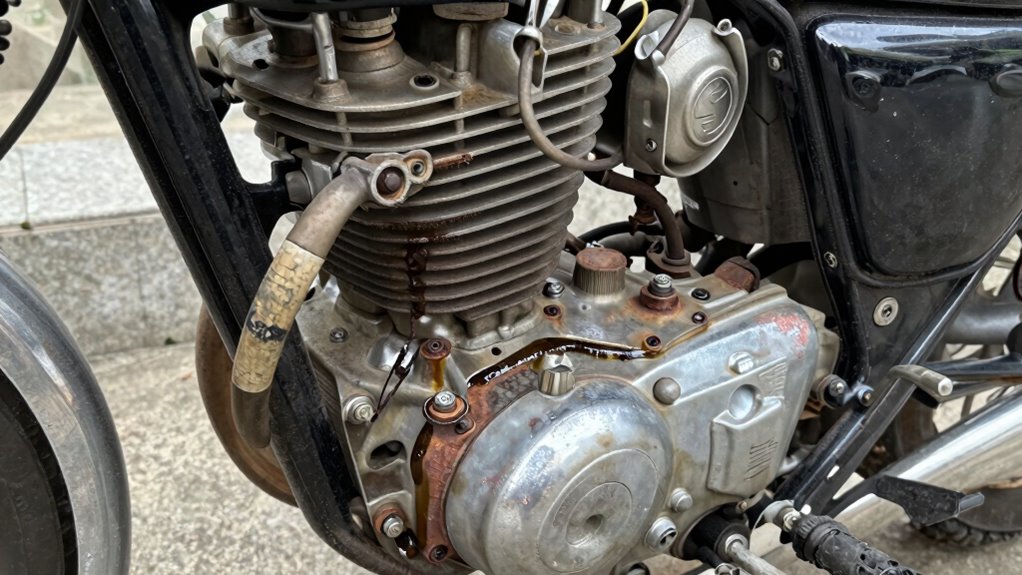
Next, pay close attention to the engine’s performance. If your motorcycle starts to run rough, stalls frequently, or experiences a significant loss of power, these are clear signs that it’s time for a rebuild. Unusual noises, excessive exhaust smoke, or a drop in fuel efficiency also point toward internal issues that can’t be fixed with simple maintenance. Don’t ignore minor leaks or oil consumption either; these symptoms often indicate worn seals, gaskets, or piston rings that need replacing. When it comes to internal components, it’s not just about fixing what’s broken but ensuring the engine maintains its original specifications to preserve historical accuracy. A thorough inspection can reveal whether the engine’s core parts are still salvageable or if a full rebuild is necessary. Additionally, evaluating the internal component wear can help you determine whether repairs are sufficient or if a complete overhaul is needed. Regularly checking the lubrication system is also crucial, as insufficient lubrication accelerates wear and can lead to more extensive damage.
Additionally, consider the condition of the frame, suspension, and brakes. Rust, corrosion, or damaged parts can compromise safety and aesthetics. If you notice structural issues or significant deterioration, a rebuild might be unavoidable. Restoring these parts with period-correct materials and finishes aligns with both your restoration budget and your desire to keep the bike true to its original design. A detailed evaluation of all major components helps you understand the scope of work needed and whether a rebuild is the most practical solution. In the end, listening to your motorcycle and evaluating its performance, reliability, and appearance will guide you toward the right decision—whether to rebuild now or delay until you can do so properly.

Motorcycle 70CC Cylinder Rebuild Engine Kit Fit for Honda ATC70 CRF70 CT70 C70 TRX70 XR70 S65
Aftermarket Parts 100% Brand New
As an affiliate, we earn on qualifying purchases.
As an affiliate, we earn on qualifying purchases.
Frequently Asked Questions
How Often Should I Inspect My Vintage Motorcycle for Potential Rebuild Needs?
You should inspect your vintage motorcycle regularly, ideally following your maintenance schedule and performing a cosmetic inspection every few months. Look for signs of wear, rust, or leaks, and listen for unusual sounds. Frequent checks help catch issues early, preventing major rebuilds. Staying proactive guarantees your bike stays reliable and safe, saving you time and money in the long run. Regular maintenance keeps your vintage motorcycle in top shape.
Can Regular Riding Hide Signs That My Motorcycle Needs a Rebuild?
Regular riding can hide signs that your vintage motorcycle needs a rebuild, like a painted masterpiece with cracks hidden beneath fresh vintage paint. While you enjoy the ride, issues like worn leather seats and subtle engine noises may go unnoticed. Over time, these signs whisper warnings, reminding you to peek beneath the surface. Trust your senses—if something feels off, it’s time to dig deeper before minor problems turn into costly repairs.
What Are Common Signs of Internal Engine Damage in Vintage Bikes?
You’ll notice internal engine damage in your vintage bike if you hear unusual engine noise, like knocking or ticking sounds, which indicate worn parts. Excessive oil consumption is another sign, meaning seals or piston rings might be worn out. Also, reduced power, difficulty starting, or smoke from the exhaust can point to internal issues. Pay attention to these signs, and don’t ignore any unusual sounds or consumption patterns.
Is It Necessary to Rebuild a Vintage Motorcycle After a Certain Mileage?
You don’t always need to rebuild your vintage motorcycle after a set mileage. Instead, focus on its condition—check for signs like worn-out vintage paint, which indicates age, or leather accessories that show deterioration. If these elements look tired or if the engine exhibits issues, a rebuild might be necessary. Regular inspections help you decide whether your bike needs a rebuild, ensuring it stays reliable and preserves its vintage charm.
How Do I Identify Hidden Rust or Corrosion in Vintage Motorcycle Parts?
Ever wondered how to spot hidden rust or corrosion? Start with a thorough rust inspection, feeling for rough patches or flaking paint, especially in hard-to-see areas. Use a flashlight to detect corrosion that might be lurking beneath surfaces. Look closely at joints and inside hollow parts. Regular corrosion detection helps prevent long-term damage. If you notice any signs, it’s time to address those hidden rust spots before they worsen.

DNA MOTORING Engine Piston Ring Compressor Set with Compression Pliers and 7 Piston Rings (2-7/8" – 4-5/8") – for Car, Truck, and Motorcycle Installation and Removal Kit, TOOLS-00537
【Versatile Design】This Set Features A Heavy-duty Ratcheting Compression Pliers And Six Piston Ring Compressors, Each Labeled For Easy…
As an affiliate, we earn on qualifying purchases.
As an affiliate, we earn on qualifying purchases.
Conclusion
So, if your vintage motorcycle’s smoking like a dragon, sputtering like a dying lawnmower, or sounding off-key at every turn, it’s probably begging for a rebuild. Don’t ignore the telltale signs—unless you enjoy pushing it home in the rain or explaining to your friends why your ride sounds like a broken lawnmower. Trust me, a little rebuild now beats roadside karaoke sessions later. Your vintage beauty deserves better than that!

Atesilor Rear Brake Master Cylinder Rebuild Kit Compatible with Harley Davidson Softail, FXR, Dyna, Electra/Tour/Street/Road Glide, Road King, Sportster, Replaces 42382-87 DS-195059
Manufacturer Part Number: DS-195059. Replaces 42382-87/42382-87A/42382-87B/42382-87C/42382-87D/42382-87E
As an affiliate, we earn on qualifying purchases.
As an affiliate, we earn on qualifying purchases.

F FIERCE CYCLE 2pcs Motorcycle Engine Rubber Fuel Gas Oil Tank Cover Seal O Ring Gaskets Protector Universal Circular
O-ring is for a secure, and can keep dust and foreign objects out of the fluid reservoir, enhance…
As an affiliate, we earn on qualifying purchases.
As an affiliate, we earn on qualifying purchases.