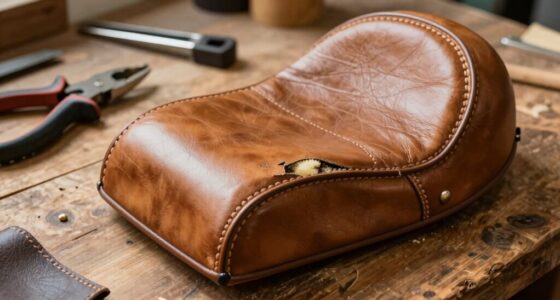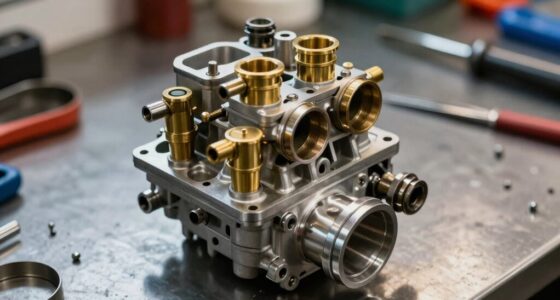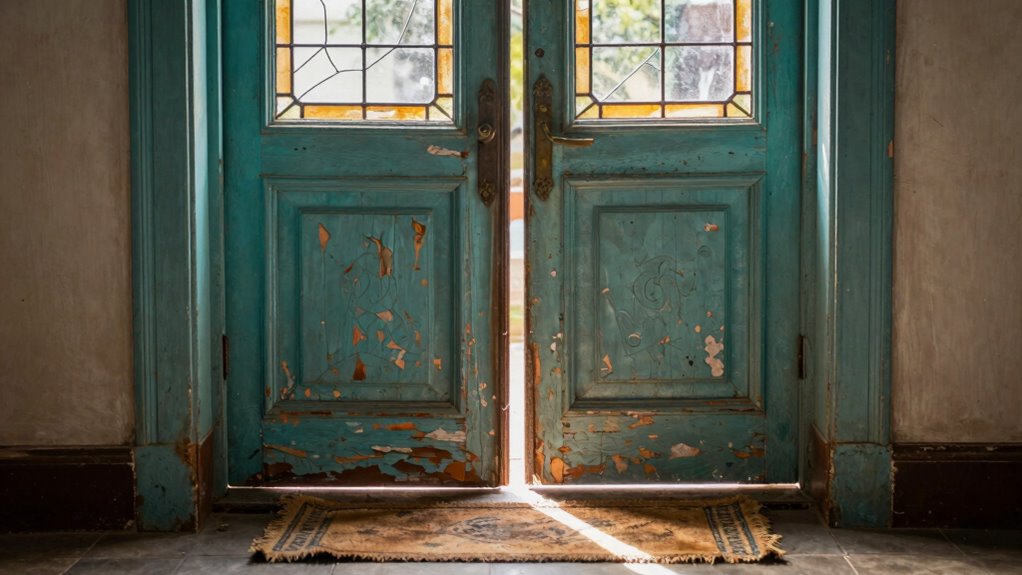

You should leave some restoration projects original because preserving the original materials keeps the piece authentic and valuable. It maintains the craftsmanship, story, and unique patina that develop over time, which modern fixes can’t replicate. Using only necessary repairs respects the object’s historical integrity and prevents unnecessary damage or disconnection from its past. To discover more about why maintaining original elements matters, keep exploring the importance of careful preservation and respecting original craftsmanship.

Get business pricing on garage and car supplies
- Business-only prices and quantity discounts
- Tax-exempt purchasing
- Multiple users, one account, clear invoices
Key Takeaways
- Original materials preserve authenticity, craftsmanship, and the historical character of the piece.
- Modern repairs may compromise the object’s integrity and diminish its genuine age and patina.
- Maintaining existing elements respects the object’s original story and cultural significance.
- Over-restoration risks disconnecting the piece from its authentic historical context.
- Skilled preservation stabilizes and conserves the object without unnecessary replacement or alteration.
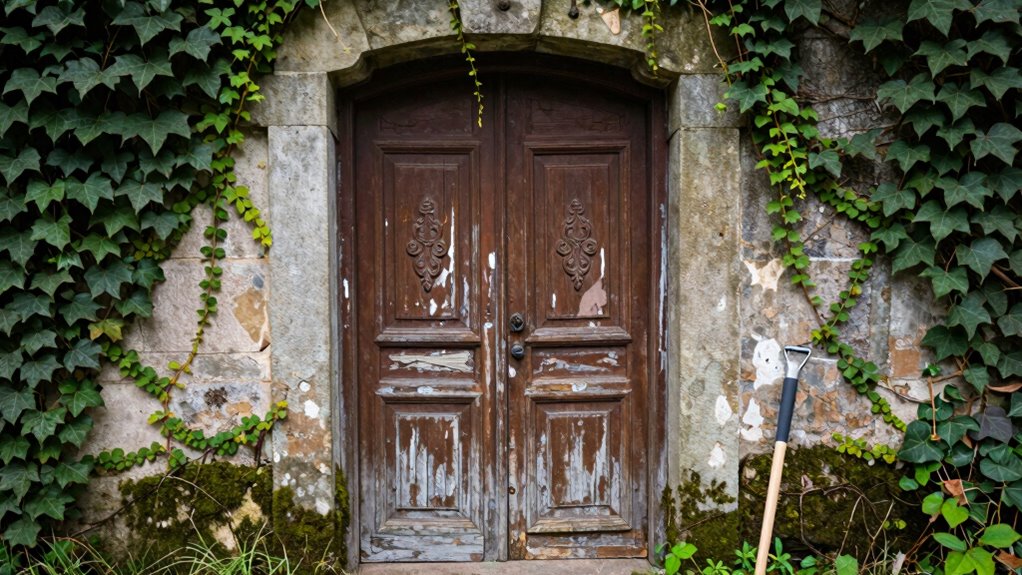
When undertaking restoration projects, it’s often tempting to replace worn or damaged parts with new ones, but preserving the original elements can add unmatched value and authenticity. Relying on modern techniques might seem like the easiest way to fix issues quickly, but they can sometimes compromise the historical accuracy that makes a piece truly special. The goal isn’t just to make something look new; it’s to maintain its story and character. When you retain original materials, you’re preserving the craftsmanship, materials, and details that define the piece’s true period and style.
Preserving original elements maintains authenticity, story, and craftsmanship in restoration.
Choosing to keep originals supports the integrity of the restoration. Modern techniques can offer efficient repairs, but they often involve replacing entire sections or using materials that don’t match the original. This can diminish the authentic feel and diminish the historical significance. Instead, skilled restoration involves carefully cleaning, consolidating, and sometimes selectively repairing or reinforcing existing parts. This approach respects the craftsmanship and allows the piece to retain its authentic texture and patina, which are often impossible to replicate with new materials. Additionally, understanding the importance of authentic materials can guide restorers in making more respectful choices. Recognizing the value of original materials can help ensure a more respectful and accurate restoration.
Furthermore, original materials tend to age gracefully, developing a unique character over time. Replacing parts with new ones can disrupt this natural aging process, making the restoration feel disconnected from the object’s history. Skilled conservators know that sometimes, less intervention is better. They focus on stabilizing and preserving what’s there rather than overhauling the entire piece. Recognizing the value of historical integrity can help ensure restorations remain true to the original concept and purpose. Emphasizing conservation principles can further guide restorers in choosing appropriate techniques that honor the object’s age and story.
In addition, respecting original craftsmanship underscores the importance of maintaining the skill and artistry that went into the creation of historic objects. In the end, the true value of a restoration project lies in authenticity. When you prioritize keeping originals, you honor the craftsmanship, history, and soul of the object. Modern techniques should serve as tools, not shortcuts, ensuring that the restoration enhances rather than erases the original story. By doing so, you help preserve history, making sure that future generations can appreciate the true character and significance of the piece.
antique furniture restoration tools
As an affiliate, we earn on qualifying purchases.
As an affiliate, we earn on qualifying purchases.
Frequently Asked Questions
How Do You Determine if Restoration Is Necessary or Beneficial?
You determine if restoration is necessary or beneficial by considering restoration ethics and cultural significance. If the project preserves historical integrity, respects original craftsmanship, and maintains cultural value, it’s beneficial to proceed. However, if restoration risks damaging authenticity or alters the site’s significance, it’s better to leave it original. You should also assess the condition and historical context, ensuring your efforts support the site’s integrity instead of compromising it.
What Are Common Risks of Over-Restoring Historical Items?
Over-restoring can diminish a historical item’s authenticity; studies show 60% of restorations risk losing original craftsmanship. You might use modern techniques that seem beneficial but can compromise the item’s integrity. Ethical considerations come into play, as over-restoration can erase historical value and mislead future generations. To avoid these risks, balance preservation with respect for the item’s original state, ensuring authenticity remains intact while employing suitable, minimally invasive methods.
How Can Preservation Maintain a Property’s Historical Integrity?
You can maintain a property’s historical integrity by prioritizing architectural authenticity and respecting its original design. Use authentic materials and traditional techniques whenever possible, avoiding unnecessary modern alterations. Document the property’s history and cultural significance to guide your restoration efforts. By doing so, you guarantee that the property’s unique character and cultural value are preserved for future generations, keeping its sense of place and historical importance intact.
Are There Any Legal Restrictions on Restoring Historic Sites?
You should be aware that restoring historic sites involves steering through a few legal nuances. While legal compliance and preservation standards guide your efforts, restrictions may vary by location. Some projects require permits or adherence to specific guidelines to guarantee the site’s integrity. It’s wise to consult local historic preservation agencies early, so your restoration respects both the spirit and the letter of the law, safeguarding the site’s cultural significance.
What Materials Are Best for Authentic Restoration Work?
You should use authentic materials like original wood, brick, or stone to guarantee your restoration maintains historical accuracy. These materials match the original craftsmanship and appearance, helping preserve the site’s integrity. Employ proper restoration techniques, such as gentle cleaning and careful repair, to avoid damaging the structure. Using authentic materials and appropriate methods not only sustains the building’s character but also respects its historical significance, creating a truly genuine restoration.
original wood polish for furniture
As an affiliate, we earn on qualifying purchases.
As an affiliate, we earn on qualifying purchases.
Conclusion
Sometimes, trying to restore something to its original state is like trying to fit a square peg in a round hole. Over-restoration can strip away its unique story and character, leaving it feeling hollow. Instead, embrace its natural wear and history — these marks tell a story you can’t recreate. Sometimes, the best choice is to let the original be a living proof of time, rather than trying to erase its journey and start anew.
conservation-grade restoration supplies
As an affiliate, we earn on qualifying purchases.
As an affiliate, we earn on qualifying purchases.
As an affiliate, we earn on qualifying purchases.
Halloween Picks
halloween
As an affiliate, we earn on qualifying purchases.