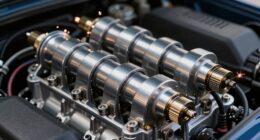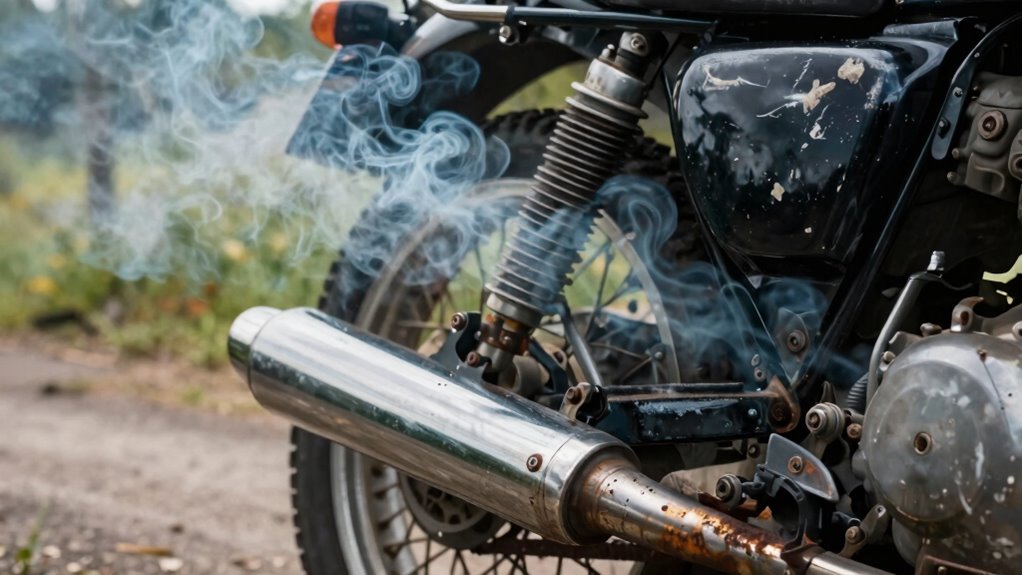

Exhaust smoke from your vintage bike can reveal a lot about its engine health. White smoke often signals coolant leaks or head gasket issues, while blue or grey indicates oil burning from worn piston rings or valve seals. Black smoke points to a rich fuel mixture or clogged air filters. Occasional white vapor on cold starts is normal, but persistent smoke requires attention. Keep exploring to understand how to diagnose and fix these common problems effectively.
Key Takeaways
- White smoke during startup often indicates coolant entering the combustion chamber due to head gasket or cylinder head damage.
- Blue or grey smoke suggests oil burning caused by worn piston rings, valve seals, or internal engine leaks.
- Black smoke points to a rich fuel mixture, often from clogged filters or carburetor issues, leading to soot and poor acceleration.
- External smoke sources like electrical wiring or oil spills can produce dark smoke unrelated to internal combustion problems.
- Regular engine inspections, tests, and maintenance help accurately diagnose smoke causes and prevent serious engine damage.
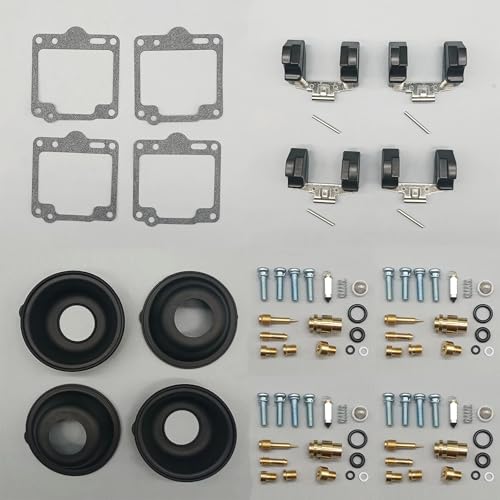
Carburetor Repair Kit for Suzuki GS550 GS550M GS550T GS550E GS550L 1980-1982 Diaphragm Float Replacement Parts
Model Compatibility:Designed to fit Suzuki GS550, GS550M, GS550T, GS550E, and GS550L motorcycles from 1980 to 1982, ensuring precise...
As an affiliate, we earn on qualifying purchases.
Identifying White Smoke and Its Causes
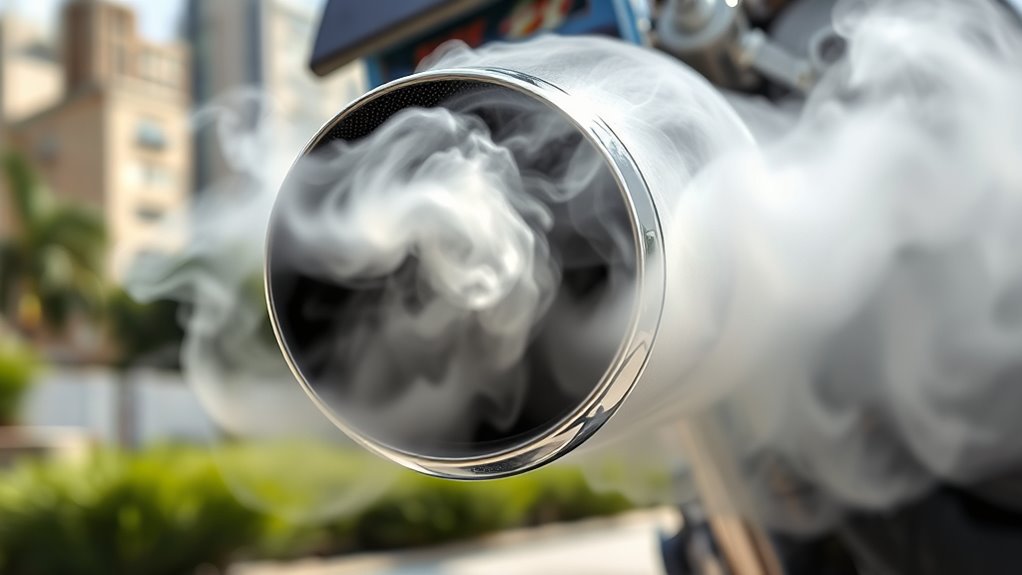
White smoke from your exhaust usually indicates coolant is entering the combustion chamber. When this happens, you’ll notice a thick, white vapor that often persists during startup and may continue while running. This is typically caused by a faulty head gasket, a cracked cylinder head, or damage to the cylinder deck near the coolant jacket. These issues allow coolant to leak into the combustion chamber, where it turns into vapor and exits through the exhaust. If you see this white smoke, it’s vital to inspect the engine for signs of overheating or coolant loss. Engine diagnostics can help pinpoint the exact cause of the problem, especially since improper sealing can also affect the contrast ratio of your engine’s cooling system. Understanding coolant flow is essential for diagnosing and maintaining proper engine operation. Proper ventilation considerations can also help in diagnosing and preventing engine overheating issues. Additionally, monitoring engine temperature with appropriate sensors can provide early warnings of coolant leaks. Ignoring these symptoms can lead to severe engine damage. Diagnosing the cause early helps you prevent costly repairs and keeps your vintage bike running smoothly.
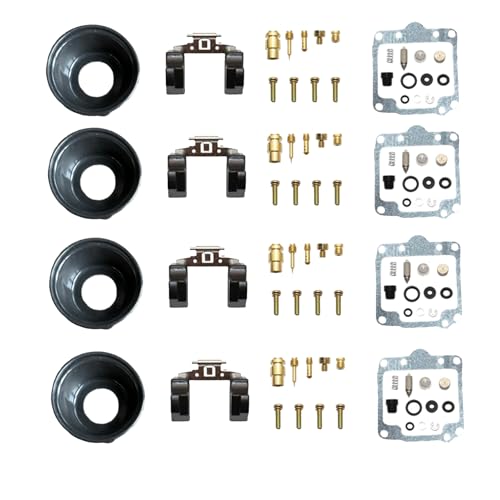
Generic allwelll Replacement for Suzuki GS1000 GS1000G GS1000GL 1980-1981 Carburetor Repair Kit Diaphragm Float
PACKAGE : Kits include all of the necessary components to repair a carburetor
As an affiliate, we earn on qualifying purchases.
Recognizing Blue or Grey Smoke and Potential Oil Leaks
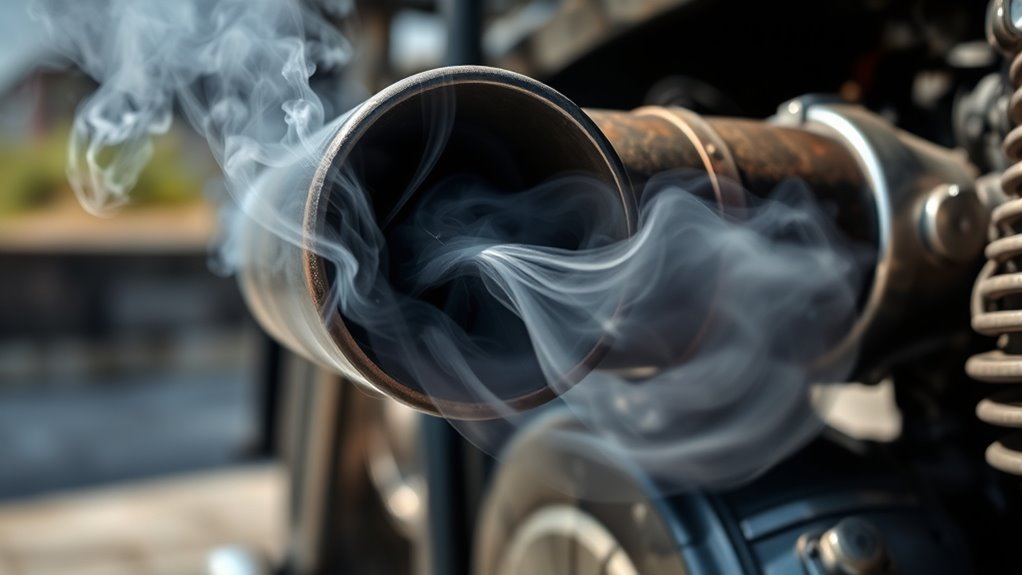
Blue or grey smoke often signals that your engine is burning oil, which can point to worn piston rings, damaged valve seals, or an issue with the PCV valve. When you see this smoke, it means oil is entering the combustion chamber and burning along with fuel. Worn piston rings allow oil to seep into the cylinders, while faulty valve seals let oil escape into the intake. A clogged or malfunctioning PCV valve can cause excessive pressure and oil leaks. You might notice oil consumption increasing or oil spots under your bike. To diagnose, check your spark plugs for oil fouling and inspect the valve seals and piston rings. Addressing these issues promptly prevents further engine damage and keeps your vintage bike running smoothly. Recognizing European cloud solutions and incorporating modern diagnostics can help prevent costly repairs. Additionally, understanding how sound vibrations influence engine components can aid in early detection of mechanical issues.

Carburetor Repair kit Carb Rebuild Kit Float and Diaphragm Fit for Suzuki GS1000 GS1000G GS1000GL 1980-1981
Carburetor Rebuild Kits fits for Suzuki GS1000 GS1000G GS1000GL 1980-1981.
As an affiliate, we earn on qualifying purchases.
Detecting Black Smoke and Fuel Mixture Issues

Have you noticed black smoke billowing from your exhaust? This usually indicates a rich fuel mixture—too much fuel and not enough air. First, check your air filter; a clogged filter restricts airflow, causing incomplete combustion. Clogged air filters can significantly impact engine performance and emissions. Next, inspect your carburetor or fuel injection system for leaks or improper tuning. Worn or improperly adjusted jets can flood the engine, leading to black smoke. Also, look for signs of fuel flooding, such as a strong smell of gasoline or engine sputtering. Ensuring proper air-fuel mixture is key to eliminating black smoke. Performing a visual inspection can help identify the root cause, and if needed, adjust the carburetor or clean/replacement of filters. Regular maintenance helps prevent these issues and keeps your vintage bike running smoothly, especially if you master your smartphone and accessories to stay informed about troubleshooting tips. Proper fuel mixture adjustments are essential for optimal engine performance and emission control. Additionally, verifying the condition of spark plugs can help ensure complete combustion and reduce smoke emissions.
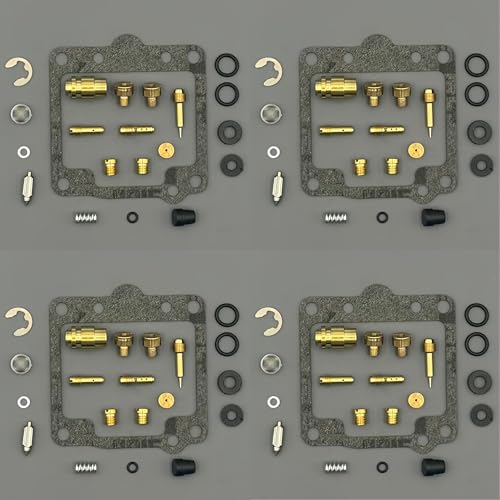
4 Sets Carburetor Rebuild Repair Kit Fit for Suzuki GS1100 GS1100E GS1100ES 1980-1983 Motorcycle Carb Repair Main Jet #160#170 Slow Jet #40#45
Perfect Fitment:Designed to fit Suzuki GS1100, GS1100E, and GS1100ES models from 1980-1983, ensuring proper compatibility and reliable carburetor...
As an affiliate, we earn on qualifying purchases.
The Significance of Occasional White Vapor on Cold Starts
When starting your motorcycle on a cold morning, it’s common to see a small amount of white vapor escaping from the exhaust. This vapor is mostly water produced by condensation in the exhaust system as it warms up. It’s usually harmless and disappears after a few minutes. Additionally, understanding best anime movies can be a fun way to enjoy your relaxation time after troubleshooting your bike. However, persistent or heavy white vapor even after warming up could indicate a coolant leak into the combustion chamber. Here’s a quick breakdown:
| Condition | Cause | Action |
|---|---|---|
| Occasional vapor on cold start | Water vapor from condensation | Normal, no action needed |
| Persistent vapor after warm-up | Coolant entering combustion | Inspect head gasket or cylinder |
| Heavy, continuous white smoke | Coolant leak or head gasket failure | Seek professional diagnosis |
| Vapor with sweet smell | Coolant in exhaust | Check for coolant system issues |
| Vapor that disappears quickly | Condensation, normal process | No concern, normal operation |
Understanding air & heat can also help in diagnosing potential engine issues related to temperature management and exhaust emissions. Proper engine cooling is essential for maintaining optimal performance and preventing white vapor from turning into visible smoke. Additionally, monitoring the color and persistence of exhaust vapor can provide clues about engine health and help in early detection of potential problems. Being aware of scam red flags in vehicle repairs can also prevent costly mistakes if your motorcycle exhibits abnormal exhaust behavior.
Mechanical Problems Behind Exhaust Smoke
Mechanical problems within the engine are common sources of exhaust smoke, often pointing to worn or damaged components that allow oil or coolant to enter the combustion chamber. Worn piston rings let oil seep in, producing blue or grey smoke. A blown or leaking head gasket can allow coolant to mix with fuel, resulting in white smoke. Damaged valve seals or excessive clearance between the valve stem and guide also cause oil burning and blue smoke. Cracked cylinder heads or decks introduce coolant leaks, leading to white smoke and possible overheating. Additionally, a faulty PCV valve can cause improper crankcase ventilation, allowing oil to enter the combustion chamber. Regular inspection and maintenance of engine components are essential to prevent these issues and eliminate smoke caused by internal mechanical failures.
Fuel and Air System Troubles Leading to Smoke

Issues in the fuel and air delivery systems often cause exhaust smoke that points to improper combustion. When these systems malfunction, they can produce black, white, or blue smoke, signaling specific problems. For example, a rich fuel mixture leads to black smoke, often from carburetor misadjustments or clogged filters. Insufficient air causes incomplete combustion, resulting in black smoke too. Excess fuel flooding the system can produce white smoke, indicating carb issues or fuel leaks. Oil entering the combustion chamber due to worn valve seals causes blue smoke. Here’s a quick overview:
| Smoke Color | Likely Cause | Common Symptoms |
|---|---|---|
| Black | Rich mixture | Poor fuel economy |
| White | Coolant leak | Overheating, white vapor |
| Blue/Gray | Oil burning | Engine oil consumption |
Diagnostic Techniques for Exhaust Smoke Analysis
To identify the cause of exhaust smoke, start with a visual inspection of the smoke color, which can reveal key issues like coolant or oil burning. Next, perform compression and leak tests to detect internal engine problems such as worn piston rings or blown head gaskets. Finally, check spark plugs and air filters for signs of contamination or restriction that could affect combustion and emissions. Additionally, assessing air quality in your garage or workspace can help you determine if environmental factors are contributing to the smoke. Understanding personality traits and how they influence your approach to maintenance routines can also help in diagnosing recurring issues and ensuring your vintage bike runs efficiently. Considering regular maintenance routines can also prevent many common exhaust issues and ensure your vintage bike runs smoothly.
Visual Smoke Color Inspection
Visual smoke color inspection is a quick and effective way to identify potential engine problems based on exhaust emissions. You examine the color of the smoke as it exits the tailpipe, which reveals specific issues. White smoke often signals coolant entering the combustion chamber, while blue or grey indicates oil burning. Black smoke points to a rich fuel mixture or air intake problems. Use this table to interpret what you see:
| Smoke Color | Possible Cause | Key Indicator |
|---|---|---|
| White | Coolant leak | Overheating, sweet smell |
| Blue/Grey | Oil burning | Blue tint, engine oil consumption |
| Black | Rich mixture | Soot, poor acceleration |
This simple visual check helps you prioritize further testing and repairs efficiently. Additionally, understanding the importance of using the right oil can prevent some of these issues by ensuring proper lubrication and reducing engine wear.
Compression and Leak Tests
Performing compression and leak tests provides a more detailed understanding of the engine’s internal condition when exhaust smoke indicates potential problems. A compression test measures the pressure in each cylinder, revealing worn piston rings, valve issues, or damaged cylinder walls that could cause blue or white smoke. Leak-down tests pinpoint where compression escapes—through valves, piston rings, or head gasket leaks—helping identify internal leaks that lead to oil burning or coolant intrusion. When you conduct these tests, listen for air escaping from the radiator or crankcase, which signals specific issues. Properly diagnosing these problems early prevents further damage. Additionally, inspecting the spark plugs afterward can confirm which cylinder is affected, guiding your repair strategy. Understanding the type of exhaust smoke—blue, white, or black—can help you identify the underlying cause more accurately engine diagnostics. These tests are essential for accurate diagnosis and effective repairs.
Spark Plug and Filter Checks
Have you checked your spark plugs and air filter lately? These components are key to proper combustion and can reveal the source of exhaust smoke. Remove your spark plugs and inspect their condition. Oil fouling or black soot indicates oil burning or a rich mixture, while white ash may suggest coolant leaks. Clean or replace plugs as needed. Next, check your air filter. A dirty or clogged filter restricts airflow, causing a rich mixture and black smoke. If it’s oily or heavily soiled, replace it immediately. Proper airflow and spark plug condition ensure prime combustion, reducing smoke issues. Regularly inspecting these parts helps catch problems early, preventing further engine damage and keeping your vintage bike running smoothly. Additionally, understanding artistic complexities can help in diagnosing intricate issues within your engine’s performance.
Non-Engine Sources of Smoke and Their Indicators

Sometimes, smoke isn’t caused by the engine itself but by other issues like electrical wiring or exhaust system leaks. Burning wires can produce dark, rubbery smoke, while damaged exhaust components may emit unusual fumes. External oil spills or contamination on hot parts can also create temporary smoke unrelated to combustion.
Electrical Wiring Smokes
Electrical wiring smokes can produce visible emissions that are often mistaken for engine-related exhaust but originate from electrical faults. When wiring insulation overheats or burns, it releases thick, dark smoke with a distinct rubber or plastic smell. This type of smoke typically appears near wiring harnesses, connectors, or electrical components that are under stress or damaged. You might notice a burning odor, melted insulation, or discoloration around wiring areas. Unlike exhaust smoke, electrical smoke rarely has color variations linked to engine conditions, and it often appears suddenly. Ignoring these signs can lead to electrical fires, so it’s vital to shut off the ignition immediately. Inspect wiring thoroughly, look for melted or frayed insulation, and replace damaged wiring to prevent further damage or hazards.
Exhaust System Leaks
Exhaust system leaks can introduce smoke that isn’t directly related to engine combustion, often resulting from cracks, holes, or damaged components in the muffler, resonator, or catalytic converter. These leaks may produce a faint or unusual smoke that indicates exhaust gases escaping before reaching the tailpipe. You might notice a burnt smell or see smoke emanating from areas along the exhaust pipe, especially near joints or welds. Cracks or holes can also cause a change in exhaust sound or reduce performance. Sometimes, the smoke is a sign of corrosion or rust damage. Identifying leaks early helps prevent further damage to the exhaust system and guarantees safe operation. Regular inspection for visible damage or unusual emissions can save you costly repairs later.
External Oil Contamination
External oil contamination can cause visible smoke that isn’t related to the engine’s internal combustion process. When oil leaks onto hot engine parts, it burns and produces smoke that appears outside the exhaust system. You might notice smoke billowing from leaks around the cylinder head, crankcase, or valve covers. Oil spills or drips on the exhaust pipe or muffler can also create temporary smoke as the oil burns off. These leaks often result from worn gaskets, seals, or damaged hoses that allow oil to escape. To diagnose, inspect your engine for oil spots, wet patches, or accumulated grime near seals and gaskets. Addressing external leaks involves tightening fittings, replacing worn gaskets, or sealing damaged hoses, preventing oil from contaminating hot surfaces and causing smoke unrelated to combustion.
Essential Maintenance to Prevent Exhaust Smoke
Regular maintenance is essential to prevent exhaust smoke and keep your engine running cleanly. Start by regularly checking and adjusting valve clearances to ensure proper sealing and combustion. Replace worn piston rings, valve seals, and gaskets promptly to stop oil leaks that cause blue or grey smoke. Keep your air filter clean or replace it if it’s clogged with dirt or oil; a clean filter guarantees proper airflow and combustion. Regularly inspect and repair the head gasket or cracked cylinder head to prevent coolant leaks that produce white smoke. Maintain proper carburetor or fuel injection tuning to avoid overly rich mixtures that cause black smoke. Finally, tighten bolts and replace damaged gaskets to prevent oil leaks and guarantee all engine components function at their best.
When to Seek Professional Repair for Your Vintage Bike

Knowing when to seek professional repair for your vintage bike is essential to prevent further damage and guarantee safety. If you notice persistent white, blue, grey, or black smoke that doesn’t clear after warm-up, it’s time to get expert help. Don’t ignore symptoms like overheating, loss of power, or unusual engine sounds, which can signal serious issues. If your bike’s exhaust produces smoke with a foul smell or smoke continues despite basic maintenance, a professional diagnosis is necessary. DIY repairs might not address underlying problems like head gasket leaks, worn piston rings, or valve seal damage. Visiting a qualified mechanic ensures accurate diagnosis and proper repairs, saving you time, money, and preventing potential breakdowns or engine failures.
Frequently Asked Questions
Can Exhaust Smoke Indicate Imminent Engine Failure?
Yes, exhaust smoke can signal imminent engine failure. If you notice persistent white, blue, or black smoke, it often indicates serious issues like coolant leaks, oil burning, or rich fuel mixtures, which can damage engine components over time. Ignoring these signs might lead to more severe problems, like engine overheating or piston damage. Address the problem promptly by diagnosing the source and performing necessary repairs to prevent further engine deterioration.
How Does Ambient Temperature Affect Smoke Color Diagnosis?
Think of ambient temperature like the weather’s mood influencing your bike’s signals. On cold mornings, white vapor is like your bike’s breath in winter — normal until it warms up. But if smoke persists as temperatures rise, it’s a sign your engine’s trying to tell you something’s off. Cold snaps can mask issues or make normal vapor seem abnormal. Always consider temperature to accurately read what your exhaust smoke reveals about your engine’s health.
Is It Safe to Ride a Bike Emitting Smoke?
You shouldn’t ride a bike that’s emitting smoke, especially if it’s persistent or changing color. Smoke indicates potential engine problems like oil leaks, coolant intrusion, or rich fuel mixtures, which can cause further damage or failure if you keep riding. Instead, stop and inspect the bike. Address the issue promptly to avoid costly repairs or breakdowns. Riding with smoke risks your safety and the bike’s longevity.
Can Old Fuel Cause Persistent Black Smoke?
Yes, old fuel can cause persistent black smoke. When fuel degrades over time, it doesn’t burn properly, leading to a rich mixture that produces black smoke from your exhaust. This incomplete combustion also results in poor engine performance and increased emissions. To fix this, drain the old fuel, clean your carburetor or fuel system, and refill with fresh fuel. Proper maintenance helps prevent black smoke caused by stale fuel.
How Often Should I Perform Exhaust System Inspections?
You should inspect your exhaust system at least every 3,000 to 5,000 miles or during regular maintenance intervals. If you notice unusual smoke, strange odors, or decreased performance, check it sooner. Regular inspections help identify leaks, corrosion, or damage early, preventing costly repairs. Keep an eye on the muffler, catalytic converter, and exhaust pipes, and always follow your bike’s maintenance schedule for ideal performance and safety.
Conclusion
By paying close attention to your vintage bike’s exhaust smoke, you can catch issues before they turn into a full-blown kaboom. Recognize the signs—white, blue, grey, or black—and act accordingly, whether it’s a simple tune-up or a trip to the mechanic. Remember, keeping your ride in tip-top shape now will save you from a mechanical fiasco later. After all, even in the age of steam, a well-maintained engine keeps chugging along smoothly.