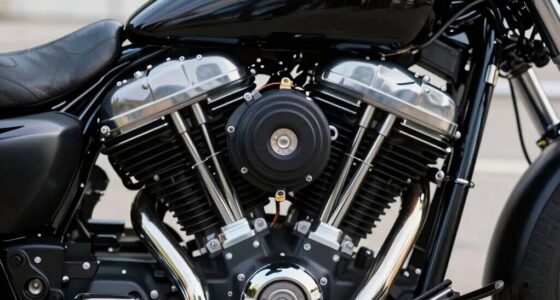
To choose an intake kit without hurting rideability, you should first guarantee it’s compatible with your engine type, size, and model year. Consider how easy it is to install—opt for kits suited to your skill level or be ready to seek professional help if needed. Focus on airflow efficiency and performance gains that match your driving style. Proper fit and installation are key to avoiding rough idling or reduced comfort. Keep exploring to learn how to make the best choice for your vehicle.

Get business pricing on garage and car supplies
- Business-only prices and quantity discounts
- Tax-exempt purchasing
- Multiple users, one account, clear invoices
Key Takeaways
- Ensure the intake kit is compatible with your engine’s make, model, and year to maintain optimal performance.
- Evaluate installation complexity and choose a kit suited to your DIY skill level or seek professional help if needed.
- Prioritize kits that improve airflow efficiency without requiring extensive modifications that could affect ride comfort.
- Research performance gains and vehicle compatibility to avoid negative impacts on fuel economy or drivability.
- Verify that the installation process preserves existing sensors and components to prevent rough idling or engine issues.
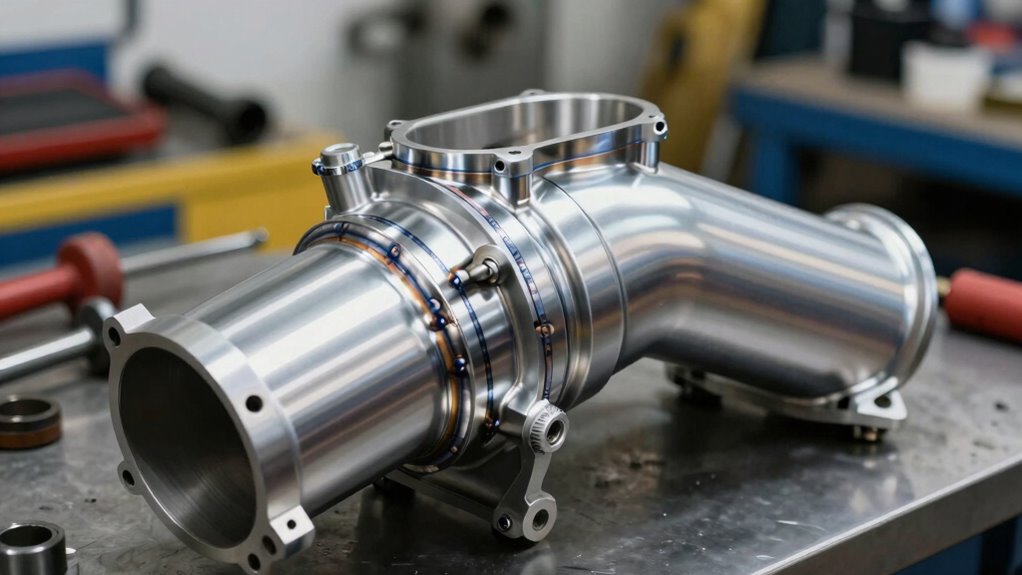
Are you looking to boost your vehicle’s performance and sound? Choosing the right intake kit can make a noticeable difference, but it’s vital to do it without sacrificing rideability. The first thing to take into account is engine compatibility. Not all intake kits fit every vehicle, so you need to double-check whether the kit you’re eyeing matches your engine type, size, and model year. Some kits are designed specifically for certain engines, ensuring maximum efficiency and avoiding potential issues like poor fitment or performance loss. Ignoring this step can lead to installation headaches or, worse, damage to your engine. Take the time to research and verify compatibility before making a purchase.
Next, think about the installation complexity. Some intake kits are straightforward, designed for DIY installation with minimal tools, while others require more advanced skills and possibly professional help. If you’re comfortable with basic mechanical work, a simple bolt-on kit might be ideal, letting you upgrade without much fuss. However, if the installation involves removing parts, modifying ducts, or dealing with sensors and wiring, it may get complicated. Remember, a complicated install can sometimes impact your rideability—if not done right, it could cause issues like rough idling, check engine lights, or reduced fuel efficiency. It’s worth pondering whether you’re confident in handling such tasks or if you should seek expert assistance to ensure everything’s installed correctly. Additionally, understanding engine compatibility can help you make a more informed choice that won’t compromise your vehicle’s performance or comfort. Moreover, considering installation difficulty and your skill level can prevent potential setbacks during the upgrade process. Furthermore, researching airflow efficiency can help you select a kit that offers optimal performance without sacrificing rideability, ensuring a balanced driving experience. Also, evaluating performance gains can help you find a kit that aligns with your driving goals and expectations.
vehicle intake kit compatible with [your vehicle make and model]
As an affiliate, we earn on qualifying purchases.
As an affiliate, we earn on qualifying purchases.
Frequently Asked Questions
Will a High-Performance Intake Reduce My Fuel Economy?
A high-performance intake can slightly reduce your fuel efficiency because it often encourages you to drive more aggressively, seeking those performance gains. However, if you maintain a steady driving style and don’t push the throttle excessively, you can minimize this impact. Keep in mind that the main goal is balancing performance gains with fuel economy, so choose an intake kit that suits your driving habits and priorities.
Are Aftermarket Intake Kits Legal for Street Use?
Aftermarket intake kits are generally legal for street use, but you need to check local laws and regulations. Make sure the kit complies with legal standards, such as emissions requirements and aftermarket regulations specific to your area. Some kits might have CARB (California Air Resources Board) approval, which is essential for street legality in California and other states with strict emissions laws. Always verify compliance before installation to avoid fines or issues during inspections.
How Noisy Will the Intake Sound After Installation?
The intake noise after installation can be as loud as a thunderclap, depending on your kit choice. You’ll notice increased sound levels, especially during acceleration, with a deep, aggressive growl that turns heads. Some kits produce a subtle hum, while others amplify intake noise for a more pronounced sound. Consider your preference for sound levels when selecting your intake kit to make certain it matches your desired balance of performance and noise.
Can an Intake Kit Cause Engine Damage?
An intake kit can cause engine damage if it bypasses proper air filtration or disrupts engine cooling. Poor-quality kits may allow debris into your engine, risking damage, while inadequate airflow can lead to overheating. To prevent these issues, choose an intake kit that maintains effective engine cooling and offers high-quality filtration. Proper installation ensures your engine stays protected, performs well, and remains durable over time.
Is Professional Installation Necessary for Optimal Results?
Think of installing an intake kit as your modern-day “knights in shining armor,” but it’s best to leave it to professionals for maximum results. DIY installation might save a buck, but it can jeopardize your warranty and lead to mistakes that hurt rideability. A professional ensures proper fit, avoids damage, and keeps your warranty intact, giving you peace of mind and peak performance without unnecessary hassle.
easy install cold air intake kit
As an affiliate, we earn on qualifying purchases.
As an affiliate, we earn on qualifying purchases.
Conclusion
As you install your new intake kit, imagine the thrill of each breath your engine takes—like a gust of invigorating mountain air filling your lungs on a crisp morning. When you choose wisely, your ride remains smooth and responsive, like a dance partner in perfect harmony. Embrace the journey of tuning and testing, knowing that your decision shapes not just performance, but the very soul of your drive. Drive confidently, and let every mile be a gust of fresh air.
performance air intake system for cars
As an affiliate, we earn on qualifying purchases.
As an affiliate, we earn on qualifying purchases.
high airflow intake kit for engine
As an affiliate, we earn on qualifying purchases.
As an affiliate, we earn on qualifying purchases.
Halloween Picks
halloween
As an affiliate, we earn on qualifying purchases.