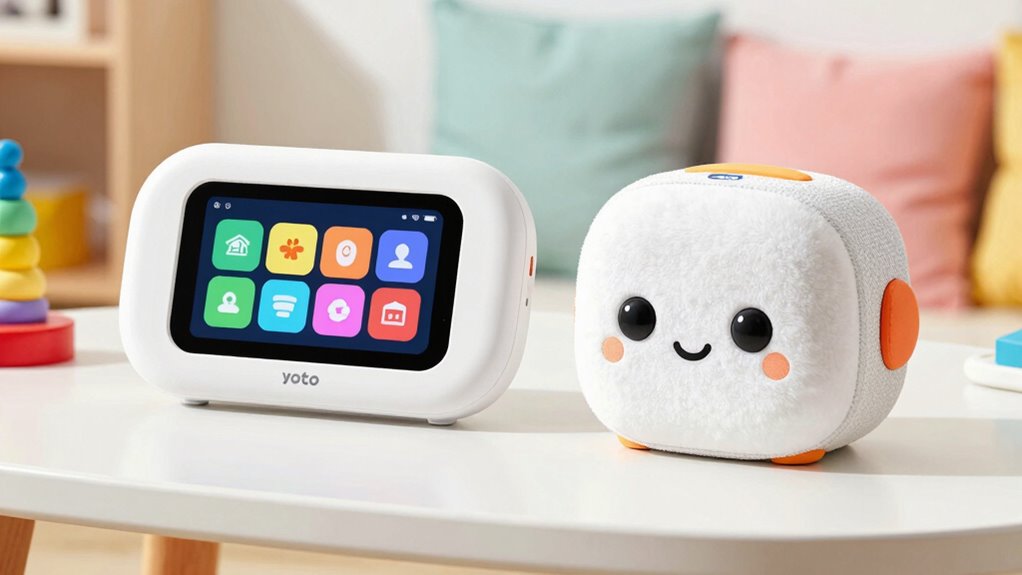

Choosing between the Yoto Player and Toniebox often comes down to how your child will use it and what features matter most. The Yoto Player (3rd Gen) excels as a versatile, screen-free device with long battery life, ideal for older kids who enjoy a multi-functional toy with nightlight and thermometer. The Toniebox, on the other hand, is renowned for its durability, simple physical interface, and extensive library of figurines, making it a favorite for younger children and portable use. The Yoto Mini models offer ultra-portable options with a focus on travel, but they require physical cards for content, which can be a limitation. Understanding these differences helps in selecting the best fit for your child’s age, needs, and your preferences for ease of use, content control, and portability.

Get business pricing on garage and car supplies
- Business-only prices and quantity discounts
- Tax-exempt purchasing
- Multiple users, one account, clear invoices
Complete the kit



Key Takeaways
- The Yoto Player (3rd Gen) provides a multi-purpose, long-lasting, screen-free experience with physical controls and parental app management.
- Toniebox is built for durability and simplicity, with an ever-growing figurine library ideal for younger kids and outdoor use.
- Yoto Mini models prioritize portability and travel-friendly features but rely heavily on physical audio cards, which can add to ongoing costs.
- Content access varies: Yoto requires purchasing physical cards or digital content, while Toniebox uses figurines for access, influencing content expansion and cost.
- Choosing depends on whether you prioritize versatility and control (Yoto) or durability and ease (Toniebox).
| Yoto Player (3rd Gen) – Kids Audio Player, Screen-Free, Ages 3-12 |  | Best Overall for Versatility and Safety | Audio Output Mode: Stereo | Mounting Type: Tabletop | Enclosure Material: Plastic | VIEW ON AMAZON | See Our Full Breakdown |
| Yoto Mini (2024 Edition) – Kids Travel Audio Player, Screen-Free, Ages 3-12 |  | Best for Portable, On-the-Go Listening | Battery Life: Up to 14 hours | Display: Pixel display | Connectivity: App control | VIEW ON AMAZON | See Our Full Breakdown |
| Yoto Player (3rd Gen) + Starter Pack for Little Kids Bundle |  | Best for Multi-Function Home Use | Battery Life: Up to 16 hours | Display: Pixel display | Connectivity: Bluetooth, Wi-Fi | VIEW ON AMAZON | See Our Full Breakdown |
| Yoto Mini (2024 Edition) + Starter Pack for Little Kids Bundle |  | Best for Young Children Starting Out | Weight: 160 g | Display Technology: Pixel display | Connectivity Technology: Bluetooth | VIEW ON AMAZON | See Our Full Breakdown |
| yoto player vs toniebox review | Battery Life | Internal Memory | Display | Connectivity |
|---|---|---|---|---|
| Yoto Player | Up to 24 hours | 32GB | — | — |
| Yoto Mini | Up to 14 hours | — | Pixel display | App control |
| Yoto Player | Up to 16 hours | 32GB | Pixel display | Bluetooth, Wi-Fi |
| Yoto Mini | — | — | — | — |
More Details on Our Top Picks
Yoto Player (3rd Gen) – Kids Audio Player, Screen-Free, Ages 3-12
The Yoto Player (3rd Gen) stands out for its multi-purpose design, offering not just audiobooks and music but also a nightlight, room thermometer, and alarm clock. Its screen-free, ad-free setup with physical controls makes it especially safe for children. Compared with the Toniebox, the Yoto’s longer battery life and extensive offline storage mean kids can enjoy content for hours without needing a Wi-Fi connection. However, content must be purchased separately as Yoto Cards, which can add up over time. The plastic enclosure is sturdy but may not withstand rough handling as well as the Toniebox’s rubberized exterior.
Pros:- Screen-free, ad-free, with no cameras or microphones for safety
- Multi-purpose functions including nightlight and thermometer
- Large 32GB internal memory with over 600 hours offline listening
- Easy to control with physical dials and app-based parental controls
Cons:- Content requires purchase of physical Yoto Cards or digital downloads
- Plastic enclosure may be less durable for rough handling
- Somewhat higher ongoing costs for content
Best for: Parents seeking a versatile, long-lasting device for children aged 3-12 with comprehensive parental controls.
Not ideal for: Families looking for ultra-durable, portable devices for outdoor use or those preferring a simple figurine-based system.
- Audio Output Mode:Stereo
- Mounting Type:Tabletop
- Enclosure Material:Plastic
- Speaker Size:4.37 inches
- Internal Memory:32GB
- Battery Life:Up to 24 hours
Our verdict“Ideal for families wanting a safe, multi-functional device with long battery life and offline capabilities.”
Yoto Mini (2024 Edition) – Kids Travel Audio Player, Screen-Free, Ages 3-12
The Yoto Mini (2024 Edition) is designed for portability, making it perfect for travel, quiet car rides, or quiet time away from home. Its compact size and 14-hour battery life make it a convenient companion for children on the move. Like the larger Yoto, it relies on physical audio cards for content, which can be a drawback if families want instant access to a broad library without additional purchases. Its limited features—no display or additional functions—mean it’s mostly a dedicated audio device, but it excels in simplicity and durability for active children.
Pros:- Highly portable, lightweight, and travel-ready
- Long battery life for extended outings
- Safe, screen-free entertainment with physical cards
- Simple to operate with physical cards and app control
Cons:- Limited to audio content—no visual or interactive features
- Dependent on physical cards, which can be lost or require purchase
- No additional functions beyond audio playback
Best for: Travel-loving families or parents seeking a straightforward, portable audio device for children 3-12.
Not ideal for: Those who want a device with a screen, integrated functions like thermometers, or digital content streaming.
- Battery Life:Up to 14 hours
- Display:Pixel display
- Connectivity:App control
- Supported Media:Audio cards
- Age Range:3-12+
Our verdict“Best suited for families prioritizing portability and durable, screen-free entertainment during travel.”
Yoto Player (3rd Gen) + Starter Pack for Little Kids Bundle
This Yoto Player (3rd Gen) bundle offers a comprehensive experience with a starter pack that includes preschool songs, stories, and activities. It combines the core features of the Yoto Player—large display, long battery life, and multi-purpose functions—making it a flexible choice for families with younger kids. Its physical controls and safety features are designed for home use, but it’s less portable than the Mini models, and content expansion relies on purchasing additional Yoto Cards. The device’s larger size and the need for careful handling make it less suited for outdoor adventures.
Pros:- Multi-purpose with nightlight, thermometer, alarm, and sleep sounds
- Large, vivid pixel display for visual engagement
- Extended playback up to 16 hours
- Includes starter content for immediate use
Cons:- Requires purchase of additional Yoto Cards for more content
- Not waterproof or rugged for outdoor use
- Larger form factor less portable
Best for: Families wanting a full-featured, multi-purpose device for home use with younger children.
Not ideal for: Parents seeking a highly portable, travel-focused device or those wanting a simple figurine system.
- Battery Life:Up to 16 hours
- Display:Pixel display
- Connectivity:Bluetooth, Wi-Fi
- Internal Memory:32GB
- Control Method:App, Touch
Our verdict“Great for home use and younger children who benefit from a multi-functional, engaging device.”
Yoto Mini (2024 Edition) + Starter Pack for Little Kids Bundle
The Yoto Mini (2024 Edition) with starter pack offers a compact, child-friendly design with parental controls and an extensive library of audio cards suitable for preschoolers. Its portability makes it ideal for car rides, traveling, and quiet time, though it depends heavily on physical cards for content, which may incur additional costs. Its limited battery life of 14 hours means it’s better suited for shorter outings or daily use rather than all-day adventures. It’s a safe, simple device, but not designed for rugged outdoor play.
Pros:- Child-friendly, parental controls, and safe content
- Expandable with a large library of audio cards
- Portable and lightweight for travel or daily use
- Includes a starter pack with preschool content
Cons:- Limited to audio content only
- Requires ongoing purchase of audio cards
- Battery life of 14 hours may be limiting for longer days
Best for: Parents of preschoolers seeking a portable, safe, and expandable audio system with content suited for early childhood.
Not ideal for: Families wanting a device with a digital library or a focus on visual or interactive content.
- Weight:160 g
- Display Technology:Pixel display
- Connectivity Technology:Bluetooth
- Supported Media Type:Audio cards
- Additional Features:Parental controls, sleep sounds
Our verdict“Best for young children and families wanting a portable, safe, and expandable audio device for everyday use.”

How We Picked
To evaluate these devices, I examined core features like audio quality, safety, portability, and content management. I prioritized devices with physical controls, long battery life, and safety features suitable for children aged 3-12. I compared user reviews, specifications, and content ecosystems, especially focusing on the tradeoffs between physical media and digital content. Durability, ease of use, and parental controls were key factors. My goal was to identify options that balance safety, engagement, and value for different family needs, highlighting where each device excels or falls short.
| yoto player vs toniebox review | Battery Life | Connectivity |
|---|---|---|
| Yoto Player | Up to 24 hours | — |
| Yoto Mini | Up to 14 hours | App control |
| Yoto Player | Up to 16 hours | Bluetooth, Wi-Fi |
| Yoto Mini | — | — |
Factors to Consider When Choosing Yoto Player Vs Toniebox Review
Deciding between a Yoto device and a Toniebox depends on your child’s age, your preferences for content control, portability, and durability. Both offer screen-free, safe entertainment, but they cater to different needs. Here’s how to evaluate which fits your family best.
Age and Usage Context
The Yoto Player (3rd Gen) and Yoto Mini are better suited for children who can handle physical cards and enjoy multi-purpose features like alarms, thermometers, and nightlights. They excel for use at home or travel, especially for children who benefit from longer battery life and offline listening. Conversely, the Toniebox system, which relies on durable figurines, is ideal for younger kids or families seeking a super-durable, simple-to-use device for outdoor or active use.
Content Management and Library
Yoto devices require purchasing physical cards or digital downloads, making ongoing content costs a factor. This setup appeals to families who enjoy selecting specific stories or music and value control over what their children listen to. Toniebox uses figurines to unlock content, with an expanding library of characters, often representing beloved stories or themes, which makes content browsing more tactile and intuitive but potentially limiting if your child outgrows certain characters or desires specific stories.
Portability and Durability
The Yoto Mini models shine for portability, especially for travel, with compact size and long battery life. They are lightweight but depend on physical cards, which can be lost. The Toniebox is built with a rubberized exterior, making it more rugged, suitable for outdoor adventures, and simple for younger children to operate without screens. The larger Yoto Player and bundles are better for stationary use at home.
Safety and Ease of Use
Both systems prioritize safety, avoiding screens, cameras, or microphones. The Yoto Player offers physical controls, an app for parental oversight, and no ads, making it a safe choice for tech-averse parents. The Toniebox features a one-touch figurine system, which is incredibly simple but less flexible for content customization. Consider your child’s age and your comfort level with digital versus physical media when choosing.
Frequently Asked Questions
Are Yoto and Toniebox devices safe for young children?
Yes, both the Yoto and Toniebox systems are designed with safety in mind, avoiding screens, cameras, or microphones. They focus on physical controls or figurines, which limit digital exposure and reduce risks associated with online content. This makes them suitable for children as young as three, provided parents supervise content and usage.
Can I add my own content to these devices?
Yoto devices allow you to purchase and load your own audio content via physical Yoto Cards or digital downloads, giving some flexibility. Toniebox, on the other hand, relies on figurines to access preloaded or purchased content through their ecosystem. Neither device supports user-uploaded content directly, so content management depends on their respective platforms and libraries.
Which device is better for travel?
The Yoto Mini models are clearly designed for portability, with compact size and long battery life, making them ideal for travel and outdoor use. The Toniebox is more durable and simple but bulkier, making it less convenient for on-the-go use. If travel is a priority, the Yoto Mini offers a clear edge.
Do these devices support Wi-Fi streaming?
Both devices can connect to Wi-Fi for content updates and app control, but they do not primarily stream content over the internet. Yoto relies on downloaded content or physical cards, while Toniebox downloads content to the device via Wi-Fi. Neither is designed for continuous streaming, emphasizing offline playback for safety and reliability.
Are these devices suitable for outdoor use?
The Toniebox is generally more durable due to its rubberized exterior, making it better suited for outdoor or active environments. The Yoto devices, especially the standard Yoto Player, are less rugged and more vulnerable to damage unless used in protected areas. The Yoto Mini is portable but still should be kept away from water and rough handling.
Conclusion
Families with younger children or those seeking a simple, durable, and fuss-free device may prefer the Toniebox, especially for outdoor or travel use. Parents who want a more versatile, control-rich experience with longer offline listening and additional features should consider the Yoto Player (3rd Gen). If portability and travel are key, the Yoto Mini models are excellent options, though they come with ongoing content costs. Ultimately, your choice hinges on balancing content flexibility, durability, portability, and safety features based on your child’s age and your family’s needs.
Halloween Picks
halloween
As an affiliate, we earn on qualifying purchases.