
TL;DR

Get business pricing on garage and car supplies
- Business-only prices and quantity discounts
- Tax-exempt purchasing
- Multiple users, one account, clear invoices
A well-known classic car museum is shutting down because there are no longer enough skilled mechanics to repair carburetors. The decline of traditional repair skills threatens vintage car preservation.
A historic classic car museum is closing its doors after announcing it cannot find enough skilled mechanics to service carburetors. The closure highlights a broader decline in traditional automotive repair skills, threatening the preservation of vintage vehicles. The museum’s collection is now for sale, marking a significant moment in automotive history preservation efforts.
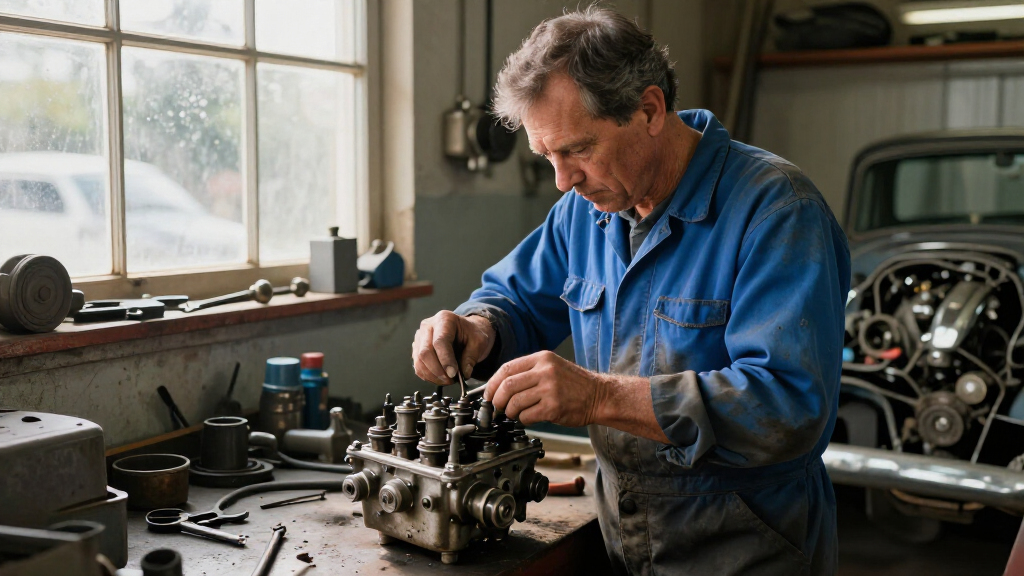
The Classic Car Heritage Museum in Ohio revealed that it will cease operations by the end of this year because it cannot recruit technicians capable of maintaining and repairing carburetors, a critical component in many pre-1980s vehicles. The museum’s director stated that the decline in available expertise stems from the shrinking number of mechanics trained in traditional carburetor work, which is increasingly considered a specialized skill.
According to sources familiar with the situation, the museum has struggled to find qualified workers over the past two years. Many experienced carburetor specialists have retired or moved on, and fewer new technicians are learning these skills due to the decline of carburetor repair in modern automotive training. The museum’s collection, which includes dozens of vintage cars mostly from the 1950s and 1960s, is now listed for sale to fund preservation efforts and to cover operational costs.
Industry experts note that carburetors, once a standard component in gasoline engines, have been largely phased out in favor of electronic fuel injection systems. This technological shift has led to a decline in the workforce capable of maintaining traditional carburetor systems, a trend that is now impacting institutions dedicated to vintage vehicle preservation.
Implications for Vintage Car Preservation
The closure of the museum underscores a broader challenge in preserving automotive history. As traditional repair skills disappear, maintaining vintage vehicles becomes increasingly difficult and expensive. This trend risks creating a gap in the knowledge needed to keep classic cars operational, potentially leading to the loss of historic vehicles that cannot be restored or driven without specialized carburetor work.
Moreover, the museum’s shutdown exemplifies how technological evolution in the automotive industry directly impacts the preservation community. The decline of carburetor expertise not only affects museums but also private collectors and restoration shops that rely on these skills to maintain authentic vintage vehicles.
Products Worth Considering

Chemical Guys 10-Piece Car Wash Kit with Foam Gun

Milwaukee M18 FUEL Automotive Combo Kit, 1/2-Inch High-Torque and 3/8-Inch Impact Wrenches

Chemical Guys 14-Piece Arsenal Builder Car Wash Kit with Foam Blaster
As an affiliate, we earn on qualifying purchases.
Decline of Carburetor Skills in Modern Auto Repair
Carburetors, which regulate the air-fuel mixture in older gasoline engines, were the standard technology until the late 20th century. During the 1980s and 1990s, they were gradually replaced by electronic fuel injection systems, which offered better efficiency and lower emissions. As a result, training programs and apprenticeship opportunities for carburetor repair have diminished significantly over the past two decades.
According to automotive historians, the decline accelerated in the early 2000s when automakers began phasing out carburetors entirely. Today, most new mechanics are trained primarily on modern fuel injection systems, with little to no exposure to carburetor work. This shift has led to a shrinking pool of specialists capable of servicing vintage engines that still rely on carburetors.
The trend is reflected in search interest and coverage spikes around vintage car restoration and carburetor repair, although these signals remain unconfirmed as widespread industry shifts. The museum’s decision to sell its collection highlights the tangible consequences of this skills gap.
Extent of Skills Shortage and Future Impact
It is not yet clear how widespread the decline of carburetor repair skills is across the industry or how many other institutions may face similar closures. The full economic and preservation impact remains uncertain, as some private restoration shops may still have access to experienced technicians or alternative solutions.
Next Steps for Vintage Car Preservation Efforts
The museum’s collection is now for sale, with potential buyers expected to include private collectors and restoration specialists. Industry groups are calling for renewed training programs focused on traditional skills, but it is unclear whether such initiatives will gain traction. Preservation advocates warn that without action, many vintage vehicles may become impossible to restore authentically.
Key Questions
Why are carburetors becoming so rare?
Carburetors have been phased out of modern vehicles in favor of electronic fuel injection, leading to fewer technicians trained in their repair and maintenance. This technological shift has made carburetor work a specialized skill that is now increasingly scarce.
Will the museum reopen if they find skilled workers?
It is not yet clear if the museum will reopen or continue to operate in some capacity if they manage to recruit qualified carburetor specialists. Currently, the closure is driven by the inability to find such workers.
How does this affect vintage car owners?
Owners of vintage cars that rely on carburetors may face increased costs and difficulty in maintenance and restoration, especially if specialized skills continue to decline industry-wide.
Are there efforts to preserve carburetor repair skills?
Some industry groups and educational programs are beginning to recognize the importance of traditional skills, but widespread initiatives are still in development. The closure of this museum highlights the urgency of such efforts.
Source: rss