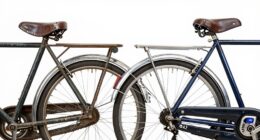

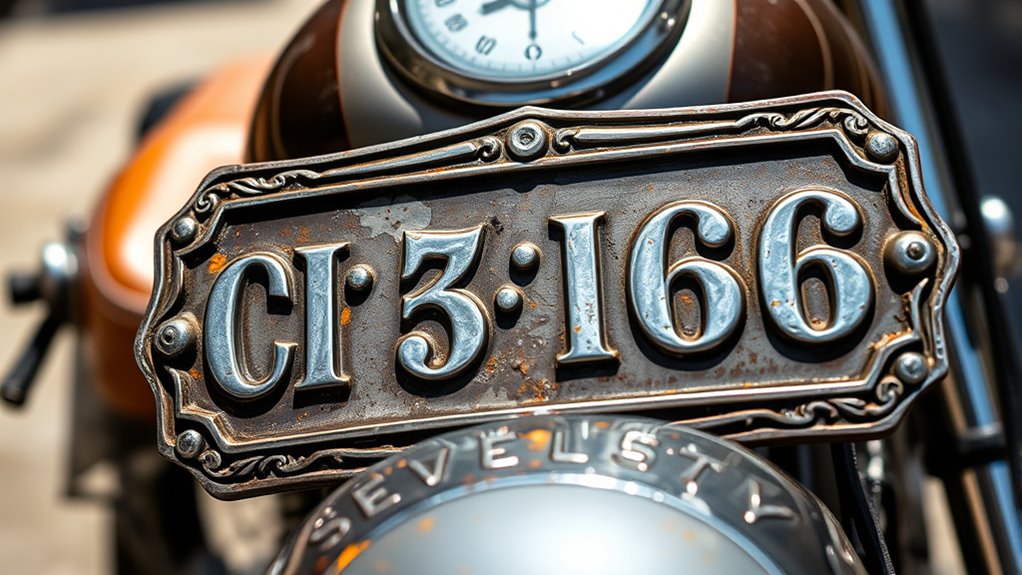
Antique plates can add authentic vintage charm to your classic bike, making it stand out and boosting its value. However, they come with challenges like delicate conditions and potential legal restrictions, which may require expert restoration and careful handling. While they offer a unique aesthetic and nostalgic appeal, improper care or repairs can reduce their worth. To navigate these pros and cons effectively, there’s more to contemplate below that can help you make the best choice.
Key Takeaways
- Special antique plates enhance the aesthetic appeal and authenticity of classic bikes, increasing their collectible value.
- Restoring or replacing antique plates requires skill to avoid damaging the bike’s originality and value.
- Properly restored plates preserve the bike’s historical integrity, but improper repairs can diminish value.
- Legal considerations may restrict the use of vintage plates on street-legal bikes, requiring careful compliance.
- Using authentic antique plates can increase the bike’s desirability but may involve higher costs and restoration challenges.
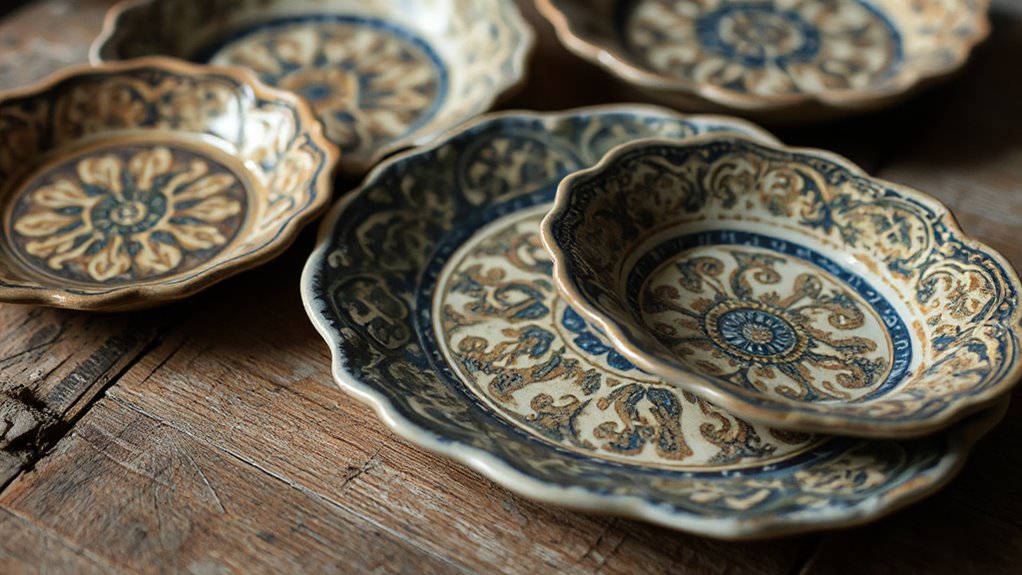
Are antique plates worth adding to your collection or display? If you’re considering investing in these vintage pieces, it’s essential to understand both the challenges and the responsibilities involved. One of the main issues you’ll encounter is restoration difficulties. Over time, antique plates often develop chips, cracks, or fading glaze, and restoring them isn’t always straightforward. Restoration requires skill, patience, and the right materials to avoid diminishing their value or damaging their authenticity. You might think a quick fix could enhance their appearance, but improper repairs can lead to further deterioration or reduce the plate’s collectible worth. Consequently, if you’re not experienced with antique restoration, it’s wise to consult a professional. They can help preserve the integrity of the piece while making necessary repairs, ensuring that your collection remains both beautiful and valuable. Additionally, understanding the legal considerations surrounding antique plates is crucial to avoid inadvertent violations that could jeopardize your ownership rights or lead to legal penalties.

ZIPPBATTERY YTX12-BS 12V 180 CCA AGM – Maintenance-Free 10Ah Battery for ATV, Motorcycle, Scooter, Jet Ski – T3 Nut & Bolt Terminal – Fits Honda CBR600, Yamaha V-Star 1100, Polaris Sportsman 400
YTX12-BS absorbent glass mat battery; rechargeable battery that fits in a variety of applications; Dimensions: L(5.91in) x W(3.39in)...
As an affiliate, we earn on qualifying purchases.
Frequently Asked Questions
Are Antique Plates Legal for Daily Riding on Modern Bikes?
Yes, you can often use antique plates for daily riding on modern bikes, but it depends on your state’s laws. These plates add vintage authenticity and appeal to collector preferences, making your bike stand out. However, some regions restrict antique plates to show or special events only. Check your local DMV regulations to guarantee compliance, so you enjoy your classic look without legal issues.
How Do Antique Plates Affect Bike Resale Value?
Antique plates can boost your bike’s resale value by enhancing its historical authenticity and appeal to collectors. You might worry they limit modern licensing options, but they often make your bike stand out. When potential buyers see the classic look and collector value, they’re willing to pay a premium. So, using antique plates not only preserves the vintage vibe but can also increase your bike’s attractiveness and worth in the marketplace.
Can Antique Plates Be Transferred Between Different Bikes?
Yes, antique plates can often be transferred between different bikes, but plate transferability depends on your local regulations. You should check for antique plate restrictions, as some jurisdictions restrict or require specific procedures for transferring plates. Typically, you’ll need to provide proof of ownership and meet certain criteria. Always verify with your DMV or relevant authority to confirm the transfer complies with local rules and avoid penalties.
What Maintenance Do Antique Plates Require Over Time?
You need to regularly clean, inspect, and protect antique plates to keep them in top shape. Use gentle preservation techniques, avoid harsh chemicals, and store them in a dry, stable environment. Restoration costs can vary, but maintaining their condition helps prevent deterioration. By following these steps, you guarantee your classic bike’s plates remain vibrant, authentic, and well-preserved for years to come.
Are There Specific Regulations for Antique Plates in Different States?
You should know that state-specific regulations for antique plates vary widely, so check your state’s DMV for detailed rules. Usually, you’ll need to complete an antique plate registration process, providing proof of vintage status and limited use. Some states restrict antique plates to classic vehicles only, while others allow more flexibility. Always stay updated on your state’s regulations to guarantee proper registration and legal use of your antique plates.

KEMIMOTO Lithium Motorcycle Battery YTX14-BS/YTX9-BS, LiFePO4 Lithium Battery 12v 6Ah, Pre-Charged Powersports Battery, with 5 Universal-Fit EVA Spacers, Compatible with Motorcycle ATV UTV Jet Ski
PRE-CHARGED: The sealed battery features pre-charged, a power display, and pure copper terminals to support high current discharge...
As an affiliate, we earn on qualifying purchases.
Conclusion
Ultimately, antique plates are like a vintage key revealing your classic bike’s true character. They add charm and authenticity, turning heads like a spotlight on a stage. But remember, they come with their own set of challenges—cost, restrictions, and upkeep. Weigh these carefully, and you’ll find the perfect balance. After all, choosing antique plates is like planting a seed—nurture it wisely, and your bike will tell a story that lingers long after the ride.

NOCO Lithium NLP20: Ultra-Light 12V Lithium Powersport Battery – Group 20 – 7Ah – 600A Start Power – Intelligent BMS – UL Certified
BETTER THAN LEAD-ACID — No sulfation. No acid. No maintenance. No activation. Ships pre-charged, though we recommend charging...
As an affiliate, we earn on qualifying purchases.

Mighty Max Battery YTX20L-BS - 12 Volt 18 AH, 270 CCA, Rechargeable Maintenance Free SLA AGM Motorcycle Battery
YTX20L-BS is a 12V 18AH 270 Cold Cranking Amps (CCA) Sealed Lead Acid (SLA) Battery
As an affiliate, we earn on qualifying purchases.