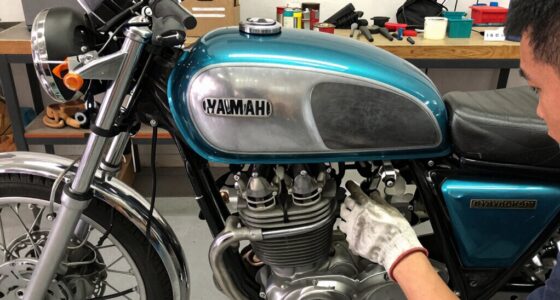
Deciding between an engine swap or restoring your original engine depends on what you value most. If authenticity and preserving your vehicle’s history are key, rebuilding the original engine keeps its true character and can be more cost-effective. However, if you want a boost in performance and modern reliability, an engine swap offers impressive gains. Consider your goals carefully—whether to honor the original or enhance power—as this choice shapes your restoration journey. More insights await to help you decide.

Get business pricing on garage and car supplies
- Business-only prices and quantity discounts
- Tax-exempt purchasing
- Multiple users, one account, clear invoices
Key Takeaways
- Rebuilding preserves authenticity, historical integrity, and original craftsmanship, ideal for collectors and show cars.
- Engine swaps significantly enhance performance, power, and modern technology integration for a dynamic driving experience.
- Restoring to factory specs maintains vehicle value and appeal to enthusiasts seeking authenticity.
- Engine swaps may increase costs, impact originality, and potentially reduce vehicle’s historical or resale value.
- Consider your restoration goals—prioritize either authenticity and legacy or performance and modern upgrades.
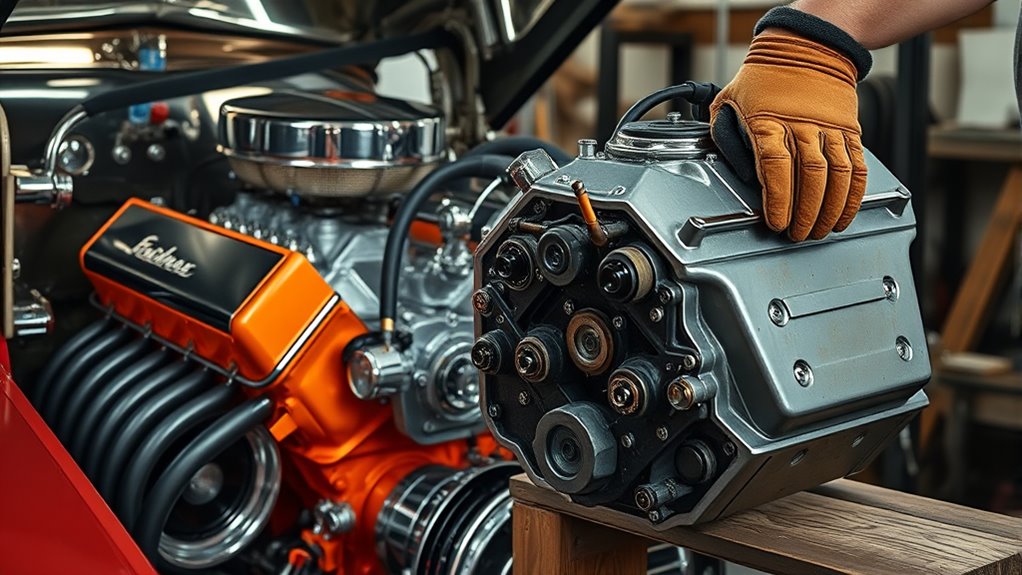
Are you torn between swapping out your engine or rebuilding the original? This decision can be tough, especially when you want your restoration to reflect both quality and character. If you’re leaning towards keeping the original, you’re probably motivated by the desire for authenticity preservation. Restoring the engine to its factory specifications can maintain the vehicle’s historical integrity, which is especially valuable for classic car enthusiasts and collectors. Rebuilding the original engine allows you to retain the unique sounds, the feel, and the legacy that came with the car when it first rolled off the lot. Plus, keeping the original engine can often be more cost-effective if you’re skilled at performing a thorough rebuild, replacing worn parts, and ensuring it runs smoothly again. This approach respects the vehicle’s original craftsmanship and can even enhance its value for resale or shows. Additionally, understanding the importance of engine technology can help guide your decision, whether you opt for preservation or upgrade.
However, if performance upgrades are your priority, swapping out the engine might be more appealing. Modern engine swaps can substantially boost horsepower, torque, fuel efficiency, and overall performance. You get the benefit of integrating newer technology, which can make your drive more enjoyable and reliable. For example, upgrading to a more modern V8 or turbocharged engine can transform your car into a powerhouse, giving you the edge on the road or at car meets. The trade-off is that installing a different engine might compromise some aspects of authenticity, especially if the new setup doesn’t match the original specifications or era of the vehicle. Still, many enthusiasts find that the thrill of a high-performance upgrade outweighs the loss of originality.
Deciding between these options boils down to your priorities. If your goal is authenticity preservation and maintaining the vehicle’s historical essence, rebuilding the original engine is the way to go. It allows you to keep the car’s soul intact while ensuring it runs reliably. On the other hand, if you’re after a more spirited driving experience and want to push your vehicle’s capabilities, an engine swap offers a fresh start with more power and modern features. You should also consider the long-term implications, such as potential costs, the availability of parts, and how each choice impacts your vehicle’s value and appeal. Ultimately, it’s about balancing your passion for authenticity with your desire for performance, so weigh your options carefully before making that pivotal decision.
As an affiliate, we earn on qualifying purchases.
Frequently Asked Questions
How Do Engine Swaps Affect Vehicle Resale Value?
Engine swaps can increase your vehicle’s resale value if they offer performance gains that appeal to buyers. However, they might hurt authenticity preservation, especially for collectors or enthusiasts who value originality. You need to balance the benefits of improved performance with the importance of maintaining the vehicle’s original character. A well-documented swap can boost interest, but keep in mind that purists might prefer the authenticity of the original engine.
Are There Legal Restrictions on Engine Swaps?
Yes, there are legal restrictions on engine swaps. You need to check local emissions regulations, as some swaps might not meet standards, which could affect your vehicle’s registration or insurance implications. Additionally, some states require inspections or documentation proving the engine complies with safety and emissions laws. Failing to adhere to these regulations might lead to fines or difficulty in insuring your vehicle, so always verify local laws before proceeding.
What Are the Key Costs Associated With Each Option?
Thinking about costs? Well, swapping in a new engine can drain your wallet with costs for engine compatibility, parts, and labor. Plus, you’ll face possible fines if it doesn’t meet emission regulations. Rebuilding keeps expenses predictable but still demands investment in parts and tools. Either way, expect surprises—like an unplanned shopping spree or a legal debate. Choose wisely, and remember: your wallet will thank you—or curse you.
How Do Maintenance Needs Compare Between Swaps and Rebuilds?
You’ll find that rebuilds generally demand less maintenance, keeping your original engine running smoothly with fewer performance upgrades and better fuel efficiency if done right. Swaps, however, might need more frequent upkeep due to newer parts or modifications, especially if you pursue performance upgrades. Rebuilds preserve your vehicle’s authenticity and can be more reliable long-term, while swaps might require ongoing adjustments to optimize performance and efficiency.
Which Option Offers Better Long-Term Reliability?
You’ll find that a rebuild often offers better long-term reliability, like a steady heartbeat, preserving authenticity and ensuring consistent performance gains. An engine swap might boost power temporarily but can introduce unforeseen issues, like a wild stallion. Sticking to a rebuild keeps your car’s soul intact, making it more dependable for the long haul, while still delivering the performance gains you crave.
As an affiliate, we earn on qualifying purchases.
Conclusion
Choosing between an engine swap and an original rebuild is like picking the steady heartbeat or a new rhythm for your car’s soul. Both paths have their own tune—one keeps the familiar song alive, while the other offers a fresh beat. Whichever you choose, remember it’s your melody, your ride, your journey. Let your passion guide the tempo, and soon, your car will sing with the heart you’ve set it to beat.
restoration engine rebuild parts
As an affiliate, we earn on qualifying purchases.
As an affiliate, we earn on qualifying purchases.
As an affiliate, we earn on qualifying purchases.
Fall Picks
fall essentials
As an affiliate, we earn on qualifying purchases.