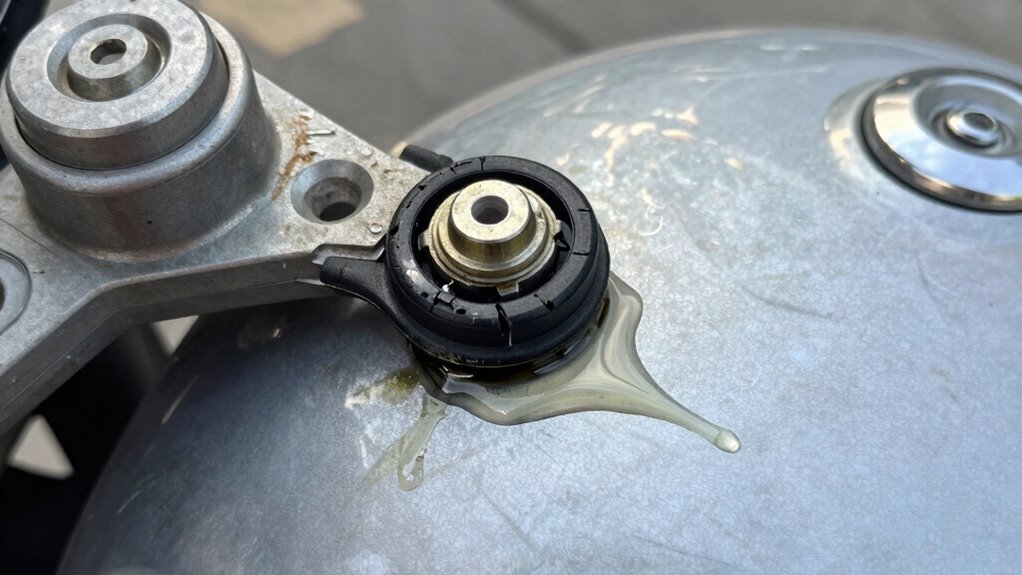

If you notice gasoline dripping or a strong fuel smell, inspect your petcock and gas cap for cracks, looseness, or damage, as worn seals often cause leaks. Tighten fittings properly, replace damaged parts, and clean connections to stop fuel drips. Regularly checking your fuel system helps prevent future leaks and unsafe conditions. Keep in mind, maintaining your system guarantees safety and efficiency—continue on to discover more tips to fix and prevent fuel leaks effectively.

Get business pricing on garage and car supplies
- Business-only prices and quantity discounts
- Tax-exempt purchasing
- Multiple users, one account, clear invoices
Key Takeaways
- Inspect and tighten the petcock and gas cap to ensure proper sealing and prevent leaks.
- Replace worn or damaged seals, gaskets, and the petcock itself with high-quality, fuel-resistant parts.
- Check for cracks, corrosion, or rust on fuel components and replace any compromised parts.
- Clean petcock connections and threads to remove debris and ensure a secure fit.
- Conduct pressure tests and visually inspect for leaks, addressing any issues immediately to stop gasoline drips.
Products Worth Considering

Autel 40A Level 2 EV Charger, 240V NEMA 14-50 J1772, WiFi, 25ft Cable

VIOFO A329S 4K+2K+2K Dash Cam Front Cabin and Rear, STARVIS 2 HDR, Wi-Fi 6

NOCO Boost GBX45 12V Lithium Jump Starter, 1,250A
As an affiliate, we earn on qualifying purchases.
Recognizing Signs of Fuel Leaks and Gasoline Drips
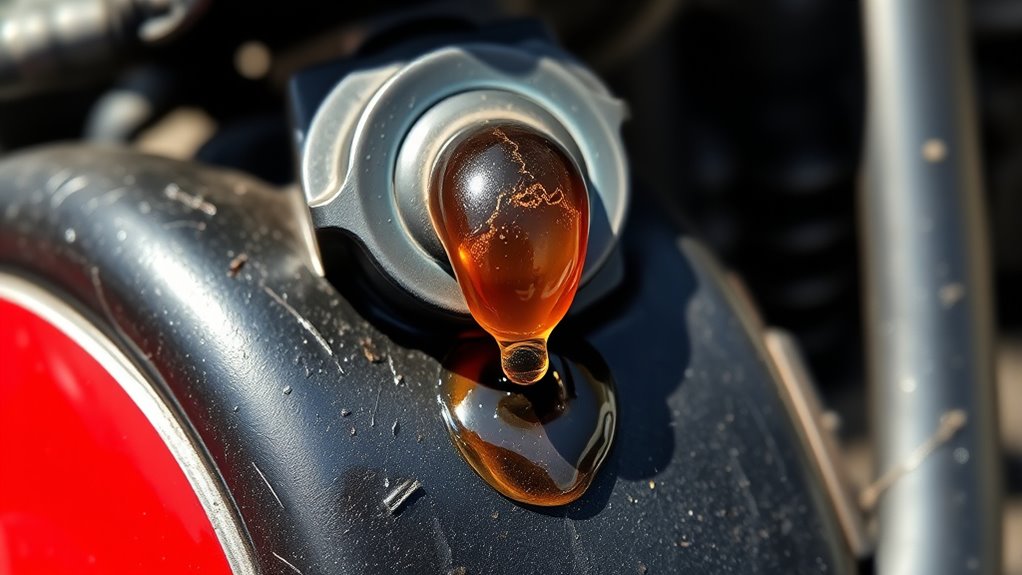
You can often identify a fuel leak early by paying attention to certain warning signs. If you notice a strong gasoline smell around your vehicle or near the engine, that’s a red flag. Poor fuel economy or the need to refuel more often than usual suggests fuel might be leaking or injectors aren’t functioning properly. You might also see visible puddles of liquid fuel or oily stains under your car, which clearly indicates a leak. Engine misfires, rough idling, or difficulty starting can also point to fuel delivery issues caused by leaks. Additionally, if your Check Engine Light comes on unexpectedly, it could be warning you of a fuel system malfunction. Addressing these signs quickly helps prevent more serious problems and safety risks.
Common Causes of Petcock and Gas Cap Failures
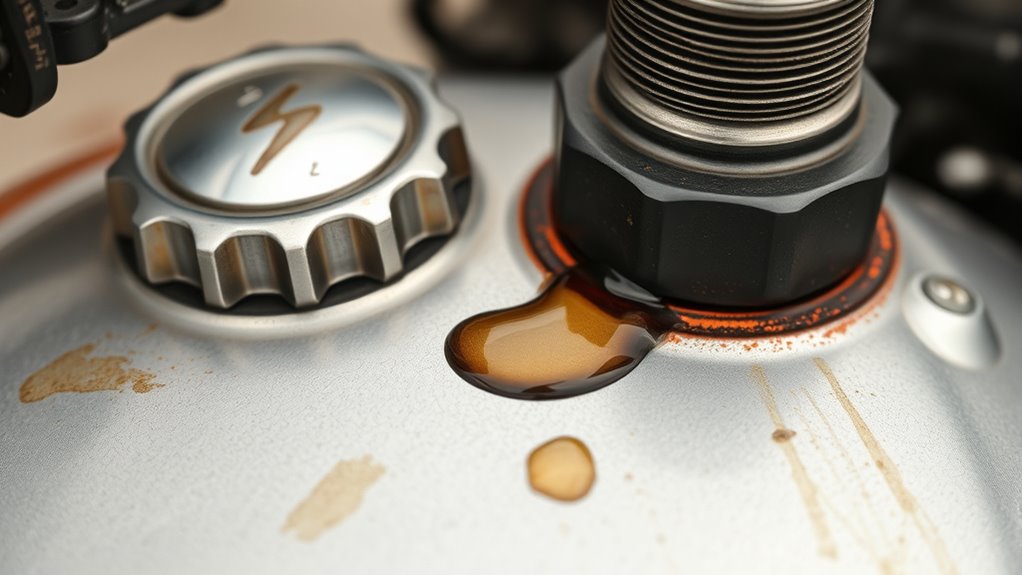
Worn or damaged seals, improper installation, and corrosion are common causes of petcock and gas cap failures. When seals deteriorate or aren’t fitted correctly, fuel vapors can escape, leading to leaks and safety hazards. Rust buildup on metal parts also weakens connections, increasing the risk of fuel leaks and system failure.
Worn or Damaged Seals
Over time, seals around the petcock and gas cap can degrade due to exposure to fuel, heat, and environmental elements. This deterioration causes them to lose their flexibility and sealing ability, leading to leaks. Cracked or hardened seals no longer form a tight barrier, allowing fuel vapors to escape or gasoline to drip. Worn seals can also develop small tears or pinholes, which are hard to see but can cause significant leaks. If you notice fuel odors or seepage around the tank or petcock, worn seals are likely the culprit. Additionally, proper sealing techniques and use of compatible materials are essential for ensuring a reliable seal. Ensuring the correct installation procedures are followed can prevent many common sealing issues. Regular inspection and timely replacement of aged seals are essential for maintaining a safe, leak-free fuel system. Using quality replacement parts can prolong the lifespan of your seals and prevent future leaks. Moreover, understanding vetted components and their specifications can help you select the most durable and effective seals for long-term performance. Proper maintenance, including filter checks and adherence to manufacturer guidelines, can also reduce the risk of seal failure over time.
Improper Installation or Tightening
Have you ever experienced fuel leaks after installing a new petcock or gas cap? Improper installation or tightening is a common cause of leaks and can happen if you don’t tighten components enough or over-tighten them. If the petcock or gas cap isn’t snug, small gaps can form, allowing fuel vapors or liquid to escape. Conversely, overtightening can damage threads or seals, creating new leak points. Always verify you follow manufacturer torque specifications and hand-tighten first, then give a slight additional turn if needed. Check that seals and gaskets are seated correctly before tightening. Regularly inspect installed parts for signs of loosening or damage, and tighten or replace them promptly to maintain a proper seal and prevent leaks. Properly application techniques and maintenance are essential for preventing fuel leaks and ensuring safe operation. Additionally, understanding fuel system maintenance can help identify potential issues before they become serious. Using proper sealing methods can further reduce the risk of leaks and enhance safety. For example, thread sealing tape can be used on threaded fittings to improve sealing and prevent leaks. Ensuring proper installation procedures is crucial for a reliable and leak-free fuel system.
Corrosion and Rust Buildup
Corrosion and rust buildup are common culprits behind petcock and gas cap failures. Over time, moisture gets into metal parts, causing rust that weakens seals and threads. This deterioration can lead to leaks, vapor escapes, and poor sealing. Rust also causes the petcock valve and gas cap to stick or become difficult to remove, increasing the risk of damage. Regular inspections help spot corrosion early. Keep these parts clean and dry, and replace rusted components promptly. Proper maintenance techniques can help prevent excessive corrosion and extend the lifespan of these components. Additionally, understanding the role of corrosion in component failure emphasizes the importance of preventative care. The table below highlights how corrosion affects various parts:
| Part | Effect of Rust |
|---|---|
| Petcock | Sticking, leaks, stuck open |
| Gas Cap | Cracks, poor seal |
| Fuel Lines | Cracking, blockages |
| Metal Tank | Pitting, leaks |
| Seals and O-rings | Deterioration, leaks |
Preventative maintenance, including inspection and cleaning, can significantly extend the lifespan of these components and ensure safe operation. Regularly applying protective coatings or rust inhibitors can further reduce corrosion, especially in humid environments.
How to Inspect Your Vehicle for Fuel System Leaks

To effectively inspect your vehicle for fuel system leaks, start by visually examining the entire engine compartment and undercarriage for any signs of liquid fuel or oily stains. Look for puddles, drips, or wet spots on hoses, connections, and near the fuel tank. Check the gas cap for secure fit and cracks. Smell for strong gasoline odors around the engine or under the vehicle.
Visually inspect for fuel leaks, wet spots, and strong gasoline odors around the engine and undercarriage.
- Focus on aged or damaged hoses and seals that may leak.
- Inspect fuel lines for cracks, corrosion, or signs of wear.
- Ensure the gas cap seals tightly without damage.
- Look for wet spots or stains indicating active leaks or seepage.
- Understanding your vehicle’s fuel system can help you identify potential problem areas more effectively.
Regular visual checks help catch problems early before they escalate.
Preventive Steps to Maintain Fuel System Integrity
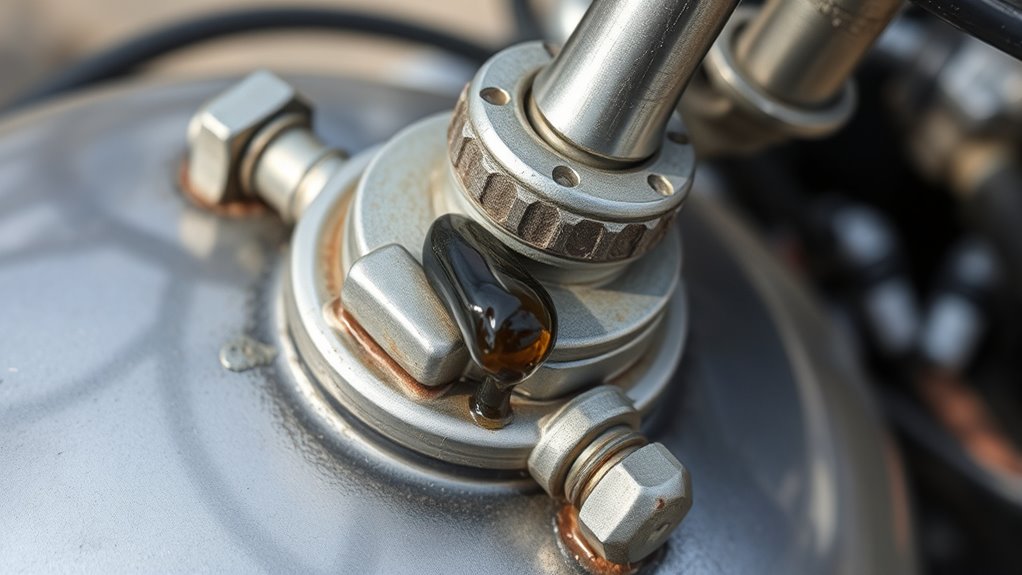
You should perform regular fuel system inspections to catch wear or damage early. Using high-quality replacement parts guarantees your system stays sealed and operates safely. Staying proactive with maintenance helps prevent leaks and keeps your vehicle running smoothly. Additionally, consulting a professional for system evaluations can ensure optimal performance and safety. fuel system inspections Regular inspections also help identify issues before they lead to more serious fuel leaks, saving you money and time in the long run. Incorporating preventive maintenance practices can further extend the lifespan of your fuel system components.
Regular System Inspections
Regular system inspections are essential for maintaining the integrity of your vehicle’s fuel system and preventing costly repairs. By routinely checking for signs of wear or damage, you can catch issues early before they escalate. During inspections, focus on key components such as fuel lines, seals, and gas caps. Look for leaks, cracks, or corrosion that could compromise the system’s safety and efficiency. Ensure connections are tight, and replace any damaged parts promptly. Regular inspections also include pressure testing to identify weaknesses. Staying proactive helps avoid dangerous leaks and keeps your vehicle running smoothly. Additionally, understanding navigation and mapping can help you identify potential problem areas more effectively. Incorporating whole-house water filtration system principles, such as regular maintenance schedules, can serve as a useful analogy for managing your vehicle’s fuel system health. Regularly inspecting your vehicle’s fuel system also helps in early detection of fuel leaks, which are critical for safety and environmental reasons. Paying attention to petcock problems and ensuring it functions properly can prevent gasoline drips and leaks from worsening over time. Performing routine checks on your petcock can also help identify vapor lock issues before they cause engine performance problems.
Use Quality Replacement Parts
Using high-quality replacement parts is essential for maintaining your vehicle’s fuel system and preventing leaks. When replacing seals, O-rings, or fuel lines, choose parts made from durable, fuel-resistant materials. Cheap or generic components often wear out quickly or don’t seal properly, leading to drips and vapor leaks. Always verify that replacements meet your vehicle manufacturer’s specifications. High-quality parts ensure a tight fit, reducing the risk of fuel escaping and causing hazards. Regularly inspect and replace worn components with reputable parts to maintain system integrity. Using trusted brands and OEM (Original Equipment Manufacturer) parts can save you money in the long run by preventing costly repairs and potential safety issues caused by leaks. Prioritize quality to keep your fuel system safe and leak-free. Additionally, selecting parts made from fuel-resistant materials can further improve longevity and performance. Incorporating Suprem fabric in your vehicle upholstery or covering can also contribute to a more durable and eco-friendly interior.
Fixing Fuel Injector Leaks and Maintaining Optimal Performance
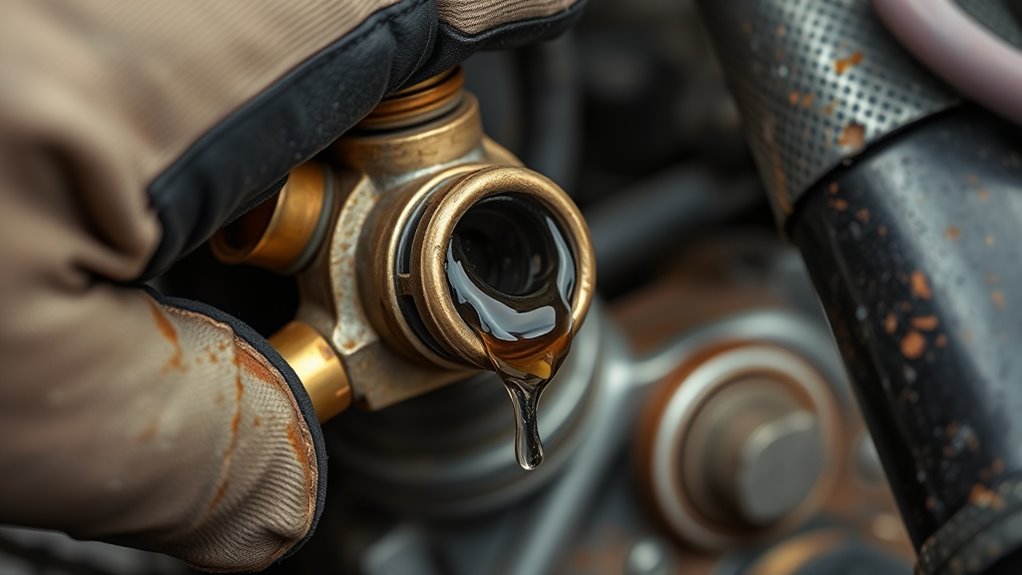
Fuel injector leaks can substantially impair engine performance and fuel efficiency, but addressing them promptly is key to maintaining ideal operation. Leaking injectors can cause flooding, rough idling, and reduced power, leading to higher emissions and poor mileage. To fix leaks, start by inspecting the injectors and seals for cracks or wear. Replace damaged O-rings and seals with high-quality parts. Use fuel injector cleaner regularly to prevent clogging and buildup. Consider professional diagnostics if leaks persist or performance drops markedly.
- Regular inspections catch leaks early before they worsen
- High-quality replacement parts ensure durability
- Proper cleaning prevents clogging and wear
- Professional testing confirms injector efficiency and sealing
Ensuring Petcock and Gas Cap Functionality

Ensuring your petcock and gas cap function properly is essential for preventing fuel leaks and maintaining safe vehicle operation. Check the gas cap regularly for cracks, corrosion, or damage, and replace it if it doesn’t seal tightly. A loose or faulty cap allows vapors to escape, reducing fuel efficiency and increasing fire risk. When inspecting the petcock, ensure it turns smoothly and seals tightly when closed. If you notice leaks, drips, or difficulty shutting it off, it may need cleaning or replacement. Keep connections clean and free of debris to prevent leaks at the fittings. Routine inspections and timely replacements of worn or damaged parts help maintain proper sealing, reduce vapor emissions, and prevent potentially dangerous fuel leaks.
Safety Precautions When Dealing With Fuel Leaks
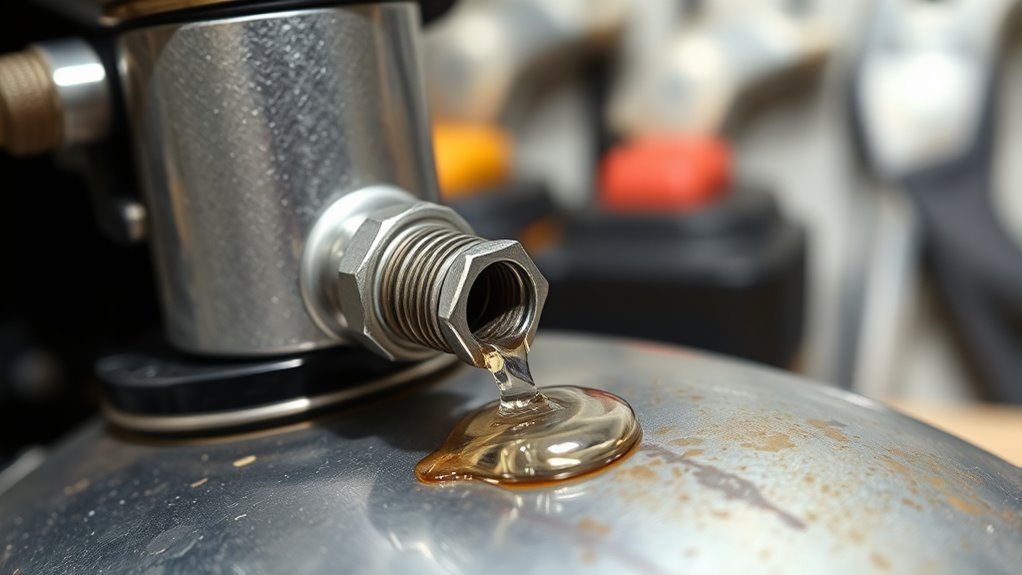
Dealing with fuel leaks requires immediate caution because gasoline vapors are highly flammable and pose serious safety risks. Always work in a well-ventilated area away from open flames, sparks, or heat sources. Wear protective gloves and safety goggles to prevent contact with fuel. Before starting repairs, disconnect the vehicle’s battery to reduce the risk of sparks. Keep a fire extinguisher nearby, and avoid smoking or creating static electricity.
- Ensure proper ventilation to disperse vapors safely
- Use non-sparking tools to prevent ignition
- Check for leaks with a safe, approved method
- Never attempt repairs near open flames or sources of heat
Frequently Asked Questions
How Often Should I Replace My Vehicle’s Fuel Cap?
You should replace your vehicle’s fuel cap whenever it shows signs of damage or wear, such as cracks, warping, or difficulty sealing. It’s a good idea to inspect it during regular maintenance, at least once a year. If your Check Engine light comes on or you notice a strong gasoline smell, replacing the cap can often resolve these issues. Keeping it in good condition ensures proper sealing and prevents vapor leaks.
Can a Clogged Fuel Injector Cause a Fuel Leak?
A clogged fuel injector doesn’t directly cause a fuel leak, but it can lead to issues that make leaks more likely. Think of it as a clogged drain causing water to back up; fuel can build up pressure or cause uneven flow, stressing seals and connections. Over time, this strain can develop leaks or make existing leaks worse, so keeping injectors clean helps prevent fuel escape and keeps your system running smoothly.
What Tools Are Needed to Inspect the Fuel System?
You’ll need a few essential tools to inspect your fuel system. Start with a flashlight to see inside tight spaces and identify leaks. Use a fuel pressure gauge to check system pressure, ensuring it’s within specs. A set of screwdrivers and wrenches helps remove panels and components. Also, have a visual inspection mirror and cleaning supplies. Ultimately, a fuel line or pressure tester can help locate hidden leaks or weaknesses.
Is It Safe to Drive With a Minor Fuel Leak?
You shouldn’t drive with a minor fuel leak. Even small drips can pose fire hazards, environmental risks, and health issues from gasoline fumes. Leaks may worsen unexpectedly, leading to more serious damage or dangerous situations. It’s best to have a professional inspect and repair your vehicle before driving. Ensuring safety and avoiding costly repairs later outweighs the convenience of driving with a minor leak. Always prioritize safety first.
How Do I Identify a Faulty Petcock Valve?
You suspect a faulty petcock valve when you notice fuel dripping from the bottom of your tank, especially when the bike is off. To confirm, turn the petcock to the “off” position; if fuel continues to flow, it’s faulty. Also, check for a strong gasoline odor near the tank or fuel leaks around the valve. Replacing a worn or stuck petcock prevents leaks and keeps your motorcycle safe.
Conclusion
Think of your fuel system as the heart of your motorcycle—trust it to keep your journey alive. When leaks occur, they threaten the pulse of your ride, demanding your attention and care. By staying vigilant and maintaining it diligently, you guarantee the flow remains steady, and your path stays clear. Remember, a well-kept system is like a steady heartbeat—protect it, and your adventures will continue smoothly, free from the silent danger of gasoline drips.