
After WWII, returning veterans transformed surplus bikes into symbols of independence, rebellion, and freedom, sparking American motorcycle customization. They stripped down military bikes like Harley-Davidsons to create choppers and bobbers, emphasizing lightweight, individual style. Motorcycle clubs and rallies grew from this culture, reinforcing community and identity. These styles represent American values of resourcefulness and self-expression, shaping a unique and enduring tradition. If you want to explore how these origins influenced modern biker culture, keep going.
Key Takeaways
- Post-WWII, returning servicemen repurposed surplus military motorcycles into customized bikes, fueling American motorcycle culture.
- Military-inspired modifications, like “chopping” and elongating frames, gave rise to the distinctive chopper style.
- Motorcycle clubs adopted military aesthetics and symbols, reinforcing rebellion and individuality in American custom culture.
- Rallies like Sturgis and Daytona fostered community, showcasing customized bikes and celebrating motorcycle lifestyle.
- Bobbers and choppers symbolize American values of independence, craftsmanship, and self-expression through minimalist and rebellious design.

Motoforti Motorcycle Solo Driver Seat Saddle Cushion with Spring Base Mounting Bracket Kit for Harley Sportster XL883 1200 Chopper Bobber
Driver Seat Width: 27cm /10.63" , Seat Length: 32.5/12.80". Please check the sizes and fitments before purchasing.
As an affiliate, we earn on qualifying purchases.
As an affiliate, we earn on qualifying purchases.
The Roots of Motorcycle Customization in Postwar America
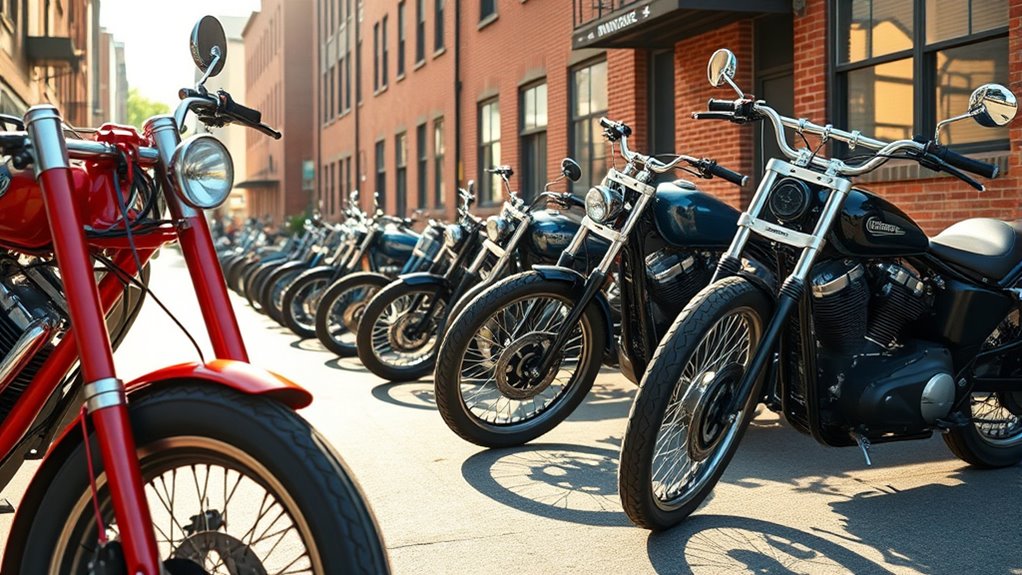
After World War II, motorcycle customization took off as returning servicemen applied their mechanical skills to create unique bikes. Affordable military surplus motorcycles, especially Harley-Davidson models like the WLA and Sportster, became popular bases for modification. Ownership shifted from utility to a symbol of freedom and lifestyle embraced by veterans and youth alike. Motorcycle clubs such as the Hells Angels emerged, promoting customization as a form of identity and brotherhood. Manufacturers responded by increasing sales, offering more powerful, stylish, and performance-oriented bikes. Riders began stripping down bikes, focusing on lightweight performance. These early efforts laid the groundwork for a vibrant culture of personalization, where mechanics and enthusiasts experimented with styles and techniques that would evolve into iconic forms like bobbers and choppers. The post-war industry boom also contributed to the accessibility of parts and tools, enabling a broader community of hobbyists to participate in motorcycle customization and explore innovative styling techniques.

GUDITEM 6.1'' Flat Motorcycle Rear Short Fender Mudguard For Harley Bobber Chopper
Fit For Harley Bobber Chopper
As an affiliate, we earn on qualifying purchases.
As an affiliate, we earn on qualifying purchases.
Military Influence and the Birth of the Chopper Style
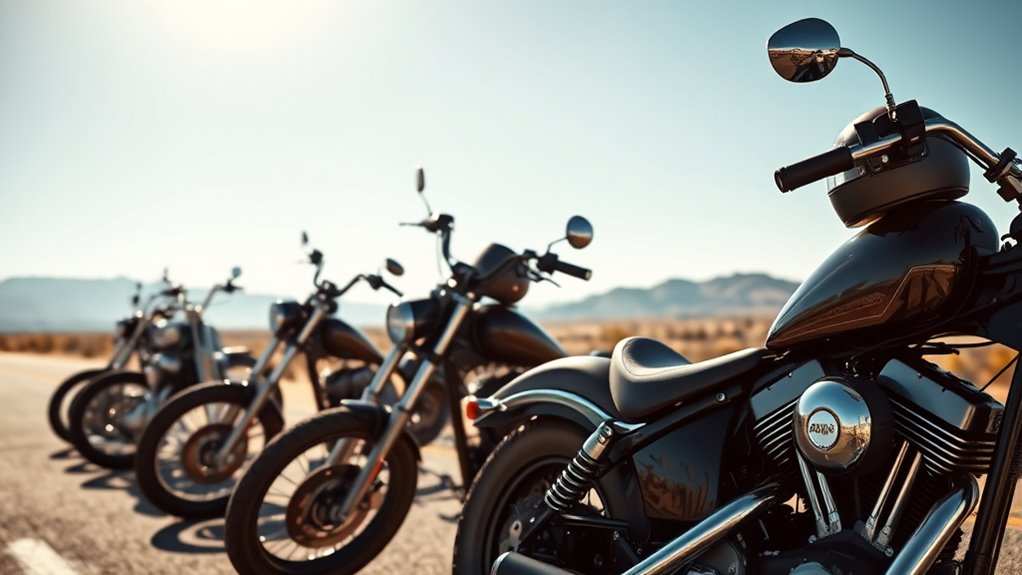
Military motorcycles from World War II played a crucial role in shaping the chopper style, as soldiers stripped down their bikes to enhance speed and maneuverability during recon missions. They removed non-essential parts like rifle racks and blackout lights, effectively “chopping” the bikes to make them lighter and more agile. Harley-Davidson supplied many of these motorcycles, establishing a link between military and civilian tech. Military bikes featured reinforced frames, modular components, and durable designs built for rugged terrain and quick repairs. Military production and modifications contributed to civilian motorcycle design and style. After the war, veterans applied their mechanical skills and used surplus bikes for customization, turning practical modifications into personal statements. This blending of military durability and individual style laid the foundation for the iconic chopper aesthetic—lightweight, elongated, and visually striking. The customization process often involved elongating the frame and adding unique paint jobs to reflect personal identity.
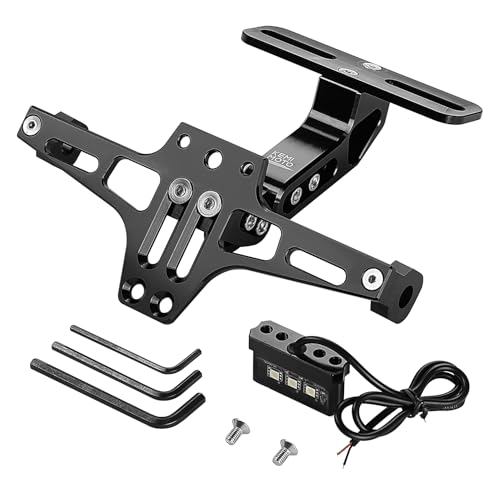
KEMIMOTO Universal Motorcycle License Plate Bracket with LED Light Fender Eliminator Kit CNC Aluminum Motorcycle Tail Tidy License Plate Holder Mount Black
NOTE: The adjustable range of the mounting hole is 30-115mm. Do NOT COMPATIBLE WITH Z1000, YZF-R1, 2020 CBR500RR,…
As an affiliate, we earn on qualifying purchases.
As an affiliate, we earn on qualifying purchases.
The Rise of Motorcycle Clubs and Outlaw Culture
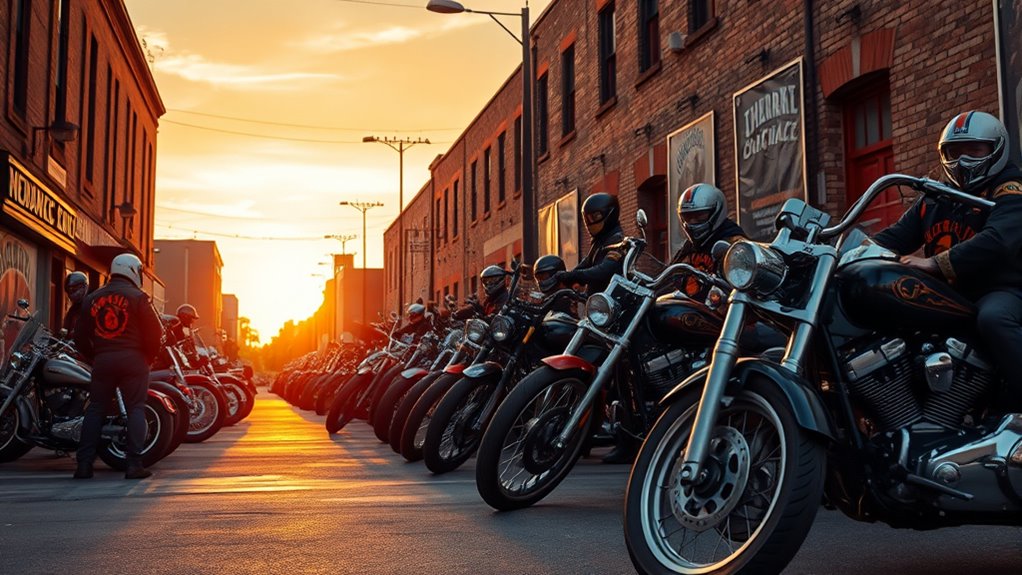
Have you ever wondered how outlaw motorcycle clubs emerged as symbols of rebellion and brotherhood? These groups started in the late 1940s with WWII veterans seeking camaraderie and adrenaline. They adopted military-style hierarchies and created symbols like the “1%” patch to show they operated outside society’s norms. Their distinctive styles—leather jackets, custom bikes, and outlaw lifestyles—reinforced their rebellious image. Clubs like the Hells Angels and Bandidos expanded through “patch-over” events, forming powerful networks. Many of these clubs also developed backup systems to ensure their activities could continue safely during unpredictable circumstances.

SPECIALIST PAINTS VIVID BLACK – 20ml (0.68 oz) – Touch up Pen and Brush, Compatible with HARLEY DAVIDSON
VIVID BLACK – 20ml (0.68 oz) – Touch up Pen and Brush, Compatible with HARLEY DAVIDSON
As an affiliate, we earn on qualifying purchases.
As an affiliate, we earn on qualifying purchases.
The Evolution of Rallies and Community Spirit
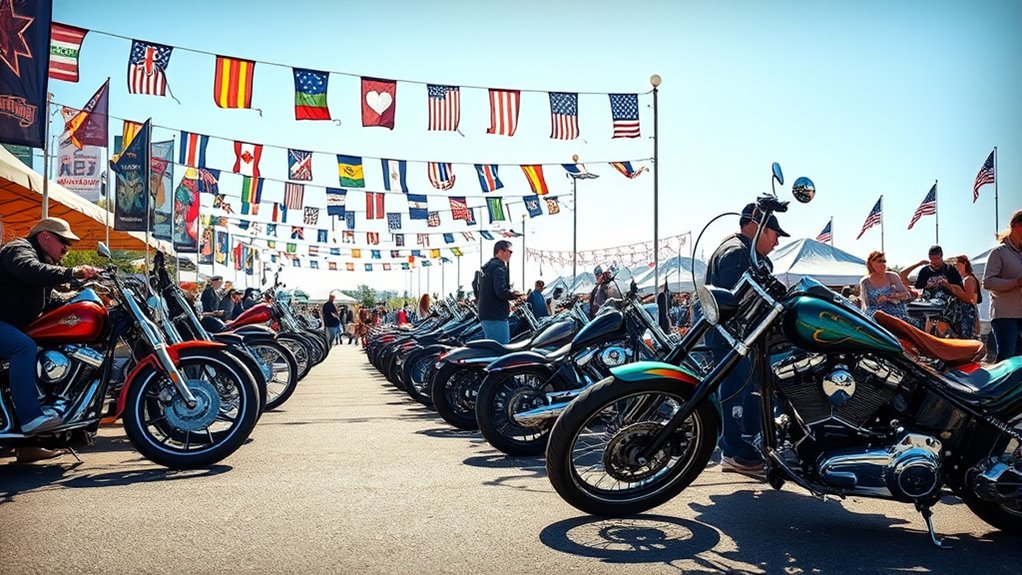
Motorcycle rallies have evolved from informal gatherings of enthusiasts into organized events that serve as vibrant hubs of community and camaraderie. Starting in the 1930s and 1940s, they grew into large-scale gatherings like Sturgis, which began as a small race and now hosts over half a million riders annually. Rallies like Laconia, dating back to 1916, and Daytona Bike Week, established in 1937, have become annual traditions that foster connection and shared identity. These events feature group rides, competitions, stunt shows, and vendor booths, uniting diverse riders around motorcycle culture. Many rallies promote family-friendly activities, emphasizing inclusion and community bonds that endure across generations. The traveling “Gypsy Tour” style further highlights the social, communal aspect, bringing riders together in celebration of their passion and camaraderie. Additionally, these gatherings often showcase European cloud innovation in event management and safety technologies, reflecting a broader trend toward sustainable and secure solutions in large-scale events.
The Symbolism Behind Bobbers and Choppers
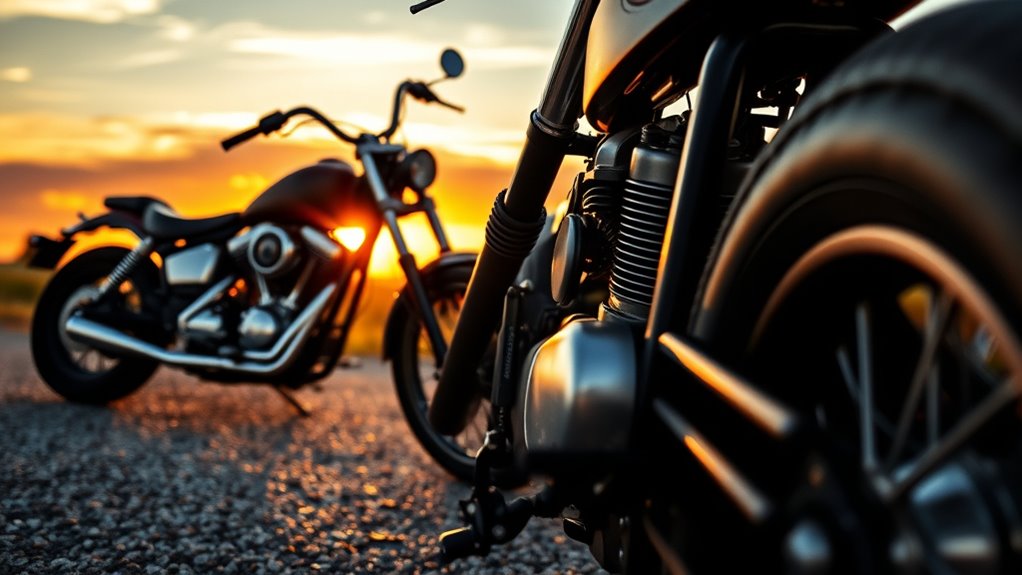
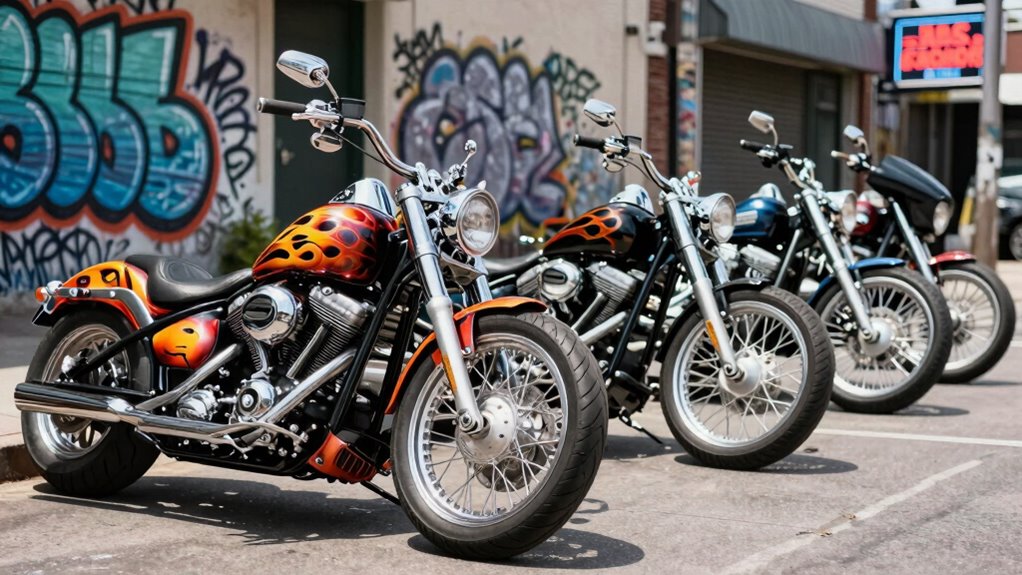
What makes bobbers and choppers more than just custom bikes? These machines symbolize deeper cultural meanings rooted in American history and values. Bobbers represent practicality and individualism, reflecting a focus on performance, speed, and minimalism. They show your resourcefulness, often made by veterans who valued function over form. The early modifications of bobbers involved removing or bobbing down fenders, shrinking fuel tanks, and replacing seats, emphasizing their utilitarian nature. This approach highlights the importance of craftsmanship and personalization in American motorcycle culture. Choppers, on the other hand, embody rebellion, style, and creativity, signaling a desire to stand out and challenge norms. They express freedom, attitude, and non-conformity, often associated with counterculture movements. Both styles serve as powerful symbols of independence on the open road. – Bobbers: Practical, utilitarian, personal craftsmanship, minimalism – Choppers: Rebellion, artistic expression, bold design, counterculture These bikes embody the core American ideals of freedom, individuality, and self-expression.
Frequently Asked Questions
How Did Motorcycle Technology Evolve Before the 20TH Century?
You see, motorcycle technology before the 20th century evolved from steam-powered bikes to internal combustion engines. You notice early steam motorcycles used boilers and belt drives, but they were heavy and limited. With inventors like Daimler creating gasoline-powered models like the Reitwagen, motorcycles became lighter and more efficient. Bicycle frames were adapted, pedals removed, and engines improved, paving the way for mass production and modern motorcycle designs.
What Role Did Women Play in Early Motorcycle Culture?
You see, women played a crucial role in early motorcycle culture by breaking barriers and challenging norms. They rode coast-to-coast, competed in races, and formed organizations like the Motor Maids to promote female riders. Many worked in dealerships, organized rallies, and led community efforts. Their perseverance helped legitimize women as serious motorcyclists, inspiring future generations and shaping the social fabric of motorcycle culture today.
Were There International Influences on American Motorcycle Customization?
You might be surprised, but international influences literally shaped your motorcycle customization. European bikes like Triumph and British café racers inspired American builders to adopt lightweight frames, aggressive styles, and performance tweaks. Later, Japanese brands introduced affordable, innovative platforms that revolutionized modifications. These global inputs, blending European sleekness and Japanese technology, transformed your bike culture into a rich, diverse scene—proof that borders didn’t limit creative expression but fueled it.
How Did Legal Regulations Impact Motorcycle Clubs’ Growth?
Legal regulations pushed motorcycle clubs to grow outside mainstream control. You might have noticed clubs resisting helmet laws and other restrictions, forming their own identities as “outlaws” or “one-percenters.” These restrictions made clubs more defiant, fostering a sense of brotherhood and independence. Police scrutiny and legal challenges led clubs to develop sophisticated security and organizational systems, allowing them to expand regionally and nationally while maintaining their autonomy from regulation and mainstream society.
What Are the Differences Between Bobbers and Choppers Historically?
You’ll find that bobbers and choppers differ mainly in design and purpose. About 60% of early bikers preferred bobbers for their lightweight, performance-focused setup, while choppers, emerging later, prioritized radical style with elongated frames and bold customizations. Bobbers retain stock frames with minimal parts removed for handling, whereas choppers alter frames substantially for aesthetic flair, often sacrificing maneuverability for a striking look.
Conclusion
As you explore the roots of American custom culture, you realize it’s more than just bikes—it’s a rebellion, a statement, a legacy in motion. The stories behind bobbers and choppers hint at deeper passions and hidden histories, leaving you wondering what’s next for this evolving tradition. Will the spirit of innovation and individuality continue to drive future generations? Only time will reveal how these machines will shape the next chapter of this enduring, mysterious culture.