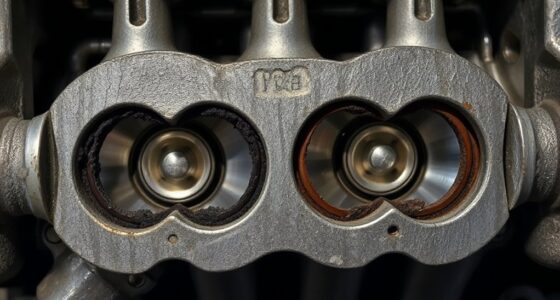
Hard starting on older carbureted bikes is often caused by issues with the fuel mixture, clogged carburetor jets, or worn spark plugs that weaken ignition. Deteriorated electrical components like the battery or ignition coil can also reduce spark strength, making starting difficult. Additionally, stale fuel, a malfunctioning choke, or internal carburetor problems can hinder proper combustion. Addressing these common issues can help get your bike running smoothly again—stay tuned to learn more about each cause.
Listen free for 30 days with Audible
Thousands of audiobooks and originals — cancel anytime.
As an affiliate, we earn on qualifying purchases.
Key Takeaways
- Incorrect fuel mixture or clogged carburetor jets hinder proper engine startup.
- Worn or fouled spark plugs weaken ignition sparks needed for starting.
- Old or weak batteries reduce spark strength, affecting ignition reliability.
- Deteriorated internal carburetor parts restrict fuel flow and throttle response.
- Faulty choke or stale fuel complicates cold starts and engine ignition.

Older carbureted bikes can be notoriously difficult to start, especially after sitting idle for a while. When you turn the key or kick the starter, it might take several tries before the engine catches. One common reason is an improper fuel mixture. Over time, the carburetor can become clogged or gummed up, disrupting the correct ratio of fuel to air. If the mixture is too lean (not enough fuel), the engine won’t get enough combustion material to start easily. Conversely, if it’s too rich (too much fuel), the excess fuel can flood the engine, making it hard to ignite. Confirming the carburetor is clean and properly tuned is crucial. You might need to adjust the mixture screws or clean the jets to restore the right balance.
Another critical factor is the condition of your spark plug. Spark plugs are the heart of ignition; they create the spark needed to ignite the fuel-air mixture in the combustion chamber. If your spark plug is dirty, worn, or fouled, it won’t produce a strong, consistent spark. This weak or inconsistent spark hampers combustion, making it difficult for the engine to start. Regularly inspecting your spark plug and replacing it if it’s fouled or worn out can greatly improve starting performance. Also, check the gap between the electrode and the spark plug’s tip—if it’s incorrect, the spark might be weak or absent altogether.
In addition to these two main factors, other issues can contribute to hard starting. Old or weak batteries, faulty ignition coils, or deteriorated wiring can all prevent the spark from igniting the fuel mixture properly. Sometimes, the choke isn’t functioning correctly, causing the engine to struggle when cold. If you’re dealing with a bike that’s been sitting for a long time, stale fuel might also be a culprit. Old fuel can clog the carburetor and prevent proper combustion. Ensuring the fuel mixture is correct and the carburetor is clean can significantly improve starting reliability. Additionally, clogged jets can prevent the proper flow of fuel, making starting more difficult. Regular maintenance, including checking the fuel quality, can help prevent issues caused by stale fuel. Ensuring the carburetor’s internal passages are free of debris is also key to smooth operation.
To get your older carbureted bike running smoothly again, start by checking the fuel mixture and cleaning or tuning your carburetor. Then, examine your spark plug, replace it if necessary, and ensure it’s properly gapped. Combining these steps with a general inspection of the electrical system will give you the best chance of getting your bike to start reliably. Regular maintenance and attention to these details can save you a lot of frustration and keep your vintage ride running smoothly. It’s also helpful to verify the ignition system is functioning correctly to ensure consistent performance.
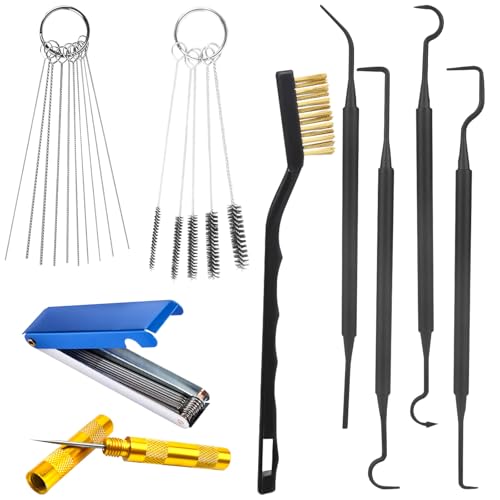
CYUXING 9Pcs Carburetor Cleaning Tool, Carb Jet Cleaning Kit & Welding Tip Cleaner with Stainless Steel Needles, Brushes & Hooks for Motorcycle ATV Chainsaw & Welder Professional
- High-Quality Materials: Stainless steel and nylon for durability
- Precise Cleaning Tools: Needles and bristles clear tiny passages
- All-in-One Maintenance Kit: Consolidates tools for efficient servicing
As an affiliate, we earn on qualifying purchases.
As an affiliate, we earn on qualifying purchases.
Frequently Asked Questions
How Often Should I Perform Maintenance on My Carburetor?
You should perform carburetor maintenance every 1,000 to 2,000 miles or once a season. Regular carburetor cleaning helps prevent buildup that causes hard starting. Use fuel additives periodically to keep your fuel system clean and improve performance. Also, check for clogged jets or stuck floats during maintenance. Consistent upkeep guarantees your bike starts smoothly and runs efficiently, saving you time and costly repairs down the road.
Can Fuel Quality Affect Starting Issues?
Imagine your bike’s engine as a delicate dance partner, needing smooth moves to start. Poor fuel quality can throw off that dance, making starting difficult. Using fuel additives can improve fuel stability, while carb cleaning removes gunk that clogs the system. Both steps help guarantee your bike’s fuel mixture flows freely, making starts easier and keeping that dance smooth every time you hit the ignition.
What Is the Role of the Spark Plug in Starting?
Your spark plug plays a vital role in starting your bike by igniting the fuel-air mixture. Proper ignition timing guarantees the spark occurs at the right moment, aiding smooth starts. Additionally, maintaining the correct spark gap helps produce a strong, consistent spark. If the spark gap is too wide or narrow, or ignition timing is off, your bike will struggle to start. Regularly check and replace the spark plug for peak performance.
How Do Altitude Changes Impact Engine Starting?
Imagine your bike’s engine as a chef adjusting seasoning—altitude changes require you to tweak carburetor tuning. Higher altitudes have thinner air, making it harder for your engine to start. You need to perform altitude adjustment, enriching the fuel mixture to compensate. Without this, your carburetor struggles, and starting becomes tougher. Regular carburetor tuning guarantees your bike runs smoothly, no matter how high you climb.
Are Electronic Ignition Systems Compatible With Older Bikes?
Electronic ignition systems are generally compatible with older bikes, making ignition upgrades straightforward. You’ll want to check electronic compatibility with your specific model before installing, but most vintage bikes can benefit from these modern systems. Upgrading to electronic ignition improves reliability, starts easier, and requires less maintenance than traditional points. Just make certain you select the right components and follow installation instructions carefully for a seamless upgrade that enhances your bike’s performance.

Lot of 2 NGK Standard Non-Resistor Spark Plug 4629 C7HSA for 50cc 110cc 150cc Motorcycle ATV Dirt Pit Bike Go Kart Quad Honda Yamaha Kawasaki Suzuki Bristol
- Pack of 2 NGK Spark Plugs: Includes two NGK C7HSA plugs
- Genuine NGK Parts: Authentic NGK quality assured
- Original Packaging Included: Comes with original packaging and hardware
As an affiliate, we earn on qualifying purchases.
As an affiliate, we earn on qualifying purchases.
Conclusion
Just like trying to start a stubborn old engine, hard starting on your carbureted bike can be frustrating. But with a little troubleshooting—checking the spark, cleaning the carb, or replacing old parts—you can get it running smoothly again. Think of it as revealing a hidden treasure; once you find the cause, your bike will start like a charm. Keep at it, and soon you’ll be back on the road with a reliable ride.

2Pcs Ignition Coil & Spark Plug for Kawasaki21171-0743 21171-0738 21171-0711 21171-0747 21171-7041 21171-7042 Fit for Kawasaki FR651V FR691V FX751V FX801V FX850V FR600V Series for John Deere Engine
- Compatibility: Fits Kawasaki and John Deere engines
- OE Part Numbers: Multiple OE part numbers included
- Easy Installation: Plug and play, enhances ignition
As an affiliate, we earn on qualifying purchases.
As an affiliate, we earn on qualifying purchases.

Red Line 60103 SI-1 Complete Fuel System Cleaner – 15 Ounce- Fuel Injector Cleaner and Carburetor Cleaner for Corrosion Prevention and Injector, Valve, and Combustion Chamber Deposit Removal
- Premium Fuel System Cleaner: Exceeds expectations in cleaning and protection
- Cleans and Prevents Corrosion: Protects fuel system components from corrosion
- Removes Deposits: Cleans injectors, carburetors, valves, chambers
As an affiliate, we earn on qualifying purchases.
As an affiliate, we earn on qualifying purchases.
Summer Picks
summer essentials
As an affiliate, we earn on qualifying purchases.