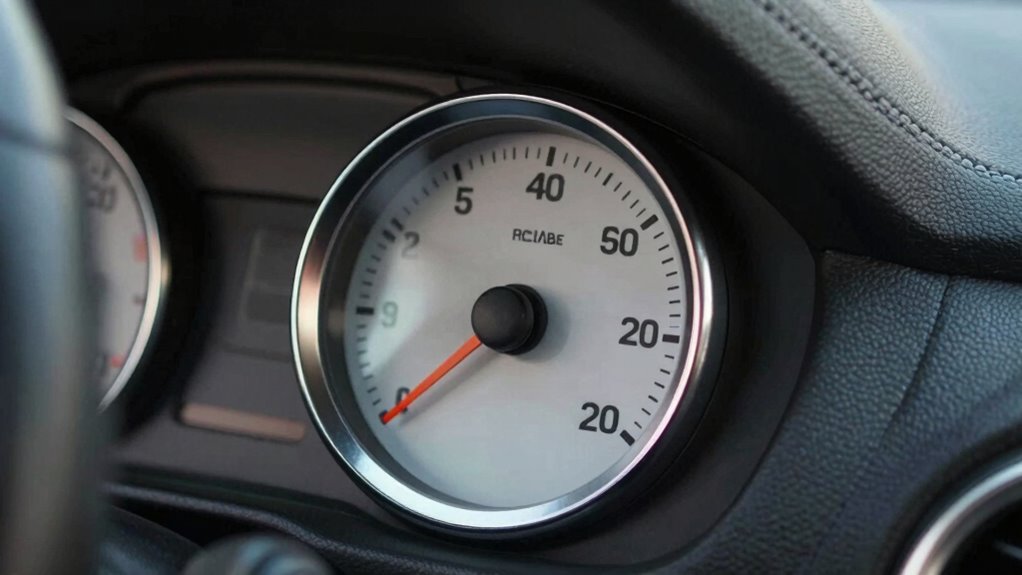
Before adding an oil pressure gauge, make sure you calibrate it properly following the manufacturer’s instructions, and verify accuracy with a known pressure source. Safety is key—disconnect the battery, turn off the engine, and confirm it’s cool before starting. Choose a visible, accessible location for installation and secure all wiring and fittings tightly. Regular maintenance and checks are essential for reliable readings. Keep these tips in mind to guarantee a safe, accurate setup—you’ll discover more important details as you continue.

Get business pricing on garage and car supplies
- Business-only prices and quantity discounts
- Tax-exempt purchasing
- Multiple users, one account, clear invoices
Key Takeaways
- Ensure proper calibration for accurate readings before installation.
- Disconnect the battery and wait for the engine to cool to ensure safety.
- Choose a visible, accessible mounting location that does not interfere with other components.
- Verify correct wiring, insulation, and secure connections to prevent false readings.
- Regularly inspect and maintain the gauge and connections for ongoing accuracy and safety.
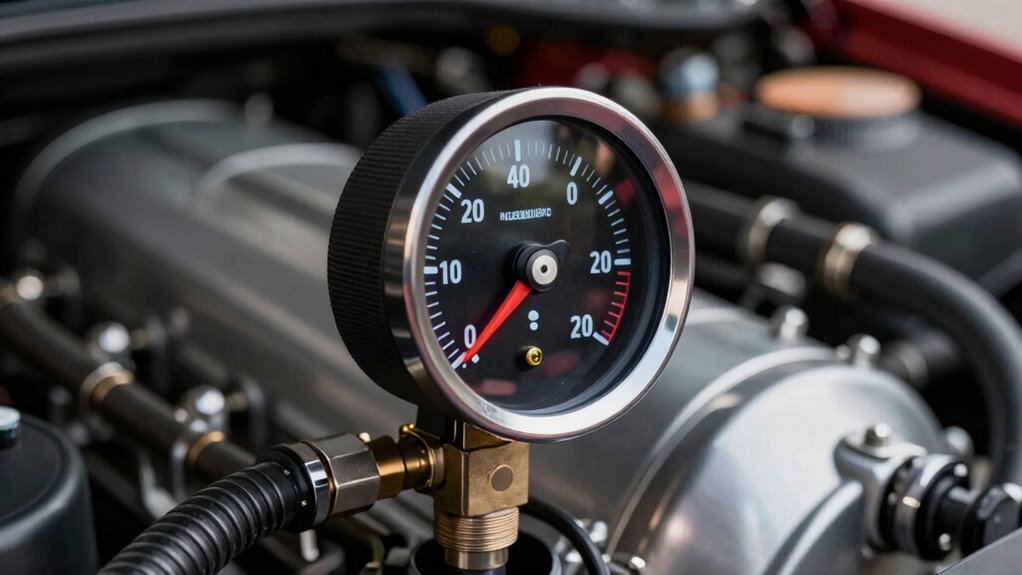
Installing an oil pressure gauge can be a smart move to monitor your engine’s health, but it’s important to understand what’s involved before you start. One of the key steps is confirming proper sensor calibration so that your gauge provides accurate readings. A miscalibrated sensor can give you false data, leading to unnecessary worry or missed warning signs. To calibrate the sensor correctly, you’ll need to follow the manufacturer’s instructions carefully, often involving comparing the gauge’s readings to a known pressure source or using a calibration tool. Proper calibration is essential for reliable monitoring and helps you catch potential engine issues early.
Another critical aspect to contemplate is installation safety. Working with your vehicle’s electrical system and engine components can be dangerous if you’re not cautious. Before you begin, disconnect the battery to prevent electrical shorts or sparks. Make sure the engine is cool to avoid burns or other injuries. When installing the sensor, you’ll typically need to locate the oil pressure port on your engine block, which can vary depending on your vehicle model. Use the correct tools and fittings to avoid damaging the port or causing leaks. Securely tightening connections prevents oil leaks and ensures accurate readings. If you’re not confident in your mechanical skills, it’s wise to consult a professional to avoid any mishaps.
Additionally, pay attention to the placement of the gauge itself. Mount it where you can easily see it while driving without distraction. Proper placement not only enhances safety but also ensures you can respond quickly if the gauge indicates abnormal oil pressure. When wiring the sensor and gauge, double-check all connections for tightness and correctness. Poor wiring can lead to false readings or electrical issues. Use appropriate insulation and protective covers to prevent damage from heat, moisture, or vibration. Proper wiring and electrical safety are crucial to avoid malfunctions or vehicle damage.
It’s also beneficial to familiarize yourself with the typical pressure ranges for your engine to interpret the readings accurately and avoid misinterpretation of the gauge’s data. Before fully integrating the gauge into your vehicle’s dashboard, test it thoroughly. Turn on your engine and observe the readings to verify they respond correctly to engine pressure changes. If you notice any irregularities, revisit your installation steps, check calibration, and ensure all connections are secure. Regularly reviewing your oil pressure system and understanding its components will help maintain your vehicle’s performance and safety. Installing an oil pressure gauge can be rewarding, but it demands attention to detail, safety, and precision. By focusing on sensor calibration and installation safety, you’ll get accurate, reliable data that helps you keep your engine running smoothly and avoid costly repairs down the line.
As an affiliate, we earn on qualifying purchases.
Frequently Asked Questions
Can I Install an Oil Pressure Gauge Myself?
Yes, you can install an oil pressure gauge yourself if you follow proper installation safety procedures and guarantee accurate gauge calibration. Start by turning off your engine and disconnecting the battery. Carefully locate the oil pressure port, then use the right tools to install the sensor. Double-check all connections for leaks before starting your engine. Proper calibration and careful handling help guarantee the gauge provides reliable readings and safe operation.
How Often Should I Check My Oil Pressure Gauge?
You should check your oil pressure gauge regularly, especially before long drives or if you notice any oil pressure warning lights. Aim for weekly checks to guarantee accurate readings, and consider gauge calibration if the pressure seems inconsistent. Promptly address any abnormal readings or warning alerts to prevent engine damage. Consistent monitoring helps you catch issues early and keeps your vehicle running smoothly and safely.
Will Adding a Gauge Affect My Vehicle’s Warranty?
Think of installing a gauge like adding a new piece to your vintage car—exciting but requires care. Generally, it won’t void your warranty if you follow proper installation safety procedures and use quality parts. However, some manufacturers might have specific stipulations, so check warranty considerations before proceeding. If installed correctly, the gauge helps monitor oil pressure without risking your warranty, giving you peace of mind on every drive.
What Are the Signs of a Faulty Oil Pressure Gauge?
You’ll notice a faulty oil pressure gauge if it shows erratic readings, constantly fluctuates, or stays at zero despite engine operation. Sometimes, it might give false warnings or not respond during sensor calibration. Check for gauge compatibility to guarantee proper operation. If you see these signs, consider inspecting the sensor and calibration, as a malfunctioning gauge can mislead you about your engine’s health, risking damage.
Is There a Recommended Type or Brand for Oil Pressure Gauges?
You should choose a reputable brand like AutoMeter or Insight for oil pressure gauges, as they offer reliable readings and durability. When installing, follow precise installation procedures, guaranteeing proper placement and secure connections. Calibration techniques involve running the engine and adjusting the gauge to match a known pressure source. This ensures accurate readings, helping you monitor oil pressure effectively and prevent engine damage.
vehicle oil pressure sensor calibration tool
As an affiliate, we earn on qualifying purchases.
As an affiliate, we earn on qualifying purchases.
Conclusion
Installing an oil pressure gauge is like giving your engine a heartbeat monitor, revealing its true health beneath the hood. It’s a small investment that acts as your car’s guardian angel, alerting you to silent warning signs before they become costly problems. With this simple addition, you’re not just adding a gauge—you’re tuning into your engine’s story, ensuring it keeps beating strong mile after mile. Trust in this quiet sentinel to keep your journey safe and smooth.
car oil pressure gauge mounting kit
As an affiliate, we earn on qualifying purchases.
As an affiliate, we earn on qualifying purchases.
automotive wiring insulation kit
As an affiliate, we earn on qualifying purchases.
As an affiliate, we earn on qualifying purchases.
Fall Picks
fall essentials
As an affiliate, we earn on qualifying purchases.