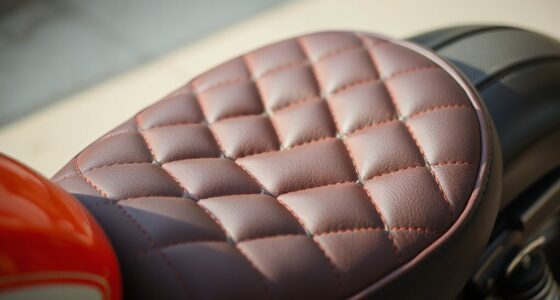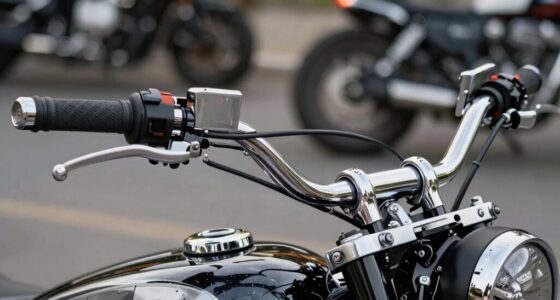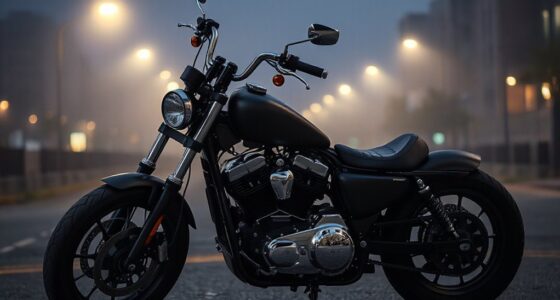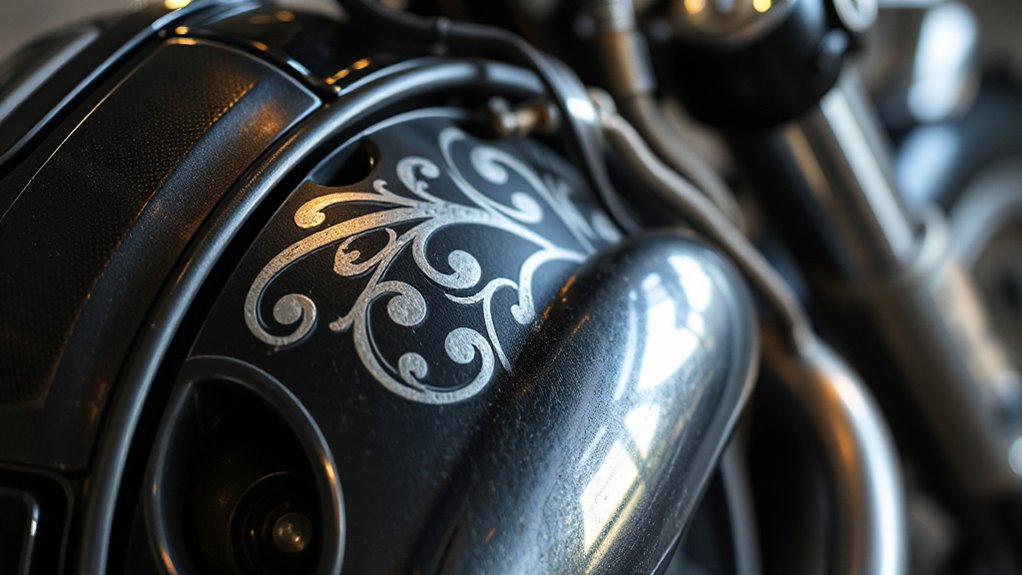
Engraving metal on your bike’s parts adds a classic, personalized touch that showcases craftsmanship and durability. You can choose from hand, laser, or chemical techniques to create detailed designs or functional markings, depending on your style and the material. This old-school artistry not only makes your bike stand out but also offers long-lasting beauty. Want to explore how different methods and materials can elevate your bike’s look? Keep going for insights.
Key Takeaways
- Traditional hand engraving offers detailed, artistic designs that add a classic, old-school touch to bike parts.
- Selecting the right metal and surface preparation enhances engraving clarity and durability on bikes.
- Artistic engraving techniques can personalize handlebars, frames, and decorative components for a vintage look.
- Proper technique and surface treatment ensure the engraved designs remain durable and visually appealing over time.
- Combining craftsmanship with metal engraving creates unique, timeless accents that elevate your bike’s aesthetic.
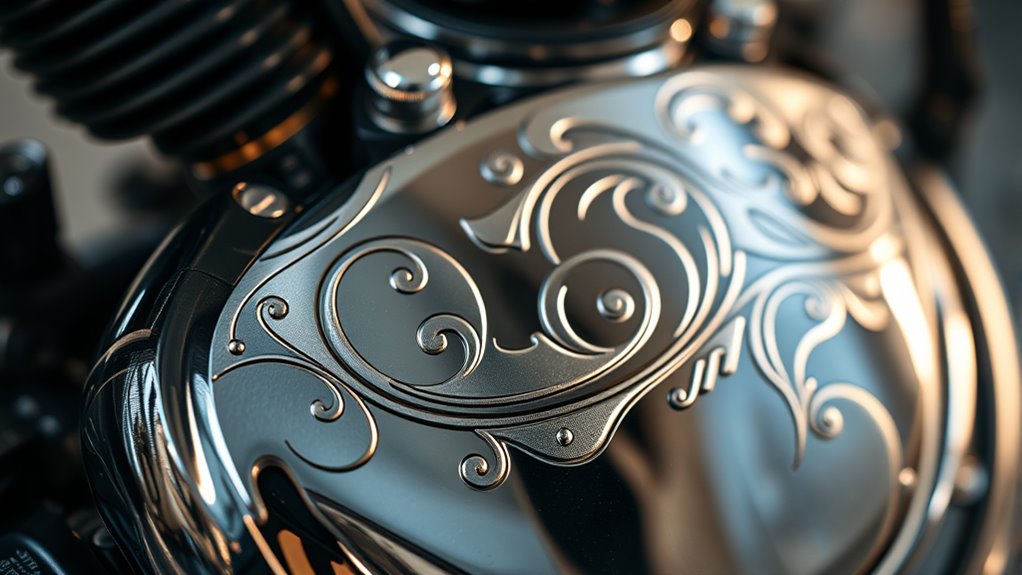
You are trained on data up to October 2023. Understanding the science behind engraving techniques helps ensure durable and precise results over time.
Frequently Asked Questions
What Tools Are Best for Beginner Metal Engraving?
For beginners, the best tools for metal engraving are simple rotary tools with fine tips and a steady hand. You can also try metal stamping for easy designs, which requires less skill. Start with a basic rotary tool kit that includes different bits, and practice on scrap metal first. With patience, you’ll develop your skills and create unique, custom engravings on your bike parts.
How Long Does Engraved Detail Typically Last?
Did you know engraved metal can last decades if properly cared for? The durability factors, like the type of metal and engraving depth, play a big role. Typically, engraved detail can withstand years of wear and tear, often 10-20 years or more, especially on harder metals like stainless steel. Regular maintenance, avoiding harsh chemicals, and gentle cleaning help preserve the intricate designs, ensuring your bike’s engraved parts stay sharp and vibrant over time.
Can Engraving Be Done on All Types of Metal?
Yes, you can do engraving on most metal types, but some respond better to specific engraving techniques like metal etching or hand engraving. Softer metals like aluminum or copper are easier to work with, while harder metals like stainless steel or titanium may require specialized tools. Before starting, consider the metal’s properties and choose the right engraving techniques to guarantee your design turns out crisp and lasting.
Is Professional Engraving More Durable Than DIY?
Professional engraving is more durable than DIY because experts use high-quality tools, precise techniques, and durable finishes, ensuring lasting results. With metal etching and diverse engraving styles, pros can achieve intricate, consistent designs that withstand wear and weather. You benefit from consistent quality, detailed craftsmanship, and longevity, making professional work ideal for bike parts that face frequent exposure and use. Investing in professional engraving guarantees a more durable, polished, and impressive finish.
What Maintenance Is Required for Engraved Bike Parts?
To maintain engraved bike parts, you should regularly clean them with gentle restoration techniques to preserve the artistic styles. Avoid harsh chemicals that could damage the engraving’s detail. Keep the metal dry to prevent rust, and occasionally apply a protective wax or sealant. If needed, touch up the engraving with professional restoration techniques to keep the old-school artistry vibrant, ensuring your bike remains both functional and a work of art.
Conclusion
By engraving your bike’s metal parts, you’re not just adding a personal touch—you’re embracing a craft that’s stood the test of time. It gives your ride a unique character and a sense of timeless artistry. Think of it as blending old-school craftsmanship with modern cycling. When you customize with engraving, you’re creating more than a bike—you’re making a statement that endures. So, why not add a little history and personality to your ride today?