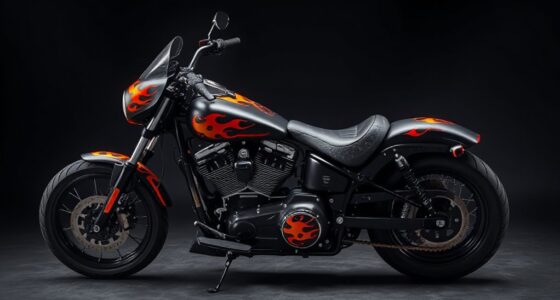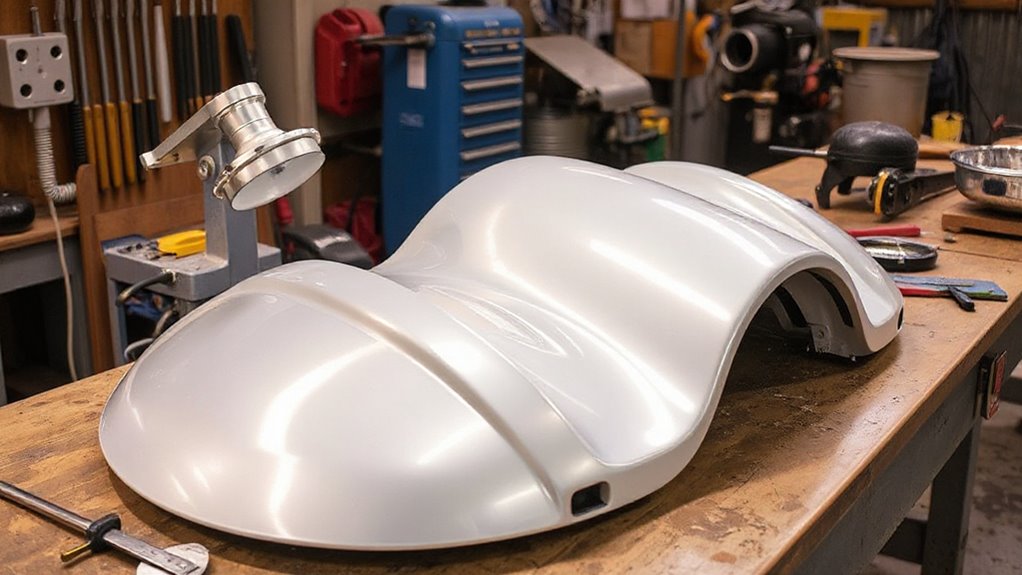
To make custom fairings and parts with fiberglass and metal, you’ll choose appropriate fabrication methods like hand lay-up, vacuum infusion, or spray-up for fiberglass, and welding, cutting, or CNC machining for metals. These techniques allow you to shape lightweight, durable components suited for various applications. Selecting the right material and process guarantees your parts have the strength, precision, and finish you need. Keep exploring to discover how mastering these methods can elevate your fabrication projects.
Key Takeaways
- Fiberglass fabrication uses hand lay-up, spray-up, and vacuum infusion for complex, lightweight, and smooth fairing surfaces.
- Metal fabrication involves cutting, bending, welding, and CNC machining for durable, precisely shaped parts.
- Material selection impacts fabrication methods, with fiberglass suited for lightweight, corrosion-resistant parts, and metals for high-strength requirements.
- Proper technique choice ensures high-quality, performance-optimized fairings that meet specific application needs.
- Combining fabrication methods and material properties results in custom fairings with optimal strength, weight, and durability.
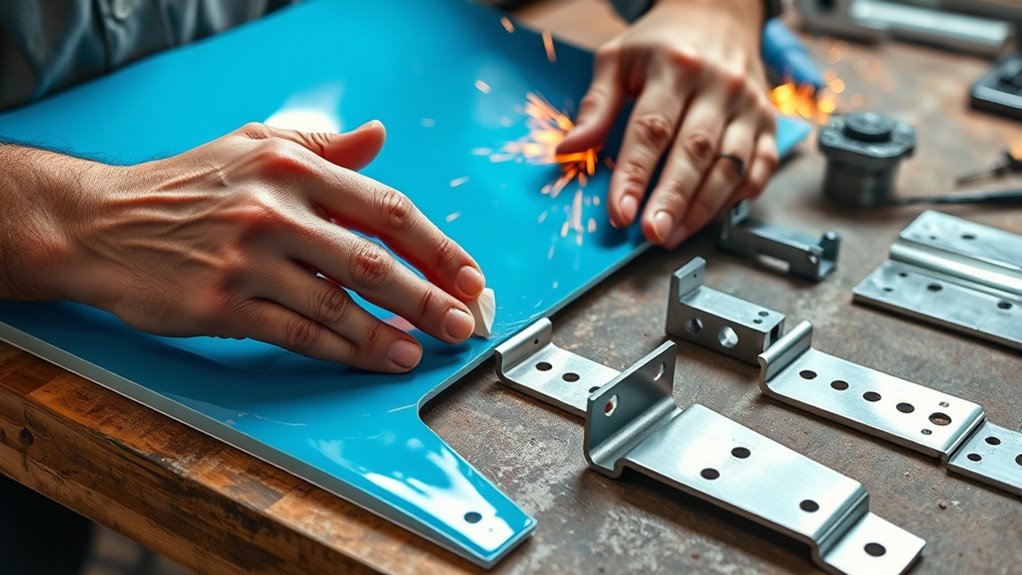
Fiberglass and metal fabrication are vital processes used to create durable, custom components for a wide range of industries. Whether you’re designing aerodynamic fairings for vehicles or specialized parts for machinery, understanding how these materials and techniques come together is key to achieving high-quality results. Material strength plays an essential role in selecting the right fabrication method, as it determines how well a component withstands stress, impact, and environmental factors. With fiberglass, you benefit from excellent corrosion resistance and lightweight properties, making it ideal for parts that require strength without added weight. Metal fabrication, on the other hand, offers exceptional strength and durability, especially with materials like aluminum, steel, or titanium, which can be manipulated into complex shapes while maintaining structural integrity.
Your choice of fabrication techniques directly influences the quality, precision, and performance of your parts. For fiberglass, common methods include hand lay-up, spray-up, and vacuum infusion. Hand lay-up involves layering fiberglass cloth with resin, allowing for custom shapes and thicknesses. Vacuum infusion improves fiber resin distribution, resulting in stronger, more consistent parts. These techniques enable you to produce fairings and components with complex contours and smooth finishes, essential for aerodynamic applications or aesthetic purposes. Metal fabrication employs cutting, bending, welding, and machining to shape raw materials into precise components. Techniques like TIG or MIG welding ensure strong, seamless joints, while CNC machining offers high precision for intricate features. By mastering these methods, you can create parts that meet exact specifications and withstand demanding conditions. Additionally, understanding the properties of materials helps optimize each fabrication process for better performance and durability.
Frequently Asked Questions
What Are the Best Protective Coatings for Fiberglass and Metal Parts?
You should use paint protection and UV coatings to best safeguard your fiberglass and metal parts. These coatings prevent damage from UV rays, corrosion, and scratches, ensuring longevity and a fresh appearance. Applying a high-quality clear coat or specialized UV-resistant paint creates a durable barrier. Regular maintenance and reapplication when needed will keep your parts protected, looking new, and performing well over time.
How Do I Prevent Corrosion on Metal Fabrications?
Think of corrosion like a slow, sneaky villain—your goal is to keep it at bay. To prevent rust, you should apply effective coating techniques like primer, paint, or sealants that create a protective barrier. Regular maintenance, such as cleaning and inspecting for damage, also helps. Using rust prevention products or galvanization can further shield your metal fabrications, ensuring they stay strong and corrosion-free over time.
What Are Common Challenges in Customizing Fiberglass Fairings?
You might face challenges with surface prep, ensuring a smooth, clean finish that adheres well. Mold design is vital; if it’s not precise, your fairings could have imperfections or fit issues. Managing complex shapes and tight tolerances also pose difficulties. To overcome these, invest time in proper surface prep, focusing on cleanliness and smoothness, and design molds meticulously, considering the final shape and ease of removal.
How Long Does It Typically Take to Fabricate Custom Fairings?
Timing your tailored fairings depends on your project’s complexity and clarity. Typically, designing the process and selecting suitable materials take a few days, while fabrication might stretch from one to three weeks. You can speed things up by streamlining decisions and providing detailed designs early. Patience pays because precision, perfection, and proper planning make sure your custom fairings fit flawlessly and function flawlessly, fueling your project’s fierce forward progress.
Are There Eco-Friendly Materials Available for Fiberglass and Metal Fabrication?
Yes, eco-friendly materials are available for fiberglass and metal fabrication. You can use biodegradable resins that break down naturally, reducing environmental impact. Recycled metals are also an option, helping to minimize waste and conserve resources. These sustainable choices allow you to create custom fairings and parts while supporting environmental responsibility. Incorporating biodegradable resins and recycled metals into your projects helps reduce your carbon footprint without sacrificing quality or durability.
Conclusion
Whether you’re crafting custom fairings or intricate parts, fiberglass and metal fabrication are your trusty tools. Think of them as the sculptor’s chisel, shaping your ideas into reality with precision and strength. With the right techniques, you can turn raw materials into masterpieces that stand out. So, roll up your sleeves and plunge into—your perfect project is just a fabrication away, waiting to take flight like a phoenix rising from the ashes.