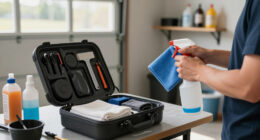
To add color to your engine without overheating issues, choose high-temperature, heat-resistant automotive paints designed for extreme heat conditions. Start by thoroughly cleaning and preparing the engine surface, masking off electrical parts, and applying multiple thin coats for durability. To prevent heat damage, consider using heat-reflective coatings or thermal insulation around critical areas. Proper application and insulation help maintain vibrant color and protect your engine, and if you keep going, you’ll discover more tips to guarantee lasting results.
Key Takeaways
- Choose high-temperature, engine-specific paints designed for durability and heat resistance.
- Ensure thorough cleaning and surface prep before applying thin, even coats for better adhesion.
- Mask electrical components and use proper tools to prevent paint damage and achieve a smooth finish.
- Incorporate heat-resistant coatings or thermal wraps to reflect heat and protect the paint from overheating.
- Allow adequate drying and curing time, and consider adding thermal insulation to extend paint longevity.
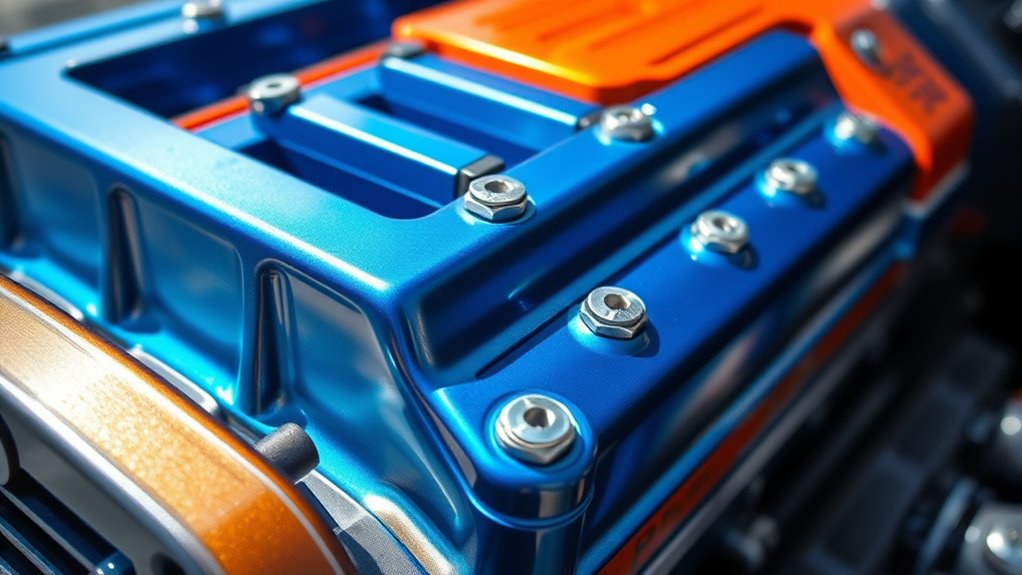
Painting your engine might seem like a formidable task, but with the right preparation and techniques, it’s a manageable way to give your vehicle a fresh, customized look. The key is understanding how to protect the engine from heat and guarantee the paint stays intact over time. To do this effectively, you need to choose the right type of paint and consider adding a layer of thermal insulation to prevent heat buildup and damage. High-temperature engine paints are specially formulated to withstand extreme heat, making them ideal for this purpose. These paints typically have excellent paint durability, meaning they resist chipping, cracking, and fading even under the intense conditions of engine operation. When selecting your paint, look for options explicitly designed for automotive engines—these are engineered to endure high temperatures and remain glossy and vibrant for years.
High-temperature engine paints resist chipping, cracking, and fading under extreme engine conditions.
Before you start painting, proper surface preparation is essential. Ensure the engine is cool, then clean it thoroughly to remove grease, oil, dirt, and rust. Use a degreaser and a wire brush if necessary, then wipe it down with a solvent like acetone. This step guarantees better paint adhesion and reduces the risk of peeling or bubbling later on. Once the surface is clean and dry, masking off any parts you don’t want painted, such as electrical components, sensors, or belts, with high-temperature-resistant tape. Applying a primer designed for metal surfaces can further enhance paint durability and thermal insulation, acting as a barrier to heat and providing a more uniform base for your color coat.
When applying the paint, use light, even coats to avoid drips and ensure a smooth finish. Multiple thin layers are better than one thick coat, as they cure more evenly and improve the overall durability of the finish. After the final coat, allow ample drying time as specified by the manufacturer. For added thermal insulation, consider using heat-resistant coatings or wraps around critical areas. These products help reflect heat away from sensitive components and minimize the risk of overheating, prolonging the life of both the paint and the engine. Remember, patience is key; rushing through the process can compromise the quality of your finish and reduce the longevity of your paint job.
In the end, with careful preparation and the right materials, you’ll enjoy a vibrant, durable finish that not only looks great but also helps manage engine heat. Proper thermal insulation combined with high-quality paint assures your engine remains protected from extreme temperatures, so your custom look lasts longer and performs better over time.

USANOOKS Microfiber Cleaning Cloth Grey - 12 Pcs (12.5"x12.5") - High Performance - 1200 Washes, Ultra Absorbent Microfiber Towel Weave Grime & Liquid for Streak-Free Mirror Shine - Car Washing Cloth
10x GRIP-ROOT WEAVE - TRAP MORE, WORK LESS: Ultra-absorbent microfiber towels for car Grip Root weave works like...
As an affiliate, we earn on qualifying purchases.
Frequently Asked Questions
What Types of Paint Are Safest for Engine Components?
You should use heat resistant, oil-based paints on your engine components. These paints are safe because they withstand high temperatures without peeling or melting. Avoid regular paints, as they lack heat resistance and can cause overheating issues. Oil-based, heat resistant paints adhere well and provide long-lasting color, ensuring your engine looks great while staying protected. Always check the product specifications to confirm they’re suitable for engine use.
How Long Does Engine Paint Last Under Normal Driving Conditions?
Your engine paint typically lasts around 2 to 3 years under normal driving conditions. Its durability depends on engine heat resistance and how well you prep and apply it. Using high-quality, heat-resistant paint helps prevent peeling and fading, even with regular engine heat. To extend its lifespan, keep your engine clean, avoid harsh chemicals, and touch up areas as needed. Proper maintenance guarantees your engine maintains its vibrant look longer.
Can Painting the Engine Impact Its Resale Value?
Ever wondered if painting your engine affects its resale value? It can, depending on how well you do it. A fresh coat of paint in popular color options can boost appeal, but if it looks sloppy or causes engine corrosion, it might hurt your sale. Proper prep and quality paint are key. You want potential buyers to see a clean, maintained engine that hints at overall care, not just a splash of color.
Does Engine Paint Void Manufacturer Warranties?
No, engine paint typically doesn’t void your manufacturer warranty, but it can impact warranty implications if the paint causes damage or affects engine performance. To guarantee durability and avoid issues, choose high-quality engine paint designed for durability and heat resistance. Keep the original parts unaltered, and follow manufacturer guidelines. Properly applied, engine paint enhances appearance without risking warranty coverage or causing overheating problems.
How Often Should Engine Paint Be Reapplied for Maintenance?
Think of your engine like a heartbeat—consistent and essential. You should reapply engine paint about every 2-3 years, depending on your driving habits. Regularly check your engine temperature and paint durability; if the color starts to fade or peel, it’s time for a touch-up. Keeping your paint fresh not only maintains aesthetics but also helps protect your engine from corrosion and heat damage.

HOMEXCEL Microfiber Cleaning Cloth 12 Pack, 12.5 x 12.5 inch Microfiber Towels for Cars, Ultra Absorbent Washing Cloth, Lint Free Streak Free Cleaning Rags for Car, Kitchen, and Window (Grey)
Unparalleled Cleaning Performance: Our microfiber towels provide outstanding water absorption and adhesion; effortlessly absorb dirt and liquid, delivering...
As an affiliate, we earn on qualifying purchases.
Conclusion
Painting your engine lets you add personality and style, transforming a dull component into a statement piece. But remember, color isn’t just about looks; it’s about protection and performance. By choosing the right heat-resistant paint, you guarantee your engine stays cool and vibrant under pressure. So, while a splash of color can brighten your ride, it’s the careful balance of aesthetics and function that truly keeps your engine running smoothly and looking great for miles to come.

AIDEA Microfiber Cleaning Cloth-50PK, Microfiber Towels for Cars, 12×12"
Super Absorbent: Experience the excellent quality of AIDEA all-purpose microfiber cleaning cloths; made from premium materials; offering exceptional...
As an affiliate, we earn on qualifying purchases.

SCOTTeVEST Pack Windbreaker Jacket for Women - 19 Hidden Pockets - Lightweight Water Repellent Coat for Travel & More (Gray, Large)
[ 19 Hidden Pockets For Travel ] - Featuring over 15 concealed pockets this low profile women's travel...
As an affiliate, we earn on qualifying purchases.