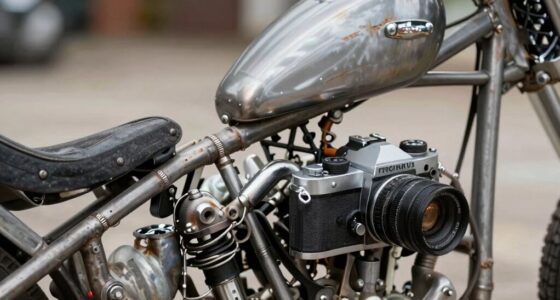
To find custom parts for vintage motorcycles, start with local swap meets and rallies where you can inspect parts firsthand and negotiate better deals. Expand your search online with marketplaces like eBay and specialized forums, comparing seller ratings and photos. Keep an eye on market trends, demand, and regional options, especially from North America, Asia-Pacific, and Europe. To avoid costly mistakes, verify authenticity through detailed inspection and ask questions—discover more tips to master your sourcing strategy.
Key Takeaways
- Attend local swap meets and rallies to inspect, negotiate, and network for unique or custom vintage motorcycle parts.
- Use online marketplaces like eBay and specialized forums to find a wide range of vintage and custom components.
- Verify authenticity and condition through detailed photos, seller ratings, and cross-referencing part numbers before purchasing.
- Consider regional market dynamics; North America, Europe, and Asia-Pacific have different demand and sourcing opportunities.
- Communicate clearly with sellers about shipping, import regulations, and part details to ensure reliable and authentic acquisitions.
Exploring In-Person Swap Meets and Motorcycle Rallies
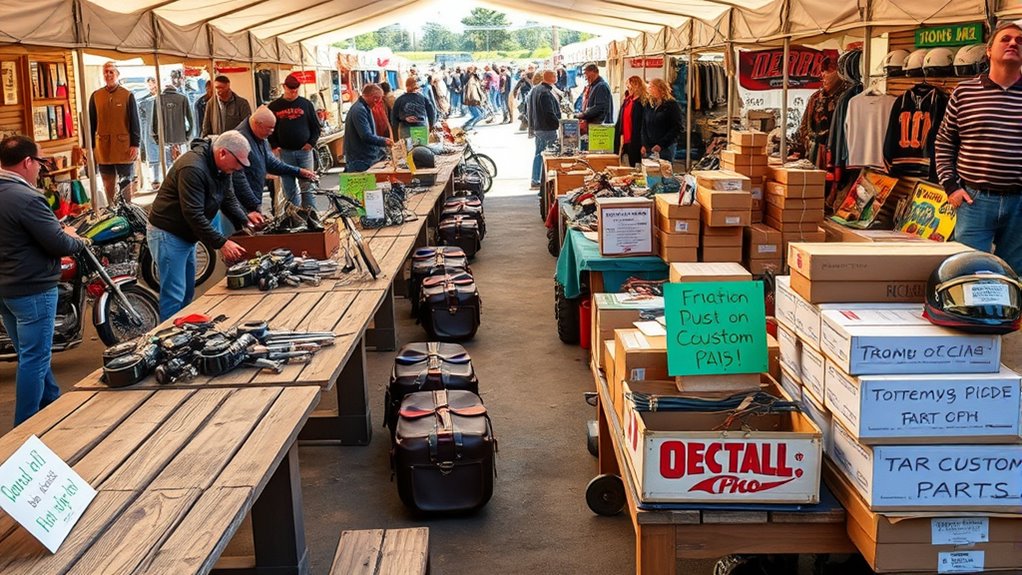
Exploring in-person swap meets and motorcycle rallies is a hands-on way to find vintage parts that online shopping can’t always match. When you attend these events, you get the chance to inspect parts directly, checking for wear, authenticity, and fit. Bargaining face-to-face often leads to better deals and the opportunity to negotiate prices or trade items. Local and regional swap meets vary from small community gatherings to large national shows, offering a wide range of parts and enthusiasts. Motorcycle rallies often feature dedicated swap areas packed with rare and custom components. These events also serve as networking hubs, connecting you with collectors and restorers who might have exactly what you need or valuable leads on hard-to-find parts. Additionally, attending these events helps you stay informed about market trends, ensuring you make knowledgeable purchases and stay ahead in the vintage motorcycle restoration scene. Participating in these gatherings can also provide insight into the latest restoration techniques and tools used by seasoned enthusiasts, which can be further explored through specialized workshops. Engaging directly with other enthusiasts can also lead to valuable trade opportunities, making your restoration projects more successful.
Navigating Online Marketplaces for Vintage Parts
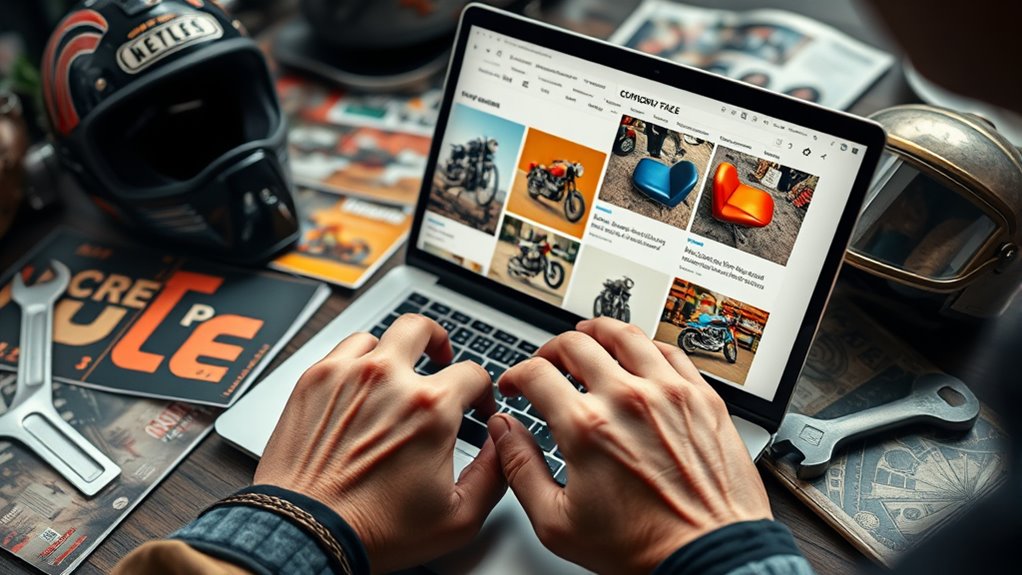
Online marketplaces have become essential tools for vintage motorcycle enthusiasts seeking rare and custom parts, offering unmatched access to a global inventory. You can browse countless listings on platforms like eBay, Etsy, and specialized forums, making it easier to find specific components. To navigate effectively, compare seller ratings, detailed photos, and condition reports. Use filters to narrow searches by model, year, or part type, and verify compatibility carefully. Consider shipping costs and import regulations, especially for international sellers. Additionally, understanding marketplace safety can help prevent scams and ensure a smooth purchasing process. Being aware of affiliate disclosure policies also helps in understanding how commissions might influence product recommendations. Recognizing how search filters improve your search efficiency can save you time and frustration. Familiarizing yourself with reputable sources ensures you acquire quality parts and avoid counterfeit items. Here’s a quick overview:
| Platform | Strengths | Tips for Success |
|---|---|---|
| eBay | Wide selection | Check seller reviews |
| Etsy | Unique handmade parts | Read detailed descriptions |
| Forums | Niche expertise | Engage with community |
These tools streamline your search, but diligence guarantees quality and authenticity. Incorporating expert tips can further improve your success in finding the right parts.
Understanding Market Trends and Demand Drivers
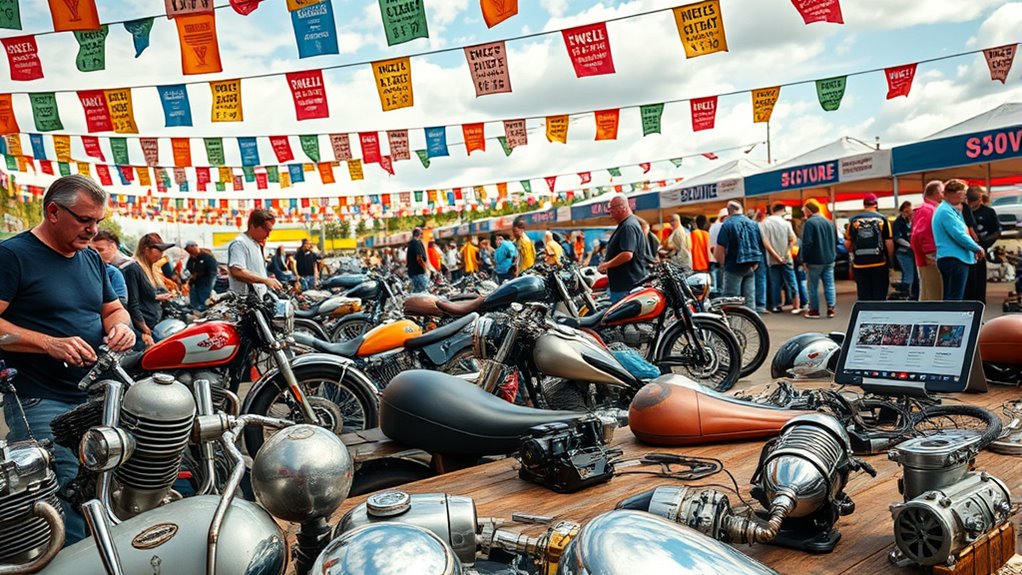
As the market for vintage motorcycle parts continues to evolve, understanding the key trends and what drives demand can help you make smarter buying decisions. The global market is growing, fueled by increasing motorcycle ownership and rising interest in customization. Rarity and shared compatibility heavily influence part value, especially for discontinued models. Demand is also driven by vintage and retro styles, with riders seeking personalized, unique bikes. Regional differences are significant: North America leads in high-value restorations, Asia-Pacific sees rapid growth, and Europe emphasizes OEM parts. Technological integration and niche markets, like LED lighting or fabricated components, expand options. Staying aware of these trends helps you identify high-demand parts, anticipate price fluctuations, and spot emerging opportunities in the vintage motorcycle scene. Keeping an eye on popular gelato flavors and trends can also inspire unique customization ideas for vintage bikes. Additionally, understanding market trends and demand drivers enables collectors and restorers to better assess the true value of rare components and avoid overpaying. Recognizing shifts in consumer preferences can further enhance your ability to predict which parts will appreciate in value over time. Monitoring market fluctuations and their impact on pricing can give you an edge in negotiations and acquisitions. Moreover, being familiar with precious metals IRAs market dynamics can provide insights into how broader economic factors influence collectible parts investments.
Overcoming Challenges in Sourcing Rare Components
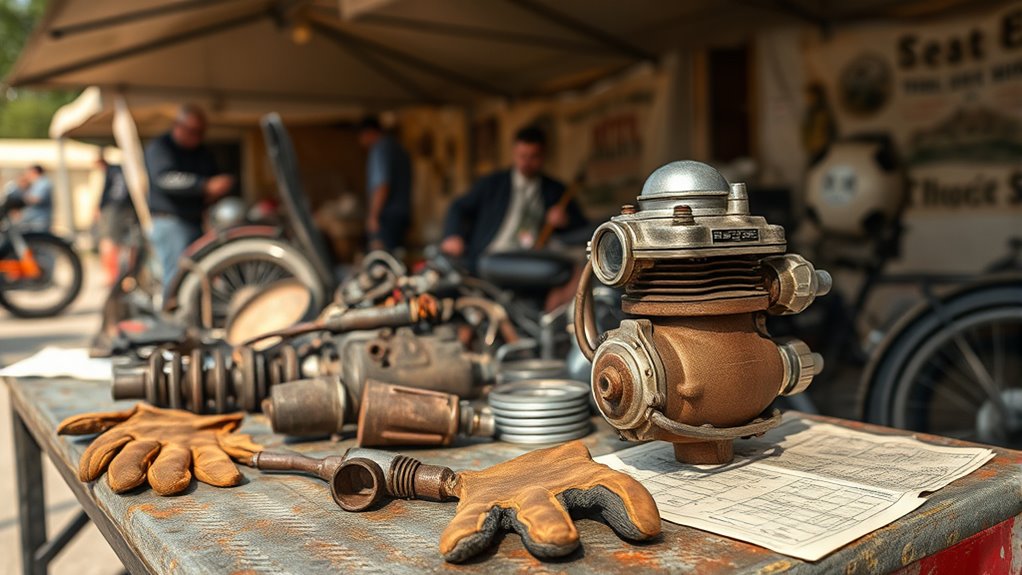
Finding rare vintage motorcycle parts can be tough, especially when you’re searching across multiple sources or international markets. You need to verify authenticity remotely, which requires careful inspection of photos and detailed descriptions. Shipping challenges, like high costs or import regulations, can complicate the process and add to your project’s hurdles. Additionally, understanding pool terminology and processes can help you better communicate with suppliers and evaluate authenticity more effectively. To stay organized and streamline your search, utilizing effective document management techniques can make the process less overwhelming and more efficient. Familiarity with best safety glasses for 2024 can also protect your eyes when working on parts or in workshops, ensuring safety during detailed inspections. Being aware of authenticity verification methods and how to spot forged or counterfeit parts is crucial for distinguishing genuine parts from replicas and avoiding costly mistakes.
Locating Rare Parts Sources
Locating rare vintage motorcycle parts can be challenging, especially when mainstream sources fall short. To find these elusive components, expand your search beyond local shops. Explore international online marketplaces, such as specialized forums or auction sites like eBay, where collectors and sellers list hard-to-find parts. Networking with vintage motorcycle clubs or attending niche events can also lead to valuable leads and direct contacts. Salvage yards and bike graveyards often harbor hidden treasures; don’t hesitate to inquire about parts from disassembled bikes. Additionally, consider reaching out to overseas sellers who may have access to parts unavailable locally. Persistence, combined with thorough research and building relationships within the vintage community, dramatically improves your chances of sourcing those rare and coveted components. Tapping into specialized motorcycle resources can further enhance your search and connect you with knowledgeable enthusiasts who might have the parts you need.
Verifying Authenticity Remotely
Verifying the authenticity of vintage motorcycle parts remotely can be challenging, but it’s essential to avoid costly mistakes. You need to be diligent with your research and ask detailed questions. Here are three key steps:
- Request Detailed Photos: Ask for clear, close-up images showing markings, serial numbers, and wear to verify the part’s original features. Additionally, examining water-related features can help confirm if the part was designed for water-cooled engines or similar applications. Being aware of common counterfeit indicators can further assist in identifying genuine parts. Consulting vintage motorcycle design principles can also provide context for verifying authenticity.
- Compare Part Numbers: Cross-reference seller-provided numbers with manufacturer catalogs or trusted databases to confirm authenticity.
- Check Seller Reputation: Review feedback, ratings, and previous transactions to gauge reliability and honesty, especially on online marketplaces.
Managing Shipping Challenges
Have you ever faced unexpected shipping delays or high costs when sourcing rare vintage motorcycle parts? Managing these challenges requires careful planning. Always verify seller shipping policies beforehand, especially for international orders. Choose reputable vendors with tracking options and clear delivery estimates. Consider alternative shipping methods like expedited or insured shipping to avoid delays and protect valuable parts. Be aware of import regulations, customs fees, and potential tariffs that can add costs or cause hold-ups. Communicate with sellers about estimated delivery times and ask about packaging standards to prevent damage. If timing is critical, prioritize local sources or meet-up options. Staying proactive and informed helps you navigate shipping hurdles, ensuring your vintage parts arrive safely, on time, and within your budget. Incorporating organized procurement strategies can further streamline your sourcing process, especially given the complexity of international shipping.
The Impact of Customization Trends on Parts Availability
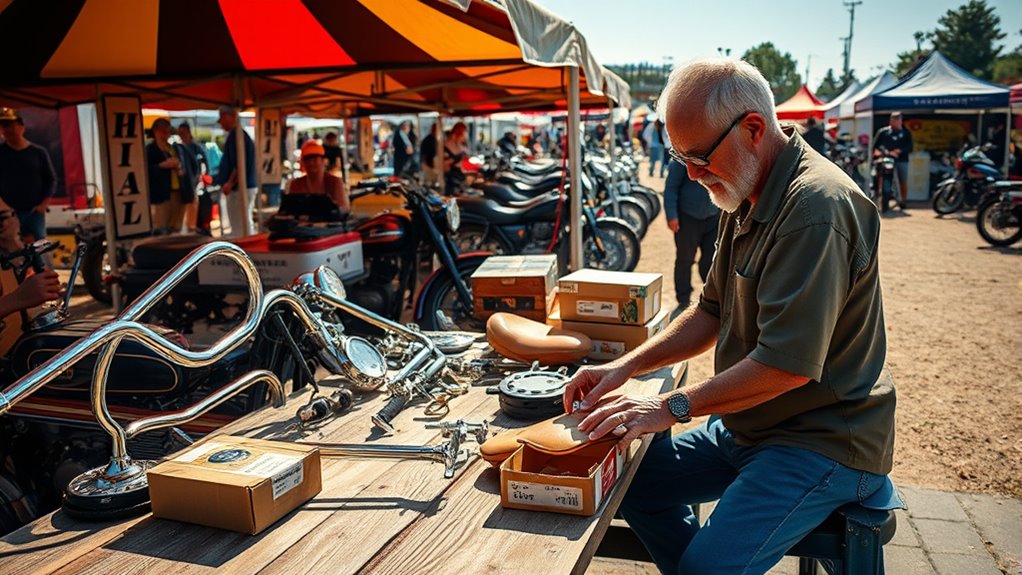
As customization trends continue to shape the vintage motorcycle scene, they especially influence the availability of parts needed for personalized builds. Demand for unique, aftermarket, and vintage components has surged, creating both opportunities and challenges.
Customization trends boost vintage parts demand, opening opportunities but complicating sourcing for builders.
- The rise in custom projects boosts the need for niche parts, increasing competition for rare items and driving up prices.
- As builders seek authentic or fabricated elements, small producers and online vendors expand their offerings, but sourcing specific parts can become complex.
- The shift toward technological upgrades, like LED lighting or modern electronics, enhances demand for specialized components, sometimes leading to shortages in traditional vintage parts.
These trends make parts more accessible for some but complicate sourcing for others, impacting overall availability and pricing.
Regional Market Dynamics and Opportunities
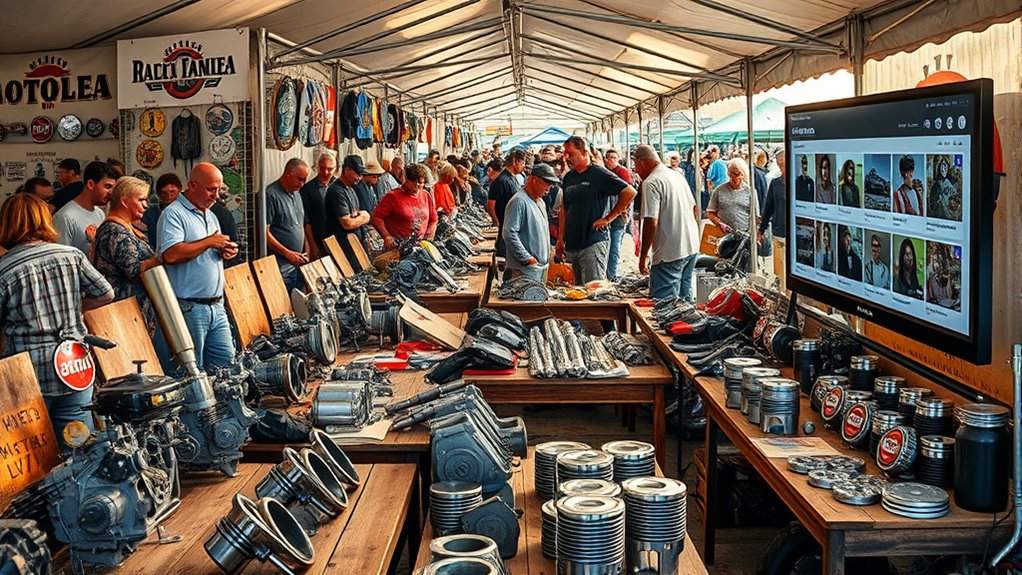
Regional market dynamics heavily influence where you can find vintage motorcycle parts and what opportunities are available. Growth hotspots like Asia-Pacific and Europe offer unique sourcing options, from local dealers to international exports. Understanding these regional trends helps you tap into the best sources for rare and custom components.
Market Growth Hotspots
Where should you focus your efforts to tap into the fastest-growing markets for vintage motorcycle parts? The key hotspots are regions experiencing rapid growth driven by cultural enthusiasm and increasing ownership.
- Asia-Pacific: This region leads expansion, with rising motorcycle ownership and exports from China fueling demand for retro and vintage parts.
- Emerging Markets: Countries like India and Southeast Asia see a surge in middle-class riders embracing customization, creating new opportunities for sourcing and selling parts locally and online.
- Europe: Strong brand-specific communities and high-quality restoration markets drive demand for OEM and rare vintage parts, especially in countries with rich motorcycle histories.
Focusing on these hotspots allows you to access expanding markets with increasing demand, presenting ample opportunities for sourcing and selling custom parts.
Regional Sourcing Trends
Emerging market dynamics considerably influence sourcing strategies for vintage motorcycle parts across different regions. In North America, the market remains strong due to a rich heritage and dedicated enthusiasts, but growth has slowed, prompting collectors to seek rare parts through international channels. Asia-Pacific shows rapid expansion, with increasing motorcycle ownership fueling demand for affordable vintage components, often imported from China or Southeast Asia. Europe emphasizes high-quality OEM parts, especially for restorations, with regional clusters focusing on specific brands. Emerging markets like India and Southeast Asia benefit from growing middle classes and vibrant modification cultures, often sourcing parts locally or through online platforms. Digital tools and global shipping options now enable enthusiasts worldwide to access parts from diverse regions, expanding opportunities and reshaping sourcing strategies.
Tips for Verifying and Inspecting Vintage Parts
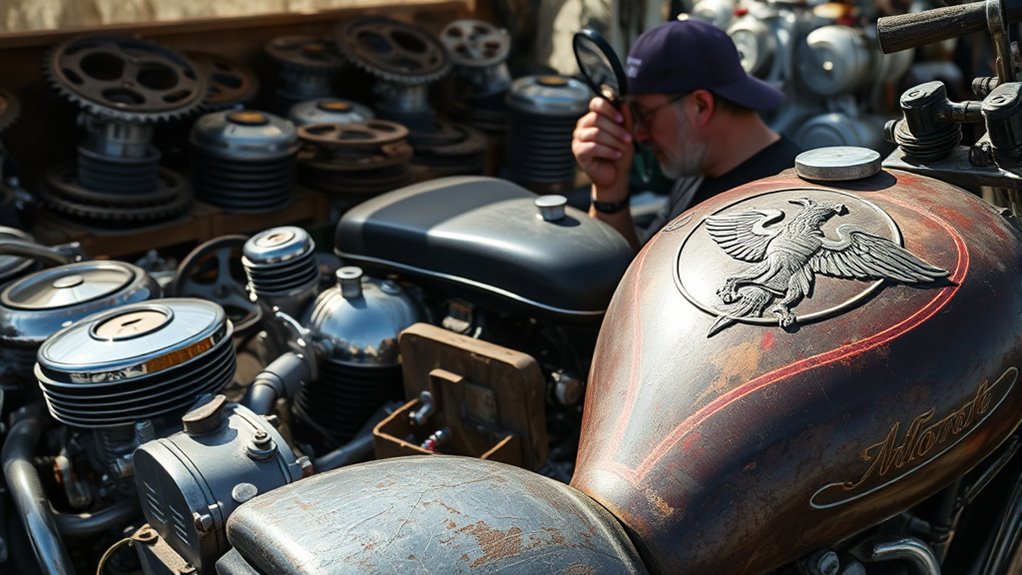
Verifying and inspecting vintage motorcycle parts is essential to guarantee you get authentic, functional components that will enhance your restoration or customization project. To do this effectively, follow these tips:
- Check authenticity: Examine part numbers, logos, and markings. Cross-reference with original manufacturer catalogs or trusted sources to confirm legitimacy.
- Assess condition: Look for rust, cracks, or corrosion. Test moving parts for smooth operation and inspect for signs of wear or previous repairs.
- Verify compatibility: Ensure the part matches your motorcycle’s make, model, and year. Ask for detailed photos, measurements, and, if possible, test fit the component before purchasing.
These steps help prevent costly mistakes and ensure your vintage build remains authentic and reliable.
Combining Offline and Online Strategies for Best Results
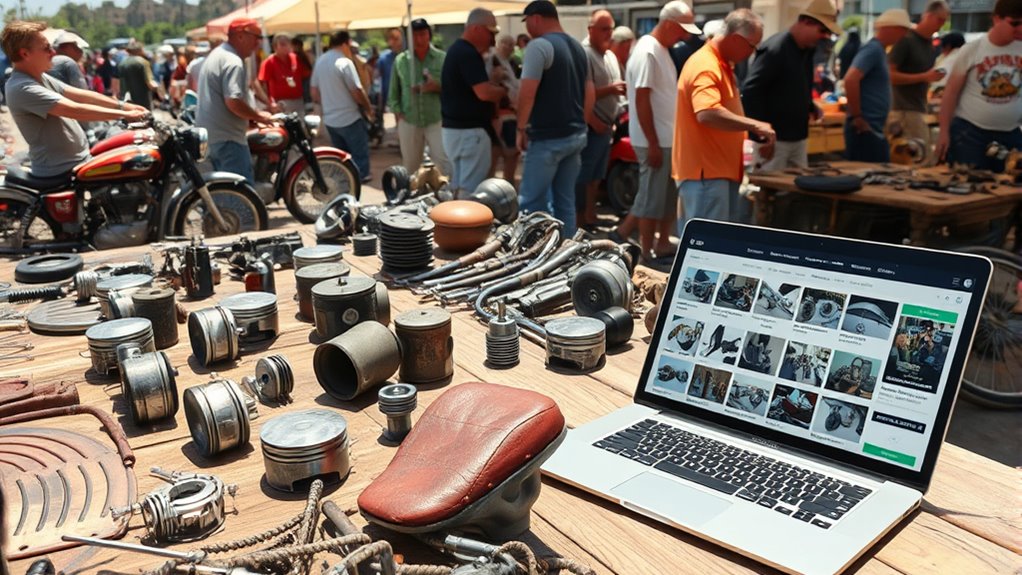
To maximize your chances of finding the perfect vintage motorcycle parts, combining offline and online strategies is essential. Attend local swap meets and rallies to physically inspect parts, negotiate prices, and network with enthusiasts who might have leads on rare components. These events foster relationships with restorers and collectors, opening doors to insider knowledge. Simultaneously, leverage online marketplaces like eBay, specialized forums, and social media groups to access a global inventory. Online platforms provide detailed photos, reviews, and tracking, helping you verify authenticity remotely. By cross-referencing listings from both sources, you can compare prices, find hard-to-locate parts, and confirm compatibility. This integrated approach maximizes your chances of sourcing quality, authentic parts efficiently and cost-effectively.
Frequently Asked Questions
How Can I Find Authentic Vintage Motorcycle Parts Online Safely?
To find authentic vintage motorcycle parts online safely, start by using reputable marketplaces like eBay or specialized forums with good reviews. Always check seller ratings and detailed photos, and ask for authenticity certificates or condition reports. Use secure payment methods and avoid deals that seem too good to be true. Research the part’s compatibility and rarity beforehand, and consider joining online communities for trusted seller recommendations and expert advice.
What Are the Best Tips for Negotiating Prices at Swap Meets?
To negotiate prices at swap meets, start by doing your homework on the parts’ value and condition. Be friendly and confident, but don’t be afraid to walk away if the price isn’t right. Offer a fair counteroffer and bundle items to get a better deal. Show genuine interest and ask questions about the parts’ history. Building rapport with sellers can lead to discounts and better prices.
How Do Regional Differences Affect Vintage Parts Availability?
You might think regional differences don’t matter, but they actually shape your vintage parts hunt. In North America, you’ll find high-value, rare OEM pieces, while Asia-Pacific offers volume with more affordable options. Europe focuses on quality restorations, and emerging markets like India provide growing access. So, your chances depend on where you look—local markets shine for some, online global sources for others. Don’t overlook regional quirks; they’re your secret advantage.
What Should I Check Before Purchasing Rare Vintage Components?
Before buying rare vintage components, you should verify their authenticity by checking detailed photos, part numbers, and condition reports. Make sure compatibility with your bike’s make and model, and ask about any restoration or modifications needed. Confirm the seller’s reputation through reviews, and clarify shipping costs and import regulations if buying internationally. Finally, inspect return policies in case the part doesn’t meet your expectations or requirements.
How Do I Identify Compatible Parts Across Different Motorcycle Models?
You think matching parts across models is simple? Think again. You’ll need to compare part numbers, dimensions, and mounting points carefully. Check manufacturer diagrams and catalogs, and consult forums or experts to verify compatibility. Don’t rely on looks alone—shared components can deceive you. Patience and thorough research save you from costly mistakes, turning a frustrating hunt into a satisfying puzzle solved.
Conclusion
By exploring both swap meets and online marketplaces, you can open a treasure trove of vintage motorcycle parts. Did you know that over 60% of collectors find rare components through online forums and auctions? Combining these strategies boosts your chances of finding the perfect parts for your custom build. Stay persistent, verify your finds carefully, and embrace both worlds—your vintage motorcycle project will thank you!