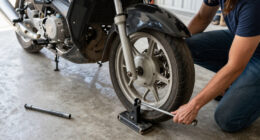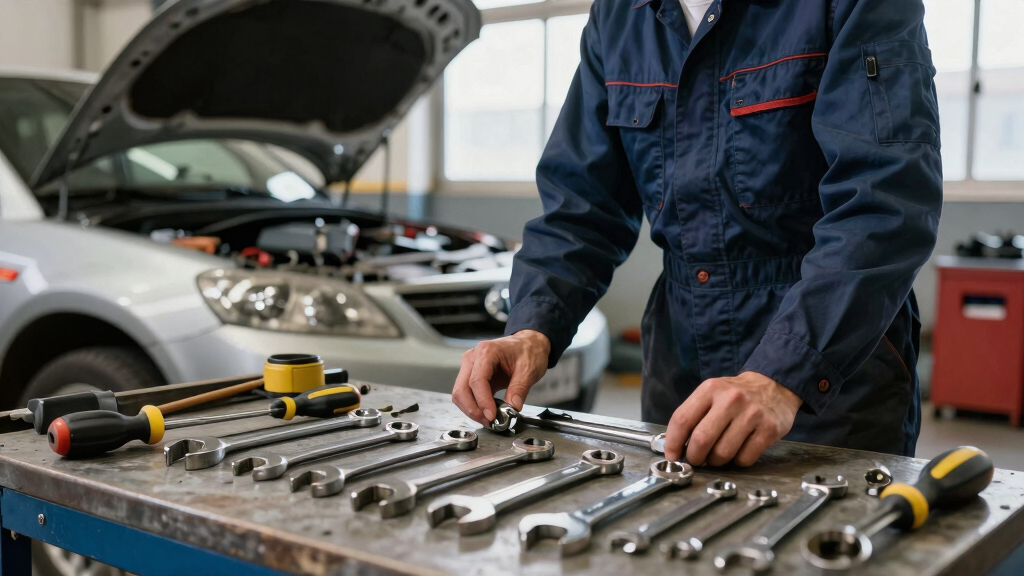

This guide explains how to choose and use an auto repair tool kit, enabling you to perform basic vehicle maintenance and repairs confidently. It is designed for DIY enthusiasts and car owners with some basic knowledge of vehicle parts, aiming to help you avoid common mistakes and work safely and efficiently.

Get garage and car supplies delivered free — and shop member deals
- Fast, free delivery on millions of items
- Access to Prime Big Deal Days deals on October 6–7
- Prime Video, Amazon Music and more included
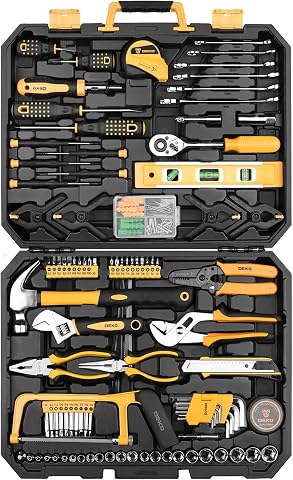
DEKOPRO 228 Piece Socket Wrench Auto Repair Tool Set with Plastic Toolbox
- ✔ Number of Pieces: 228
- ✔ Material: Alloy Aluminum, Chrome Vanadium Steel
- ✔ Toolbox Dimensions: 17.5 x 13.5 x 3.94 inches

Egofine 46 Pieces 1/4 Inch Drive Socket Ratchet Wrench Set with Bit Socket and Extension Bar
- ✔ Material: Chrome Vanadium Steel
- ✔ Finish: Polished
- ✔ Head Style: Fixed Square

TLGREEN 95 Piece Tool Set with Plastic Toolbox
- ✔ Number of Pieces: 95
- ✔ Material: Heat-treated carbon steel
- ✔ Includes: Adjustable wrench, pliers, screwdrivers, wrenches, ratchet, bits, hex keys, spark plug socket
Difficulty: Beginner to Intermediate | Time: 1-2 hours
What You’ll Need
Tools & Materials:
- Basic hand tools (socket wrench set, screwdrivers)
- Protective gear (gloves, safety glasses)
- Work gloves
- Vehicle owner’s manual
Knowledge:
- Basic understanding of vehicle components
- Ability to read tool labels and instructions
Ensure your workspace is well-lit, stable, and free of clutter. Confirm the tools are compatible with your vehicle model, referencing the owner’s manual if necessary.
DEKOPRO 228 Piece Socket Wrench Auto Repair Tool Set with Plastic Toolbox
<p>The <strong>DEKOPRO 228 Piece Set</strong> is our top pick thanks to its extensive array of tools, including wrenches, ratchets, sockets, and screwdrivers, all forged from high-quality steel with a polished chrome finish. Compared with smaller sets, it offers unmatched versatility, making it perfect for both DIY repairs and professional auto work. However, its weight (over 12 pounds) can be cumbersome for extended use, and the large case may be inconvenient for tight storage spaces. This set excels in situations where a comprehensive toolkit is needed, but less so if portability is a priority.</p>
Pros:
- High-quality steel construction with durable chrome finish
- Includes a wide variety of tools for multiple repair tasks
- Sturdy, organized toolbox for easy storage and transport
Cons:
- Heavy weight may cause fatigue during extended use
- Large case size can be difficult to store in small spaces
- No powered tools included
Best for: Serious DIYers and automotive professionals who need a complete, durable set for frequent use.
Not ideal for: Casual users or those with limited storage space who prefer lighter, more compact kits.
Bottom line: This set is ideal for those needing a comprehensive, durable toolkit that can handle professional or frequent DIY auto repairs.
“This set is ideal for those needing a comprehensive, durable toolkit that can handle professional or frequent DIY auto repairs.”
Egofine 46 Pieces 1/4 Inch Drive Socket Ratchet Wrench Set with Bit Socket and Extension Bar
<p>The <strong>Egofine 46 Piece Set</strong> offers a solid selection of chrome vanadium steel sockets and a quick ratchet handle, making it a reliable choice for auto repairs and household tasks. Its compact design makes it easy to store and transport, but it limits measurement options to metric, which could be a drawback for users needing imperial sizes. The set’s simplicity and focused scope make it suitable for those who mainly work on cars or small home repairs, but it may fall short for larger, more complex projects.</p>
Pros:
- Durable chrome vanadium steel construction
- Includes a variety of sockets, extensions, and accessories
- Sturdy blow-molded case for easy storage and transport
Cons:
- Limited to metric sizes only
- No information on warranty or support
- Some may find the variety of extension bars excessive for basic tasks
Best for: Auto repair enthusiasts and homeowners who need a dependable, portable set for frequent small repairs.
Not ideal for: Professionals requiring a broader, more inclusive toolkit or users needing imperial measurements.
Bottom line: This set is a great choice for auto enthusiasts needing a reliable, compact kit focused on metric sizes, but it’s less versatile for larger or more diverse projects.
“This set is a great choice for auto enthusiasts needing a reliable, compact kit focused on metric sizes, but it’s less versatile for larger or more diverse projects.”
TLGREEN 95 Piece Tool Set with Plastic Toolbox
<p>The <strong>TLGREEN 95 Piece Set</strong> is designed for home use, offering an array of essential hand tools like screwdrivers, wrenches, pliers, and a utility knife, all stored in a lightweight plastic toolbox. While it covers many basic repair needs, the tools are primarily suited for light-duty household tasks and may lack the durability needed for frequent or heavy-duty auto repairs. The plastic toolbox, while portable, might not withstand rough handling over time, but it offers good organization for casual users.</p>
Pros:
- Comprehensive set suitable for various household repairs
- Portable and easy to organize in the included toolbox
- Tools made with heat-treated carbon steel for durability
Cons:
- Tools may be too basic for heavy-duty use
- Plastic toolbox may not be as durable as metal cases
- Limited detail on tool sizes and features
Best for: Homeowners and DIYers seeking an affordable, portable kit for light repairs and everyday projects.
Not ideal for: Professionals or serious auto repair enthusiasts who need heavy-duty, specialized tools.
Bottom line: This set is best for casual users who need reliable, lightweight tools for minor repairs, but it’s not suited for intensive auto work or professional use.
“This set is best for casual users who need reliable, lightweight tools for minor repairs, but it’s not suited for intensive auto work or professional use.”
As an Amazon Associate we earn from qualifying purchases.
Before You Start
Gather all tools and parts before beginning. Check your vehicle’s repair needs to determine if additional specialized tools are required. Always work on a cool, parked vehicle with the parking brake engaged to prevent movement.
Step-by-Step Instructions
Step 1: Identify the Repair Needs
Consult your vehicle’s manual or a repair guide to determine what repairs or maintenance tasks are needed. Make a list of necessary tools and parts.
Tip: Double-check specific tools required for your vehicle model to avoid using incorrect sizes or types.
Check: You have a clear list of tasks and the corresponding tools needed.
Step 2: Select or Assemble Your Auto Repair Tool Kit
Choose a kit that includes essential tools such as socket wrenches, screwdrivers, pliers, and a torque wrench. If assembling your own, gather high-quality tools suitable for automotive work.
Tip: Opt for a comprehensive kit with metric and SAE sizes; quality tools last longer and perform better.
Check: Your kit contains all necessary tools, organized and ready for use.
Step 3: Prepare Your Workspace
Park your vehicle on a flat surface, engage the parking brake, and turn off the engine. Use wheel chocks if needed. Clear space around the vehicle for easy access.
Tip: Use a jack and jack stands rated for your vehicle’s weight if lifting is necessary. Never rely solely on a jack for support.
Check: Vehicle is stable, accessible, and workspace is organized.
Step 4: Wear Appropriate Safety Gear
Put on safety glasses and work gloves to protect against debris, chemicals, and sharp parts. Ensure your clothing is suitable for manual work.
Tip: Avoid loose clothing or jewelry that can get caught in moving parts.
Check: Safety gear is in place, and you feel prepared to work safely.
Step 5: Perform the Repair or Maintenance Task
Follow the repair steps outlined in your vehicle’s manual or repair guide, using your tools to loosen, remove, or tighten parts as needed. Take your time and work methodically.
Tip: Use the correct size and type of tools for each fastener to prevent stripping or damage.
Check: Part or component is successfully removed, replaced, or adjusted without damage.
Step 6: Test the Repair
Start the vehicle and check the repaired area for proper operation. Look for leaks, unusual noises, or error messages.
Tip: Allow the vehicle to run for a few minutes and observe closely.
Check: The repair is functioning correctly, and no issues are present.
Step 7: Clean Up and Store Tools
Remove all tools, clean them if necessary, and store them in your kit. Dispose of any debris or old parts properly.
Tip: Regularly inspect your tools for wear or damage and replace as needed.
Check: Tools are organized, and workspace is clean.
Common Mistakes to Avoid
- Using incorrect tool sizes or types for fasteners. — Always verify the size and type of fasteners before using tools; refer to the owner’s manual.
- Not supporting the vehicle properly when lifting. — Use jack stands rated for your vehicle’s weight and place them on a stable, flat surface.
- Forgetting to disconnect the battery before working on electrical components. — Disconnect the negative terminal of the battery before starting work on electrical parts to avoid shocks or shorts.
- Rushing the repair, leading to missed steps or damage. — Work slowly and methodically, following the repair instructions step by step.
Troubleshooting
Problem: Vehicle won’t start after repair.
Solution: Check all electrical connections and ensure parts are installed correctly. Reconnect the battery if disconnected.
Problem: Tools won’t fit or turn fasteners properly.
Solution: Verify you are using the correct size and type of tool. Try a different tool or size if needed.
Problem: Stripped or damaged fasteners.
Solution: Use a screw extractor or impact driver if available. Consider replacing the fastener or seeking professional help if damage is severe.
What Success Looks Like
You have completed the repair or maintenance task successfully when the vehicle operates smoothly, no warning lights appear, and the repaired component functions properly. The tools are cleaned and stored, and your workspace is tidy.
Next Steps
Schedule regular inspections of your vehicle, keep your tool kit updated, and practice additional repairs to build confidence. Refer to your vehicle manual for maintenance intervals, and seek professional help for complex issues.
Frequently Asked Questions
What should I include in a basic auto repair tool kit?
A basic kit should include socket wrenches, screwdrivers (flat and Phillips), pliers, a tire pressure gauge, a flashlight, gloves, and a torque wrench for tightening bolts accurately.
How do I know if my tools are suitable for my vehicle?
Check your vehicle’s manual for bolt sizes and specifications. Use tools that match these sizes, and opt for high-quality, durable tools designed for automotive use.
Can I perform all repairs with a basic tool kit?
Many simple repairs are possible, but complex or specialized tasks may require additional tools or professional assistance. Always assess your skill level and the complexity of the repair.
Halloween Picks
halloween
As an affiliate, we earn on qualifying purchases.