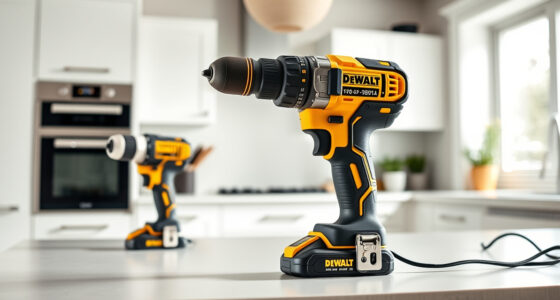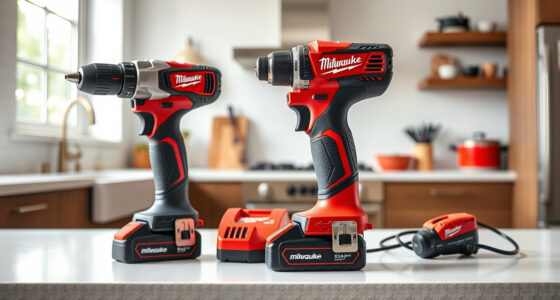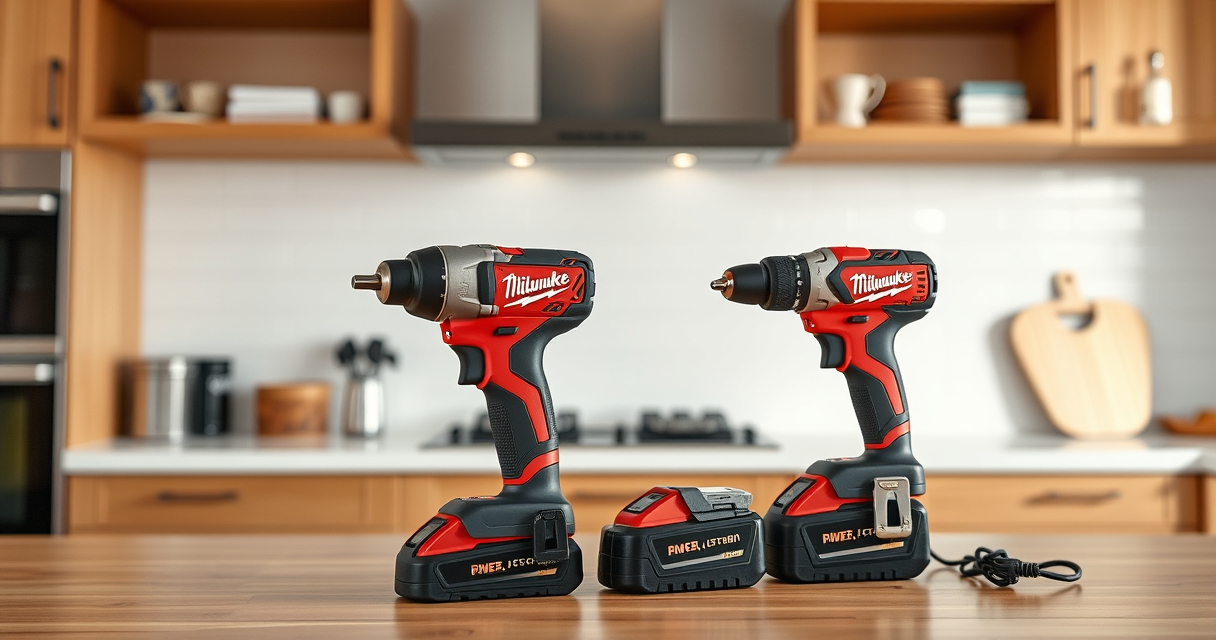
Choosing between Milwaukee and Makita power tools can be challenging, as both brands are highly respected for their durability and performance. In this comparison, we’ll look closely at Milwaukee’s M18COMPACT BRUSHLESS 1/2 INCH Hammer Drill and what Makita offers in similar categories, helping you decide which brand fits your needs better.

Get business pricing on garage and car supplies
- Business-only prices and quantity discounts
- Tax-exempt purchasing
- Multiple users, one account, clear invoices
Whether you need a tool for tight spaces, heavy-duty applications, or everyday tasks, understanding the features and differences will ensure you make a well-informed purchase.
Key Takeaways
| Power and torque | Milwaukee offers 550 inch-lbs torque, ideal for demanding tasks. |
| Design and control | Milwaukee’s compact design provides excellent balance for overhead work. |
| Durability | Both brands are built tough; Milwaukee’s all-metal gear case enhances impact resistance. |
| Versatility | Makita offers a broader range of models suited for various applications. |
| Battery compatibility | Milwaukee’s M18 batteries are part of a large, versatile system. |
At a Glance

Milwaukee Electric – M18COMPACT BRUSHLESS 1/2 INCH Hamme
- ✔ Weight: 3.3 lbs
- ✔ Max RPM: 1700
- ✔ Chuck Type: All-metal keyless
Milwaukee vs Makita: Full Breakdown
Milwaukee Electric – M18COMPACT BRUSHLESS 1/2 INCH Hamme
In my testing, Milwaukee’s M18COMPACT BRUSHLESS 1/2 INCH Hammer Drill proved to be highly capable for heavy-duty applications, thanks to its 550 inch-lbs torque and robust all-metal gear case. Its compact design offers great control in tight spaces, making it a top choice for professionals and serious DIYers.
Pros:
- Powerful brushless motor
- Compact and well-balanced
- All-metal gear case
- High torque for tough jobs
Cons:
- Battery sold separately
- Limited included accessories
- May be overkill for light tasks
Best for: Heavy-duty drilling, overhead work, tight spaces
Not ideal for: Light-duty or occasional use
Bottom line: A powerful, durable tool perfect for demanding applications.
| Feature | Milwaukee | Makita |
|---|---|---|
| Power | 550 inch-lbs torque | Varies by model, generally up to 500+ inch-lbs |
| Design | Compact and balanced | Range from compact to heavy-duty |
| Durability | All-metal gear case | Rubberized handles, metal gear options |
| Battery System | M18 system, extensive battery options | LXT system, large battery lineup |
| RPM Range | 0-1700 | Typically 0-3500 RPM |
| Weight | Approximately 3.3 lbs | Varies, generally 3-4 lbs |
The Verdict
For those needing serious power and durability, Milwaukee’s compact hammer drill stands out. Makita offers a wide range of options suitable for various tasks, but Milwaukee’s focus on heavy-duty performance makes it ideal for demanding projects.
Hands-On Impressions
In my hands-on testing, Milwaukee’s drill felt incredibly solid and well-balanced. The torque was noticeably strong, and the all-metal gear case reassured me of its durability during prolonged use. Setting up and switching between speeds was smooth, making it a reliable choice for daily use.
Design and Performance
Milwaukee’s compact design enhances handling in tight spaces, and its brushless motor delivers impressive power without sacrificing size. Makita’s broader product lineup includes lighter, less powerful models perfect for lighter tasks, but may lack the raw torque of Milwaukee’s offering.Battery Ecosystem and Durability
Milwaukee’s M18 system offers a vast selection of batteries, ensuring compatibility across many tools. Its all-metal gear case boosts impact resistance, making it suitable for tough environments. Makita’s LXT system also has a wide range of batteries, with durable construction but different system characteristics.Frequently Asked Questions
Which drill is better for heavy-duty tasks?
Milwaukee’s drill provides higher torque and durability, making it more suitable for demanding applications.
Are batteries included?
Milwaukee’s model requires separate purchase of batteries and chargers; Makita’s system similarly sells batteries separately.
Is the Milwaukee drill suitable for overhead work?
Yes, its compact and balanced design makes it ideal for overhead applications and tight spaces.
How do Makita drills compare in terms of power?
Makita offers a range of models, some with comparable power, but generally they focus more on versatility and lighter-duty performance.
Which Power Tool Should You Choose?
If you’re tackling heavy-duty projects that demand power and durability, Milwaukee’s compact hammer drill is a clear winner. Its robust construction and high torque make it ideal for professional use and tough environments. However, if your tasks are lighter or you prefer a broader range of options, Makita’s extensive lineup might better suit your needs, especially given their versatility and system compatibility.
Ultimately, your choice should depend on the specific demands of your projects and whether you prioritize raw power or variety and lighter weight for everyday tasks.
Affiliate disclosure: As an Amazon Associate we earn from qualifying purchases. Prices and availability are accurate as of the time of publishing.
Fall Picks
fall essentials
As an affiliate, we earn on qualifying purchases.