TL;DR

Get business pricing on garage and car supplies
- Business-only prices and quantity discounts
- Tax-exempt purchasing
- Multiple users, one account, clear invoices
GM says a new central compute system, planned to debut on the 2028 Cadillac Escalade IQ, will expand the software updates vehicles can receive over the air. The company’s goal is to reduce visits for software-related work, but GM has not promised that every update will be remote, and physical repairs will still require service.
General Motors says its next-generation central computer should allow more vehicle software work to be handled through over-the-air (OTA) updates, reducing some dealership visits for future vehicles, including Silverados. GM Senior Vice President of Vehicle Products Jaclyn McQuaid said the goal is to shift work that does not require physical hardware changes from dealer service to remote updates, while cautioning that not every update will be OTA-capable.
McQuaid discussed the plans on the latest episode of The Drivecast, in response to a question about whether GM’s new central compute system could support updates without a dealership trip when no hardware needs to be touched. She said the system is designed to expand what can be updated remotely. GM has not provided a list of repairs or updates that will move to OTA service, or a number for how many dealership visits the change could prevent.
The system is the core of GM’s next-generation electrical architecture and is expected to debut on the 2028 Cadillac Escalade IQ. McQuaid said it will consolidate functions now handled by dozens of separate modules into one unit. According to her, the new architecture will have 40 times more compute power than GM’s current architecture. The company has not said when the system will reach Silverado models.
GM vehicles already receive some OTA updates, McQuaid said. She described accepting an update on a new light-duty gas truck that took about 15 minutes. The new system is intended to extend those capabilities: current vehicles have dozens of modules, and only some can be updated remotely, she said. Software examples could include headlight programming or Bluetooth operations; physical work, such as replacing a tire or worn shock absorber, would still require service.
Fewer Software Trips, Not No Service
For owners, broader OTA capability could mean fewer trips to a dealer for software changes, less time arranging service, and updates reaching eligible vehicles without an appointment. Those are GM’s stated goals, not a quantified savings forecast. The company has not specified how often owners currently visit dealers for work that could be updated remotely, or how much the new architecture might reduce those visits.
GM also says a common software foundation could make development and fixes more efficient. McQuaid said software used across a wider range of vehicles could be engineered and validated once, rather than handled separately for different systems. If a software issue affects multiple models that use the same code, a shared update could address it across those vehicles. The practical result will depend on which features and models use the common software.
The change does not make dealerships or repair shops obsolete. OTA updates cannot replace physical maintenance or fix damaged hardware. Owners should expect a mix of remote software support and conventional service, with the exact boundary depending on the problem and the vehicle.
Products Worth Considering

Innova 5610 OBD2 Bidirectional Scan Tool

NOCO Boost GBX75 2500A UltraSafe Jump Starter, 12V Lithium Battery Booster
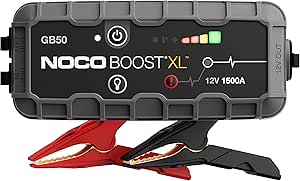
NOCO Boost GB50 1500A UltraSafe Jump Starter, 12V Lithium Battery Booster
As an affiliate, we earn on qualifying purchases.
From Separate Modules to One Computer
GM’s current vehicle lineup already supports some OTA software updates, but McQuaid described the capability as uneven because different functions are handled by many modules, some of which cannot receive updates remotely. The central compute system is meant to replace much of that fragmented arrangement with a more unified platform.
GM presented the system as part of a broader technology plan covering its future vehicle software, electric vehicles, and driver-assistance and autonomy work. The first announced application is the 2028 Escalade IQ; the source report does not identify a Silverado launch date. McQuaid also contrasted a single central computer with zonal architectures, which distribute computing among several units, saying each design has trade-offs involving packaging, latency, and fragmentation.
McQuaid said GM is bringing more software development in-house, with its engineering team writing code designed to work across the system. She said the architecture should provide faster connectivity and more room to add features over time. These are company expectations; performance and the breadth of updates available to owners remain to be demonstrated in production vehicles.
“The goal is to significantly reduce what would need a dealership visit versus what can be done OTA.”
— Jaclyn McQuaid, GM senior vice president of vehicle products, on The Drivecast
Which Repairs Will Move Online?
GM has not said which specific updates will be supported remotely on the new architecture, how many Silverado models will use it, or when it will reach the truck lineup. It has also not estimated the reduction in dealership visits or said whether updates will be automatic, owner-approved, or handled differently depending on the software.
McQuaid’s comments describe a goal and expected technical capacity, not a guarantee that every software problem can be resolved OTA. The system’s real-world reliability, update schedule, and effects on service needs cannot be judged until it is deployed. Physical repairs and maintenance will continue to require hands-on work.
Escalade IQ Marks the First Test
The next stated milestone is the system’s debut in the 2028 Cadillac Escalade IQ. Its rollout should offer the first concrete evidence of which functions GM can update remotely and how the centralized architecture performs in production. GM has not announced a Silverado timing or a detailed OTA feature list in the source report.
As further vehicle plans and specifications emerge, owners will be able to see whether GM’s goal translates into fewer service appointments for software-related issues. Until then, the company’s claims about expanded capability should be treated as plans rather than a confirmed change to the service experience across its lineup.
Key Questions
Will future Silverados get the central compute system?
GM says the system is intended to support its future vehicle portfolio, but it has not announced when it will reach Silverado models. Its first stated debut is the 2028 Cadillac Escalade IQ.
Will the new computer eliminate dealership visits?
No. GM’s stated goal is to reduce visits for work that can be handled through software updates. McQuaid said not every update will be OTA-capable, and physical repairs and maintenance will still require service.
Can current GM vehicles already receive OTA updates?
Yes. McQuaid said current GM vehicles can receive some over-the-air updates, though she described the capability as limited because different modules have different update support.
How much more computing power will the system have?
McQuaid said the upcoming system will have 40 times more compute power than GM’s current architecture. That is GM’s stated figure; the source report did not provide independent testing or additional technical details.
What is still unknown about the Silverado rollout?
GM has not provided a Silverado launch date, a list of OTA-supported functions, or an estimate of how many dealership visits the system could prevent. Those details remain unannounced.
Source: thedrive.com