
TL;DR
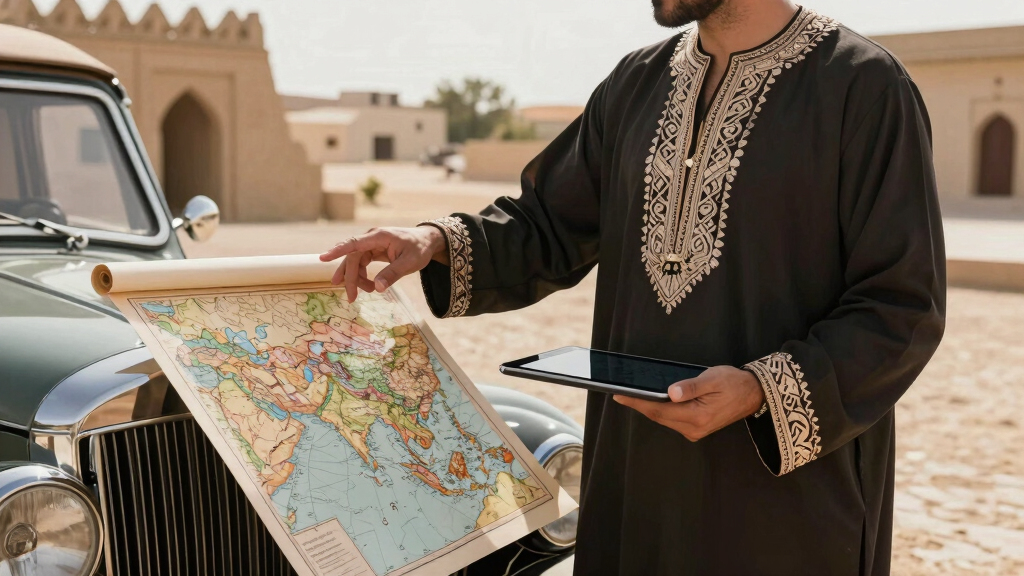
A recently released short video provides a concise overview of 1,000 years of Islamic history, covering its origins, major caliphates, and cultural achievements. The presentation aims to educate viewers on the complexity and diversity of the Islamic world through history.
A new 19-minute video offers a concise overview of 1,000 years of Islamic history, from its founding in the 7th century to the rise of the Ottoman Empire, providing viewers with a clearer understanding of the religion’s development and its impact on civilization.
The video traces the origins of Islam, beginning with Prophet Muhammad’s life and the establishment of the caliphate after his death in 632 AD. It highlights the expansion of the early Islamic state across the Arabian Peninsula and into the Byzantine and Sasanian empires. The presentation covers the division of Islam into Sunni and Shia branches, initiated by disputes over leadership after Muhammad’s death. It also discusses major caliphates such as the Umayyads, Abbasids, Buyids, and Fatimids, emphasizing their roles in shaping Islamic civilization. The video concludes with the rise of the Ottoman Empire, which marked a significant turning point and symbolized the enduring influence of Islamic political and cultural power in the region.
Why It Matters
This overview matters because it clarifies the historical complexity and diversity of the Islamic world, countering simplified or monolithic narratives. Understanding this history is essential for grasping contemporary geopolitical and cultural dynamics involving Muslim-majority regions. It also highlights how Islamic civilization has evolved through various dynasties and cultural influences over centuries, shaping the history of the Middle East, North Africa, and beyond.
Destiny Disrupted: A History of the World Through Islamic Eyes
As an affiliate, we earn on qualifying purchases.
As an affiliate, we earn on qualifying purchases.
Background
The video builds on recent efforts to educate the public about Islamic history, especially in Western media, where portrayals often overlook the religion’s internal diversity and historical depth. It situates the rise of Islam within a broader historical timeline, emphasizing key events and figures that have influenced the development of Islamic civilization over a millennium. The presentation aims to provide a foundational understanding, especially for audiences outside the Middle East, where perceptions of Islam are often simplified.
“This video offers a quick but comprehensive look at a complex history that has shaped much of the modern world.”
— Colin Marshall
“This concise summary aims to deepen understanding of the Islamic world’s rich and diverse history.”
— Open Culture

Safar Islamic Studies Textbook : Level 4
The book follows a unit-based structure featuring units such as Essential Knowledge Essential Beliefs Fiqh (rituals and rulings)…
As an affiliate, we earn on qualifying purchases.
As an affiliate, we earn on qualifying purchases.
What Remains Unclear
It is not yet clear how accurately the video captures the nuances of Islamic history or how it will be received by different audiences. Further scholarly review and viewer feedback are pending.
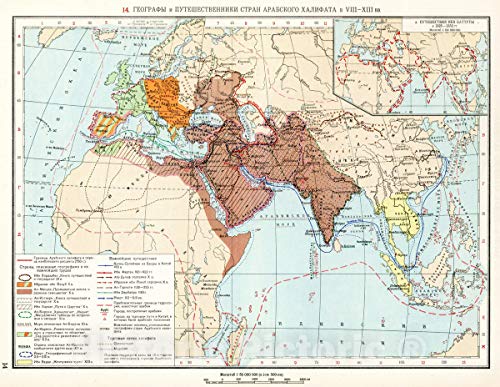
Arab Caliphate 8th–13th Centuries Route Map – 1959 Historical Atlas Print – 24in x 18in
Historical map reproduction showing geography and trade routes of the Arab Caliphate during the 8th–13th centuries at 1:50,000,000…
As an affiliate, we earn on qualifying purchases.
As an affiliate, we earn on qualifying purchases.
What’s Next
Following this release, educators and historians may incorporate the video into teaching materials. Additional in-depth resources and longer documentaries are expected to expand on the summarized history.

Art: The Definitive Visual Guide (DK Definitive Cultural Histories)
As an affiliate, we earn on qualifying purchases.
As an affiliate, we earn on qualifying purchases.
Key Questions
What are the main periods covered in the video?
The video covers the founding of Islam, the expansion of the caliphates, the Sunni-Shia split, and the rise of the Ottoman Empire over 1,000 years.
Is the video suitable for educational purposes?
Yes, it provides a concise, accessible overview suitable for students and general audiences interested in Islamic history.
Does the video address contemporary issues in the Islamic world?
No, it focuses on historical developments up to the Ottoman Empire, not current political or social issues.
Who created the video?
The video was produced by Colin Marshall and is hosted on Open Culture’s platform.
Will there be more detailed resources available?
Yes, additional documentaries and scholarly materials are expected to be released to explore specific periods and themes in more depth.
Source: The best free cultural & educational media on the web – Open Culture