
TL;DR
Listen free for 30 days with Audible
Thousands of audiobooks and originals — cancel anytime.
Start your free trialAs an affiliate, we earn on qualifying purchases.
The Van der Heyden brothers in 17th century Amsterdam designed pioneering firefighting systems, including advanced fire engines and street lighting, significantly improving urban fire response. This development reflects Amsterdam’s efforts to combat frequent fires amid material wealth and industrial growth.
The Van der Heyden brothers in 17th century Amsterdam developed innovative firefighting systems, including advanced fire engines and street lighting, which significantly improved the city’s fire response capabilities amid frequent urban fires. This effort was part of a broader municipal push to protect Amsterdam’s material wealth and infrastructure.
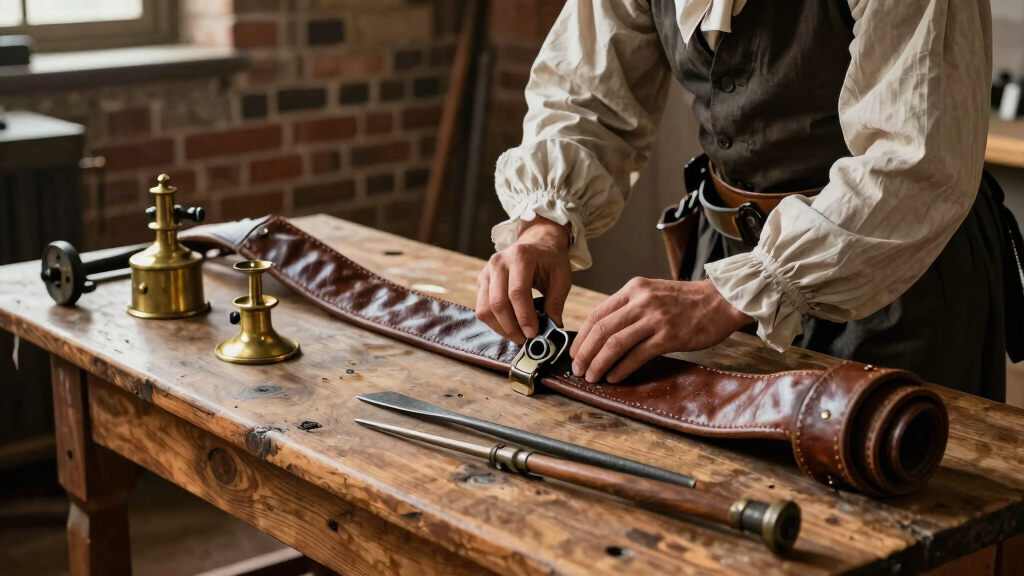
In the late 1660s, Amsterdam established one of the most comprehensive firefighting systems in Europe, featuring dozens of water-pumping engines, leather buckets, and specialized guilds responsible for fire response. Hans Hautsch’s water engines played a central role, with around 60 distributed across the city by 1670. Despite these efforts, fire incidents such as the 1669 sugar refinery fire revealed limitations, especially in delivering water to the fire’s source.
The 1672 fire at Joan Blaeu’s printing office underscored the system’s deficiencies, as freezing temperatures rendered water pumps ineffective. The losses from these fires were substantial, with damages exceeding hundreds of thousands of guilders, and the death of the sugar refinery owner following the 1669 fire highlighted the human toll of urban fires.
Meanwhile, Jan van der Heyden, a renowned painter and inventor, contributed to fire safety by designing a new type of fire engine capable of pumping water from a distance using leather hoses. He also devised a city-wide street lighting system with oil lamps, making Amsterdam the best-lit city in Europe by 1670. These innovations aimed to both prevent fires and improve firefighting efficiency.
Impact of Van der Heyden Innovations on Urban Fire Safety
The firefighting and lighting systems pioneered by the Van der Heyden brothers marked a significant advancement in urban safety during a period of frequent fires in Amsterdam. Their innovations not only reduced fire damage but also set a precedent for modern firefighting technology and city planning, influencing other European cities’ approaches to urban fire prevention and response.

Firehouse Replicas & Model Fire Station Toys (Model Fire Engines)
As an affiliate, we earn on qualifying purchases.
As an affiliate, we earn on qualifying purchases.
Amsterdam’s Fire Risks and Municipal Responses in the 17th Century
During the 17th century, Amsterdam’s material wealth and industrial activities increased fire hazards, with combustible goods and dense wooden structures. Despite the risks, the city’s investment in firefighting infrastructure, including Hautsch’s water engines and guild-based response units, made it the most well-equipped city in Europe for fire emergencies. However, limitations persisted, especially in delivering water to fire sources, prompting innovations by figures like Jan van der Heyden.
“This great printing office, with all its contents, was so completely destroyed that even copper plates, standing in the outer corners, melted like lead.”
— Jan van der Heyden

Fighting Fire with Fire A pictorial volume of steam fire-fighting apparatus & related equipment. from the 'Jerome De Freest Scrapbook' of American & foreign fire-fighting equipment in the Rensselaer County Historical Society, Troy, New york.
As an affiliate, we earn on qualifying purchases.
As an affiliate, we earn on qualifying purchases.
Extent and Effectiveness of Van der Heyden’s Fire Engines
It is not yet clear how widely the Van der Heyden brothers’ fire engine designs were adopted beyond initial implementations or how significantly they improved fire response in practice. Detailed records of their technology’s long-term impact are limited.As an affiliate, we earn on qualifying purchases.
Future Developments in Amsterdam’s Firefighting Infrastructure
Further research is expected to uncover more detailed records of the Van der Heyden brothers’ innovations and their influence on subsequent firefighting technology. Additionally, examining how Amsterdam’s fire response evolved in the decades after these innovations will shed light on their lasting impact.

Lamplight Ultra-Pure Lamp Oil, Clear, 32 Ounces (60009)
- Clean Burning: Sootless, smokeless, odorless for indoor use
- Pure Paraffin Oil: 99% pure for clean, bright burns
- Versatile Use: Ideal for daily lighting, ambiance, or emergencies
As an affiliate, we earn on qualifying purchases.
As an affiliate, we earn on qualifying purchases.
Key Questions
What specific innovations did the Van der Heyden brothers introduce?
The brothers developed a fire engine capable of pumping water from a distance using leather hoses and designed a comprehensive street lighting system with oil lamps, improving safety and firefighting efficiency.
How effective were their firefighting systems during fires?
While their innovations improved firefighting capabilities, incidents like the 1669 sugar refinery fire revealed limitations, especially in delivering water to the fire’s source, indicating ongoing challenges.
Did their systems influence other cities?
There is limited evidence on widespread adoption, but their innovations set a precedent for urban firefighting technology and municipal safety measures in Europe.
What role did street lighting play in fire prevention?
Van der Heyden’s street lighting improved visibility at night, reducing accidental fires and enhancing overall safety in Amsterdam’s densely built environment.
Source: Hacker News
Back to school Picks
back to school
As an affiliate, we earn on qualifying purchases.