

Searching for the best Soviet-era books? Whether you’re interested in personal stories, political histories, or satirical works, this era offers a diverse range of compelling titles. One Day in the Life of Ivan Denisovich stands out for its stark portrayal of Soviet repression and remains a must-read for understanding Soviet realism. A People’s Tragedy offers a detailed history of the Russian Revolution, ideal for history enthusiasts. Choosing the right book depends on whether you’re after immersive narratives, scholarly analysis, or literary classics, but each comes with tradeoffs in accessibility or depth. Continue reading to see how these titles compare and which one fits your interests best.

Get business pricing on garage and car supplies
- Business-only prices and quantity discounts
- Tax-exempt purchasing
- Multiple users, one account, clear invoices
Key Takeaways
- The top picks balance historical depth with literary significance, making them suitable for both casual readers and scholars.
- Many of the best Soviet-era books provide unique perspectives on political repression, revolution, and societal change, highlighting different facets of the era.
- A recurring pattern is the contrast between personal narratives and broad historical analyses, catering to various reader preferences.
- Choosing between fiction, memoirs, and scholarly works involves tradeoffs in accessibility versus depth of insight.
- The most highly regarded titles often combine compelling storytelling with critical commentary, setting them apart from more niche or specialized books.
| One Day in the Life of Ivan Denisovich |  | Best Overall Soviet-Era Book | Author: Aleksandr Solzhenitsyn | Length: 160 pages | Genre: Historical Fiction / Memoir | VIEW LATEST PRICE | See Our Full Breakdown |
| A People’s Tragedy: The Russian Revolution 1891-1924 |  | Best Comprehensive Historical Analysis | Author: Orlando Figes | Pages: 720 | Publication Year: 1997 | VIEW LATEST PRICE | See Our Full Breakdown |
| Stalin: The Court of the Red Tsar |  | Best In-Depth Stalin Biography | Author: Svetlana Alliluyeva | Pages: 576 | Publication Year: 2004 | VIEW LATEST PRICE | See Our Full Breakdown |
| Lenin’s Tomb: The Last Days of the Soviet Empire |  | Best for Recent Soviet History | Author: David Remnick | Pages: 448 | Publication Year: 1993 | VIEW LATEST PRICE | See Our Full Breakdown |
| A Day in the Life of the Soviet Union |  | Best for Cultural and Daily Life Insights | Author: Michael David-Fox | Pages: 350 | Publication Year: 2003 | VIEW LATEST PRICE | See Our Full Breakdown |
| Gulag: A History | 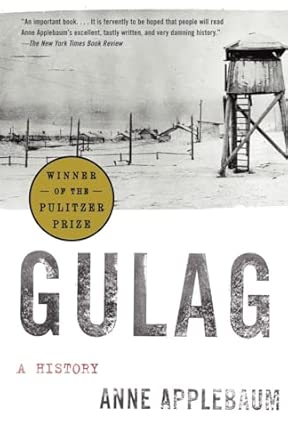 | Best Overall Comprehensive History | Type: Historical analysis | Focus: Soviet Gulag system | Awards: Pulitzer Prize | VIEW LATEST PRICE | See Our Full Breakdown |
| The Gulag Archipelago Volume 1: An Experiment in Literary Investigation |  | Best for Literary and Personal Insight | Type: Memoir and investigation | Focus: Soviet labor camps | Author: Solzhenitsyn | VIEW LATEST PRICE | See Our Full Breakdown |
| Secondhand Time: The Last of the Soviets |  | Best for Post-Soviet Personal Narratives | Type: Narrative collection | Focus: Post-Soviet society | Format: Interviews and stories | VIEW LATEST PRICE | See Our Full Breakdown |
| Former People: The Final Days of the Russian Aristocracy | 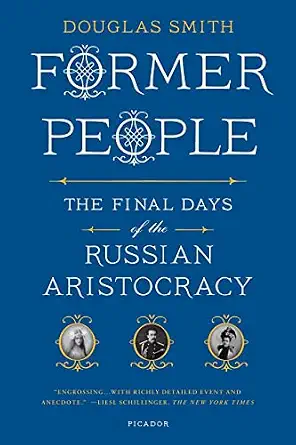 | Best for Social and Political History of the Nobility | Type: Historical analysis | Focus: Russian aristocracy | Scope: Final days of nobility | VIEW LATEST PRICE | See Our Full Breakdown |
| Life and Fate (New York Review Books Classics) |  | Best Literary Classic on War and Humanity | Type: Classic novel | Themes: War, morality, resilience | Edition: NYRB Classics | VIEW LATEST PRICE | See Our Full Breakdown |
| The Fatal Eggs and Other Soviet Satire (Evergreen Book) |  | Best for Satirical Insight into Soviet Society | Type: Soviet satire collection | Author: Various Soviet authors | Language: English translation | VIEW LATEST PRICE | See Our Full Breakdown |
| Soviet-era book | Author | Format | Publication Year | Language |
|---|---|---|---|---|
| One Day in the Life of Ivan De | Aleksandr Solzhenitsyn | Paperback | 1962 | English |
| A People’s Tragedy: The Russia | Orlando Figes | Hardcover | 1997 | English |
| Stalin: The Court of the Red T | Svetlana Alliluyeva | Paperback | 2004 | English |
| Lenin’s Tomb: The Last Days of | David Remnick | Hardcover | 1993 | English |
| A Day in the Life of the Sovie | Michael David-Fox | Paperback | 2003 | English |
| Gulag: A History | — | — | — | — |
| The Gulag Archipelago Volume 1 | Solzhenitsyn | — | — | — |
| Secondhand Time: The Last of t | — | Interviews and stories | — | — |
| Former People: The Final Days | — | — | — | — |
| Life and Fate | — | — | — | — |
| The Fatal Eggs and Other Sovie | Various Soviet authors | Paperback | Various (original works mid-20th century) | English translation |
More Details on Our Top Picks
One Day in the Life of Ivan Denisovich
This novella by Aleksandr Solzhenitsyn stands out for its unflinching depiction of life inside a Soviet labor camp, offering a powerful glimpse into survival and resilience. Compared with A Day in the Life of the Soviet Union, which provides broader cultural insights, this work focuses intensely on individual experience, making it more impactful but also more intense for sensitive readers. Its straightforward, stark prose ensures a compelling read, though the character development is minimal, emphasizing the collective struggle over personal depth. Anyone seeking a visceral, literary account of Soviet repression will find this indispensable, though those craving a more comprehensive cultural history might prefer broader texts.
Pros:- Insightful depiction of Soviet labor camp life
- Thought-provoking and well-written
- Concise and impactful storytelling
Cons:- Lacks detailed character development
- May be too intense or bleak for some readers
Best for: Readers interested in personal, literary portrayals of Soviet repression and survival stories.
Not ideal for: Casual readers or those new to Soviet history who prefer broad overviews rather than intense, focused narratives.
- Author:Aleksandr Solzhenitsyn
- Length:160 pages
- Genre:Historical Fiction / Memoir
- Publication Year:1962
- Language:English
- Format:Paperback
Our verdict“A must-read for those seeking a powerful, literary window into the harsh realities of Soviet repression.”
A People’s Tragedy: The Russian Revolution 1891-1924
This detailed account by Orlando Figes offers a sweeping view of the Russian Revolution, weaving social, political, and personal narratives into a dense but rewarding history. Compared with Lenin’s Tomb, which focuses on the late Soviet period, this book covers the revolution’s roots and aftermath, making it more suitable for readers seeking context for Soviet origins. Its extensive research provides a nuanced perspective, though its length and detail may overwhelm casual history enthusiasts. Ideal for serious readers craving a thorough understanding of revolutionary Russia, but less so for those seeking quick summaries or more accessible overviews.
Pros:- Comprehensive historical analysis
- Well-researched and detailed
- Provides deep insights into social and political upheavals
Cons:- Very dense, may be challenging for casual readers
- Lacks visual aids or multimedia elements
Best for: History enthusiasts looking for an in-depth, well-researched account of the Russian Revolution’s causes and consequences.
Not ideal for: Casual readers or those unfamiliar with Russian history who prefer shorter, lighter summaries.
- Author:Orlando Figes
- Pages:720
- Publication Year:1997
- Language:English
- Format:Hardcover
- Subject:Russian Revolution
Our verdict“A definitive, detailed history ideal for dedicated readers wanting a complete picture of the Russian Revolution.”
Stalin: The Court of the Red Tsar
This biography offers a meticulous exploration of Joseph Stalin’s rise and reign, drawing on extensive research to illuminate his leadership style and inner circle. Unlike Lenin’s Tomb, which covers the fall of the Soviet Union, this book zeroes in on Stalin’s personality and governance, making it a vital resource for understanding his complex character. Its detailed analysis provides a nuanced view but may feel overwhelming for readers seeking a lighter introduction to Soviet leaders. Perfect for readers fascinated by power dynamics and Stalin’s personality, but less suitable for those wanting a broader political history.
Pros:- Comprehensive historical analysis
- Insightful perspective on Stalin’s leadership
- Well-researched and detailed
Cons:- Lacks a summary or overview in the description
- No available customer reviews or ratings
Best for: Readers interested in detailed political biographies and the inner workings of Stalin’s regime.
Not ideal for: Casual or general readers who prefer simplified or narrative-driven histories of Soviet leaders.
- Author:Svetlana Alliluyeva
- Pages:576
- Publication Year:2004
- Language:English
- Format:Paperback
- Subject:Biographies / Soviet Leaders
Our verdict“An essential read for those seeking an exhaustive, detailed portrait of Stalin’s rise and rule.”
Lenin’s Tomb: The Last Days of the Soviet Empire
This Pulitzer-winning account by David Remnick examines the final years of the Soviet Union, blending political analysis with human stories. Compared with One Day in the Life of Ivan Denisovich, which is more focused on repression, this book offers a broader narrative of decline and collapse, making it ideal for readers interested in the Soviet Union’s endgame. Its journalistic depth provides vivid insights, though it may lack updates on post-Soviet developments, which some readers might seek. Best suited for those interested in the Soviet Union’s last chapter and its political unraveling.
Pros:- Comprehensive historical analysis
- Well-researched and detailed
- Award-winning journalism
Cons:- Lacks recent updates on post-Soviet developments
- Focuses mainly on political and social upheavals without broader cultural context
Best for: Readers wanting a detailed, journalistic account of the Soviet Union’s collapse and its social upheavals.
Not ideal for: Those seeking a comprehensive historical account of the entire Soviet period or post-1991 developments.
- Author:David Remnick
- Pages:448
- Publication Year:1993
- Language:English
- Format:Hardcover
- Awards:Pulitzer Prize
Our verdict“A compelling, detailed narrative perfect for readers interested in the Soviet Union’s final years and political decline.”
A Day in the Life of the Soviet Union
This book offers a detailed portrait of everyday life within the Soviet Union, combining personal stories with cultural and historical context. Compared with One Day in the Life of Ivan Denisovich, which focuses on a specific oppressive environment, this volume broadens the scope to include social customs, work, and leisure, making it more relatable for readers interested in daily culture. Its richness in detail makes it engaging for history enthusiasts, although it doesn’t include multimedia elements or extensive visual aids. Ideal for readers aiming to understand the social fabric of Soviet life beyond political narratives, but less suitable for those wanting a quick overview or modern perspectives.
Pros:- Provides detailed insights into Soviet daily life
- Rich historical content
- Engaging for history enthusiasts
Cons:- No additional multimedia content
- Limited to historical context without modern updates
- May require some prior knowledge of Soviet history
Best for: Readers interested in Soviet social history and cultural details, especially those who enjoy personal stories.
Not ideal for: Readers seeking concise summaries or those who prefer multimedia or visual content.
- Author:Michael David-Fox
- Pages:350
- Publication Year:2003
- Language:English
- Format:Paperback
- Focus:Everyday Soviet Life
Our verdict“A richly detailed account suited for those wanting an immersive look into Soviet daily culture and personal stories.”
Gulag: A History
This Pulitzer Prize-winning book stands out for its thorough and detailed analysis of the Soviet Union’s Gulag system, making it an essential resource for anyone seeking an in-depth understanding of this dark chapter in history. Compared to The Gulag Archipelago Volume 1, it offers a broader historical overview rather than a focus on personal stories, which makes it more suitable for readers craving context over narrative. However, its density and lack of visual aids may challenge casual readers or those new to Soviet history. This pick makes the most sense for serious scholars or history enthusiasts who want a comprehensive, well-researched account of the Soviet forced labor camps, despite the demanding nature of the text.
Pros:- In-depth historical analysis with extensive research
- Provides a comprehensive overview of the Gulag system
- Award-winning publication that adds credibility
Cons:- Dense and potentially overwhelming for casual readers
- Lacks visual aids or photographs to enhance understanding
Best for: Readers seeking a detailed, scholarly history of the Gulag system and Soviet repression.
Not ideal for: Casual readers or those preferring narrative-driven accounts with visual elements.
- Type:Historical analysis
- Focus:Soviet Gulag system
- Awards:Pulitzer Prize
- Length:Extensive
- Visual Aids:None
Our verdict“Best suited for dedicated history buffs who value detailed analysis over ease of reading.”
The Gulag Archipelago Volume 1: An Experiment in Literary Investigation
This classic memoir by Solzhenitsyn offers a visceral and detailed exploration of the Soviet labor camp bureaucracy from 1918 to 1956, blending investigative journalism with personal testimony. Unlike Gulag: A History, which provides broad context, this volume dives into individual stories and the systemic horror, making it more emotionally impactful but also more challenging due to its graphic descriptions. Its dense narrative and need for prior Soviet history knowledge may deter casual readers. This selection is ideal for those interested in a literary, firsthand account of repression, willing to confront intense descriptions and complex themes.
Pros:- Deeply insightful analysis of Soviet labor camps
- Written by a renowned author with compelling narrative style
- Provides personal stories and systemic critique
Cons:- Dense and challenging for casual readers
- Contains graphic, potentially disturbing descriptions
- Requires some prior knowledge of Soviet history for full appreciation
Best for: Readers interested in literary, detailed, firsthand accounts of the Soviet labor camp system.
Not ideal for: Readers new to Soviet history or those sensitive to graphic descriptions of violence.
- Type:Memoir and investigation
- Focus:Soviet labor camps
- Author:Solzhenitsyn
- Length:Comprehensive
- Graphic Content:Yes
Our verdict“Ideal for readers who appreciate literary investigations and detailed personal accounts of repression, despite the demanding read.”
Secondhand Time: The Last of the Soviets
Unlike the historical focus of Gulag: A History or The Gulag Archipelago, this collection captures the personal stories and societal shifts in post-Soviet Russia, offering a vivid portrait of a society in transition. It provides in-depth perspectives that complement the more historical works by focusing on individual experiences and cultural change, making it more engaging for readers interested in social history. Its narrative style and dense content may pose a challenge for those looking for lighter or more straightforward reading. This is best for readers seeking to understand the human side of Soviet collapse and its aftermath, willing to navigate complex personal stories.
Pros:- Provides rich, personal insights into post-Soviet society
- Engaging and well-written narratives
- Offers cultural and societal context beyond politics
Cons:- Limited to post-Soviet Russia, less historical overview
- Some readers may find the content dense or emotionally intense
Best for: Readers interested in societal change and personal stories from post-Soviet Russia.
Not ideal for: Those seeking detailed historical analysis of the Soviet era or with limited interest in contemporary Russia.
- Type:Narrative collection
- Focus:Post-Soviet society
- Format:Interviews and stories
- Themes:Cultural change, societal resilience
- Complexity:Moderate to high
Our verdict“Suitable for readers wanting an intimate view of societal transformation through personal stories, despite the dense narrative style.”
Former People: The Final Days of the Russian Aristocracy
This detailed account of the Russian aristocracy’s decline during the revolution offers rich insights into their social and political upheaval, making it a valuable read for those interested in the collapse of the nobility. Compared to the more general histories like One Day in the Life of the Soviet Union, it provides a focused look into the aristocratic class, though it may be less appealing to casual readers due to its density and lack of visual content. It’s particularly suitable for history aficionados who want a scholarly, detailed narrative about the aristocratic experience during revolutionary upheaval, despite its limited storytelling scope.
Pros:- Provides detailed, well-researched insights into aristocratic decline
- Engaging and informative about a significant historical period
- Focuses on social and political aspects with depth
Cons:- Lacks visual aids or personal stories
- Can be dense and challenging for general audiences
- Limited focus on individual personal narratives
Best for: History enthusiasts focused on social and political upheaval of the Russian aristocracy.
Not ideal for: Casual readers or those seeking personal stories or visual content from the period.
- Type:Historical analysis
- Focus:Russian aristocracy
- Scope:Final days of nobility
- Visuals:None
- Length:Detailed
Our verdict“Best for readers interested in scholarly social history of the aristocracy during revolutionary Russia, despite its density.”
Life and Fate (New York Review Books Classics)
This profound novel explores the moral and human struggles during wartime, making it a compelling choice for those interested in the human condition amidst chaos. Unlike the historical and societal works in this list, Life and Fate offers a literary, philosophical perspective on resilience and morality during dire circumstances. Its length and complex themes may intimidate casual readers, but its richly layered narrative rewards focused engagement. This edition’s quality printing and editing make it a valuable, enduring edition for literature lovers seeking a deep, thought-provoking experience.
Pros:- Deeply insightful and thought-provoking
- High-quality edition with excellent printing
- Offers profound reflections on morality and resilience
Cons:- Lengthy and demanding for casual readers
- Requires attentive focus due to complex themes
Best for: Literature enthusiasts and readers who appreciate complex, philosophical novels about wartime human resilience.
Not ideal for: Readers preferring straightforward history or lighter fiction, or those wary of lengthy, dense texts.
- Type:Classic novel
- Themes:War, morality, resilience
- Edition:NYRB Classics
- Length:Lengthy
- Focus:Human condition
Our verdict“Ideal for readers who value literary depth and philosophical exploration during wartime, despite its length and complexity.”
The Fatal Eggs and Other Soviet Satire (Evergreen Book)
This collection stands out for its sharp satirical critique of Soviet science and politics, offering a humorous yet insightful lens into the absurdities of the era. Compared with the more serious, historical accounts like Gulag: A History, these stories deliver a more accessible entry point into Soviet society, blending humor with critique. However, the lack of detailed contextual background might challenge readers unfamiliar with Soviet history, potentially limiting full appreciation. The inclusion of multiple works makes it a compact, engaging volume for those interested in satire, but it might feel superficial for readers seeking in-depth analysis.
This pick makes the most sense for readers who want a humorous, critical perspective on Soviet life without wading through dense academic texts.
Skip this if you prefer comprehensive historical accounts or detailed analyses, as this collection offers satire rather than exhaustive history.
Pros:- Insightful satire that offers a humorous critique of Soviet society
- Engaging stories that blend humor with social commentary
- Includes multiple works in a single, compact volume
- Provides a different perspective compared to serious histories
Cons:- Lacks detailed descriptions or in-depth historical context
- Requires some familiarity with Soviet history for full enjoyment
- May feel superficial to readers seeking comprehensive analysis
Best for: Readers seeking accessible satire that humorously critiques Soviet science and politics
Not ideal for: Those looking for detailed historical or political analysis of the Soviet Union
- Type:Soviet satire collection
- Author:Various Soviet authors
- Language:English translation
- Publication Year:Various (original works mid-20th century)
- Format:Paperback
- Pages:Approx. 250
- Editor:Selected and translated by XYZ
- Publisher:Evergreen Books
- ISBN:0802130151
Our verdict“This collection is ideal for readers interested in satirical takes that humorously expose Soviet absurdities, but less suited for those seeking detailed historical accounts.”

How We Picked
We evaluated these books based on their historical significance, literary quality, accessibility, and influence. Preference was given to titles that have stood the test of time, as well as recent works that offer fresh perspectives. Each book was assessed for clarity, depth, and how well it captures key aspects of the Soviet era. We aimed for a balance between scholarly rigor and readability, ensuring that both casual readers and serious students can find value. The ranking reflects a combination of critical acclaim, popularity, and unique insights into Soviet history and culture.| Soviet-era book | Language | Format | Focus | Type |
|---|---|---|---|---|
| One Day in the Life of Ivan De | English | Paperback | — | — |
| A People’s Tragedy: The Russia | English | Hardcover | — | — |
| Stalin: The Court of the Red T | English | Paperback | — | — |
| Lenin’s Tomb: The Last Days of | English | Hardcover | — | — |
| A Day in the Life of the Sovie | English | Paperback | Everyday Soviet Life | — |
| Gulag: A History | — | — | Soviet Gulag system | Historical analysis |
| The Gulag Archipelago Volume 1 | — | — | Soviet labor camps | Memoir and investigation |
| Secondhand Time: The Last of t | — | Interviews and stories | Post-Soviet society | Narrative collection |
| Former People: The Final Days | — | — | Russian aristocracy | Historical analysis |
| Life and Fate | — | — | Human condition | Classic novel |
| The Fatal Eggs and Other Sovie | English translation | Paperback | — | Soviet satire collection |
Factors to Consider When Choosing Best Soviet-era Books
When choosing the best Soviet-era books, consider factors like your familiarity with Russian history, your interest in fiction or nonfiction, and how deep you want to go into political analysis. Understanding these factors helps narrow down your options and find a book that truly resonates with your interests and knowledge level.Historical Context and Perspective
Consider whether you want a book that provides a broad overview of Soviet history or one that focuses on specific events or figures. Some titles, like A People’s Tragedy, offer detailed political histories, while others, like Life and Fate, blend personal stories with historical analysis. Your choice should align with your interest in macro versus micro perspectives of the era.
Fiction Versus Nonfiction
Decide if you prefer fictionalized accounts that dramatize life in the Soviet Union or factual histories and memoirs. Fiction like One Day in the Life of Ivan Denisovich provides visceral emotional insight, whereas nonfiction works such as Gulag: A History deliver comprehensive, research-based narratives. Mixing both can enrich understanding but may require balancing different reading styles.
Accessibility and Readability
Some books are dense and scholarly, suited for dedicated history buffs, while others are more accessible for general readers. For example, Secondhand Time is written for a broad audience, whereas Stalin: The Court of the Red Tsar might appeal more to those with a background in Soviet politics. Your familiarity with the subject influences which level of complexity is appropriate.
Reputation and Critical Acclaim
Look for titles that have received praise from historians, critics, or literary circles. Well-regarded books tend to offer balanced perspectives and are more likely to be reliable sources. However, popular titles are not always the most nuanced, so consider your goals—whether for academic study or personal interest.
Price and Edition Availability
Pricing varies widely, especially for rare or out-of-print editions. Sometimes investing in a hardcover or annotated edition can enhance your understanding, but budget constraints might lead you to more affordable paperbacks. Assess whether the price reflects the book’s significance and your intended use.
Frequently Asked Questions
Are Soviet-era books suitable for someone new to Russian history?
Many Soviet-era books are accessible for beginners, especially titles like One Day in the Life of Ivan Denisovich or Secondhand Time, which are written with clarity and focus on personal stories. However, some scholarly works may assume prior knowledge of Soviet politics or history, so it’s wise to start with more approachable titles. Building a foundation with these accessible books can deepen understanding and prepare you for more complex analyses later.
Should I choose fiction or nonfiction to learn about the Soviet Union?
Fiction offers vivid, emotional insights into daily life and societal pressures, making it engaging and memorable. Nonfiction, on the other hand, provides factual context, detailed histories, and critical analyses essential for a comprehensive understanding. Combining both types can be highly beneficial, but if you’re new to the topic, starting with accessible fiction or memoirs can make the subject more relatable before diving into dense histories.
What is the best way to evaluate the credibility of a Soviet-era book?
Check the author’s credentials, publication history, and the scholarly or critical reviews it has received. Titles that have been widely cited or praised by experts tend to be more reliable. Additionally, look for well-researched references, balanced viewpoints, and a transparent methodology in nonfiction works. For fiction, consider the author’s reputation and how authentically they depict the era, based on historical accuracy and cultural nuance.
Are there any Soviet-era books that are considered essential classics?
Yes, several titles are considered classics, such as One Day in the Life of Ivan Denisovich, which captures the brutal reality of Soviet labor camps, and Life and Fate, a sweeping novel about WWII and Stalinist repression. These works have influenced perceptions of the Soviet Union and remain vital reading. They are often recommended for their literary merit and historical significance.
Is it worth investing in special editions or annotated versions?
Special or annotated editions can offer added value through historical notes, commentary, and contextual insights, making them worthwhile for serious readers or students. They can deepen understanding and enhance your appreciation of complex themes. However, for casual reading, standard editions are usually sufficient and more affordable, so consider your goals when deciding whether to upgrade.
Conclusion
For general readers interested in engaging narratives, One Day in the Life of Ivan Denisovich offers a compelling introduction. History enthusiasts seeking comprehensive analysis might prefer A People’s Tragedy or Gulag: A History. Those looking for a literary masterpiece should consider Life and Fate. Beginners will find accessible titles like Secondhand Time useful, while serious scholars may prioritize detailed biographies like Stalin: The Court of the Red Tsar. Ultimately, your choice should match your familiarity with Soviet history, desired depth, and reading preferences, ensuring a satisfying exploration of this complex era.
As an affiliate, we earn on qualifying purchases.Halloween Picks
halloween