
TL;DR
Open a free Amazon Business account
Business pricing, bulk buying and tax-exempt orders.
As an affiliate, we earn on qualifying purchases.
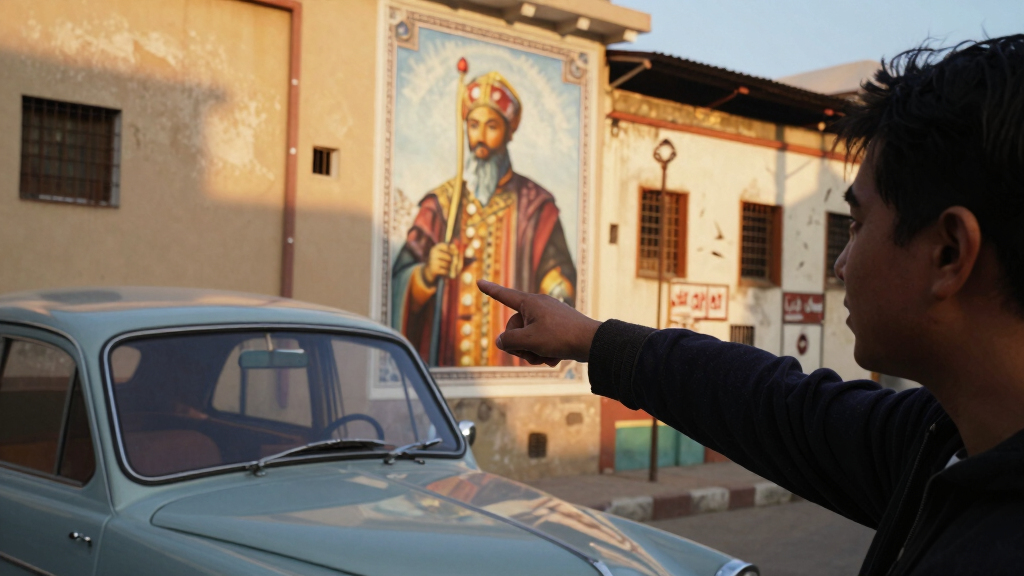
The Founding Fathers of the U.S. showed interest in Hyder Ali and Tipu Sultan, Indian rulers who fought British expansion. This fascination reflects their own resistance to imperial power and influences. The story reveals overlooked global connections during America’s independence era.
The Founding Fathers of the United States, including Thomas Jefferson and John Adams, expressed interest in Hyder Ali and Tipu Sultan, Indian rulers who fiercely resisted British expansion in the 18th century. This fascination underscores their awareness of global anti-imperialist struggles and may have influenced American ideas of resistance and independence.
Historical documents and writings indicate that Thomas Jefferson and other early American leaders closely followed Hyder Ali and Tipu Sultan’s military campaigns against the British East India Company. Hyder Ali, who became Sultan of Mysore in the 1760s, allied with France and fought off British advances for decades before dying in 1782. His son, Tipu Sultan, known as ‘the Tiger of Mysore,’ continued the fight until he was killed in battle in 1799. American newspapers, poems, and conversations of the time referenced these rulers, viewing them as symbols of resistance against colonial domination.
Despite their initial admiration, American interest waned as Britain and France settled their conflicts, and the U.S. itself gained independence. Over time, Mysore’s rulers faded from American consciousness, but their legacy as anti-imperialist figures persisted among some early American thinkers. Recent scholarship suggests that the fascination with Hyder and Tipu reflected broader themes of resistance to imperial power that resonated with the American Revolution’s ideals.
Why It Matters
This story matters because it highlights the interconnectedness of global resistance movements in the 18th century and shows that American revolutionary ideals were influenced by international struggles against empire. Recognizing this broader context can deepen understanding of the ideological roots of American independence and the historical perception of colonial resistance worldwide.

Kingdom of Hyder Ali and Tipu Sultan: Sultanat e Khudadad
As an affiliate, we earn on qualifying purchases.
As an affiliate, we earn on qualifying purchases.
Background
During the mid-1700s to early 1800s, Hyder Ali and Tipu Sultan led significant resistance against British expansion in India. Their campaigns drew attention from European powers and American observers, who saw them as symbols of anti-colonial resistance. American leaders, engaged in their own struggle for independence, followed these figures as part of a wider narrative of fighting against imperial domination. However, after the British consolidated control over India, interest in these Indian rulers diminished in the U.S., although their legacy as resistance figures persisted among some circles.
“Hyder Ali and Tipu Sultan represented a dangerous and formidable resistance to British power, inspiring observers across the globe, including early Americans.”
— Blake Smith, historian at Aeon
“The fascination with Mysore’s rulers reflects how early Americans viewed global struggles against colonialism, which paralleled their own fight for independence.”
— Recent scholars of American history
Indian resistance against British colonialism documentary
As an affiliate, we earn on qualifying purchases.
As an affiliate, we earn on qualifying purchases.
What Remains Unclear
It remains unclear how directly the ideas of Hyder Ali and Tipu Sultan influenced specific American leaders’ policies or writings. The extent of their impact on American revolutionary ideology is still being researched, and some claims about their influence are based on circumstantial evidence rather than direct citations.

Hand Drawn Vintage Poster of Map of Major Battles of The American Revolutionary War Canvas Poster Wall Art Decor Print Picture Paintings for Living Room Bedroom Decoration 12x18inch(30x45cm)
As an affiliate, we earn on qualifying purchases.
As an affiliate, we earn on qualifying purchases.
What’s Next
Further research into American archives and writings may clarify the degree of influence Hyder and Tipu had on U.S. revolutionary thought. Historians plan to explore more primary sources to establish clearer links and possibly uncover new references to these Indian rulers in early American documents.
anti-imperialist historical figures biography
As an affiliate, we earn on qualifying purchases.
As an affiliate, we earn on qualifying purchases.
Key Questions
Why did American founders follow Hyder Ali and Tipu Sultan?
They saw them as symbols of resistance against British imperialism, which resonated with their own struggle for independence.
Did Hyder Ali and Tipu Sultan influence American revolutionary ideas?
While direct influence is unconfirmed, their resistance against Britain was admired and reflected broader themes of anti-colonial struggle that paralleled American ideals.
Are there any direct references to these rulers in American founding documents?
There are no known direct citations, but their stories appeared in newspapers, poems, and conversations, indicating cultural awareness.
Why did interest in Hyder and Tipu decline in the U.S.?
As Britain and France settled their conflicts and the U.S. established its independence, the focus shifted away from global resistance figures toward domestic concerns.
Back to school Picks
back to school
As an affiliate, we earn on qualifying purchases.