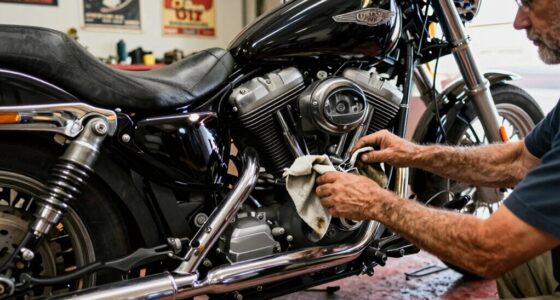
To keep your engine cool during summer, regularly clean and inspect cooling fins on air-cooled engines, ensuring they’re free of dust and debris. For liquid-cooled engines, check coolant levels and condition, topping up or replacing as needed. Tighten fasteners and covers to prevent airflow disruption, and clean radiators or fins for maximum heat dissipation. Monitoring oil and coolant quality also helps prevent overheating. More tips await if you continue exploring these maintenance strategies.
Key Takeaways
- Regularly clean and inspect cooling fins on air-cooled engines to prevent dust buildup and ensure airflow efficiency.
- Maintain proper coolant levels and quality in liquid-cooled engines to optimize heat transfer during hot summer months.
- Check and tighten all fasteners, including shrouds and covers, to avoid airflow obstruction or leaks in both engine types.
- Ensure external radiators and fins are free of debris, dirt, and bugs for maximum heat dissipation.
- Follow manufacturer guidelines for routine maintenance, including oil changes and system inspections, to prevent overheating in summer.
Maintaining Optimal Airflow for Air-Cooled Engines
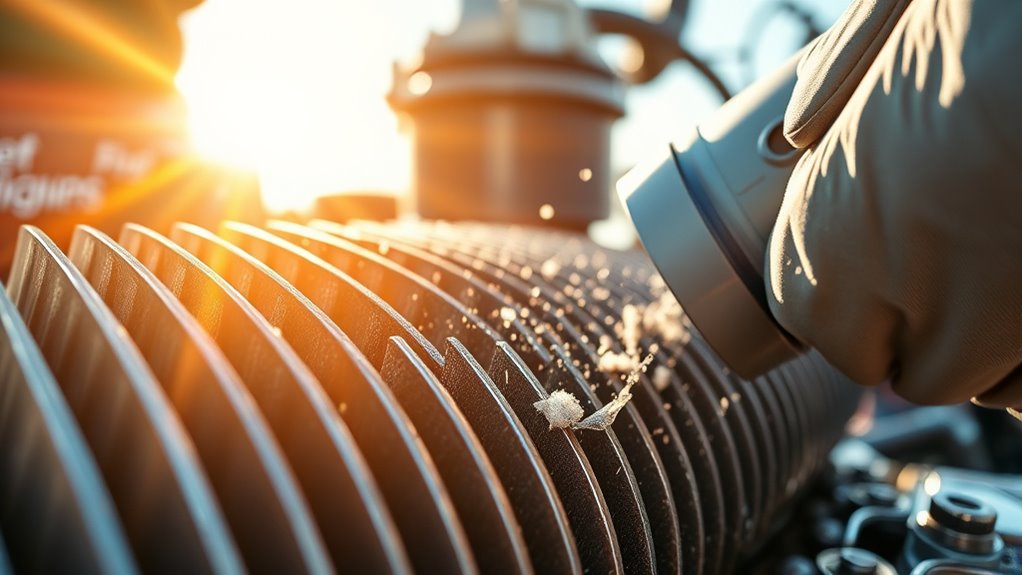
To keep your air-cooled engine running efficiently, maintaining ideal airflow is essential. You should regularly clean the cooling fins and shrouds to prevent dust, dirt, and debris from blocking airflow. Use compressed air or a soft brush to remove buildup without damaging the fins. Check for loose or damaged fins and tighten or replace them as needed to ensure proper contact and airflow. Keep the shrouds properly secured, as loose covers can restrict airflow or cause uneven cooling. Park your vehicle in shaded or well-ventilated areas to promote natural airflow, especially during hot weather. Avoid idling for extended periods or operating in slow traffic, which can reduce airflow and lead to overheating. Proper airflow management is crucial for preventing heat buildup and ensuring the longevity of your engine. Regularly inspecting and maintaining cooling system components can help identify potential issues before they cause engine damage. Paying attention to thermal regulation can further enhance your engine’s cooling efficiency and prevent overheating during peak summer months. Additionally, maintaining airflow pathways free of obstructions ensures consistent cooling performance. Consistent maintenance of airflow helps prevent heat buildup and prolongs engine life.
Inspecting and Cleaning Cooling Fins and Fins Shrouds

Regularly inspecting and cleaning your cooling fins and shrouds is crucial for peak airflow and engine cooling. Dirt, debris, and oil buildup can block airflow, causing your engine to overheat. Carefully remove any dirt or grime from the fins with a soft brush or compressed air. Confirm all shrouds are securely fastened and free of cracks or damage that could restrict airflow. Properly maintained fins maximize heat dissipation and prolong engine life. Additionally, understanding engine cooling mechanisms can help you better diagnose and prevent overheating issues. Being aware of heat transfer principles can further enhance your maintenance routine. Recognizing thermal conductivity in different materials used for fins can optimize heat dissipation and improve engine performance. Regular maintenance of cooling fins supports thermal management strategies, ensuring your engine remains within optimal operating temperatures. Additionally, exploring airflow optimization techniques can further improve cooling efficiency and prevent potential overheating problems. Properly maintained fins maximize heat dissipation and prolong engine life.
Monitoring Oil Quality and Levels to Aid Cooling
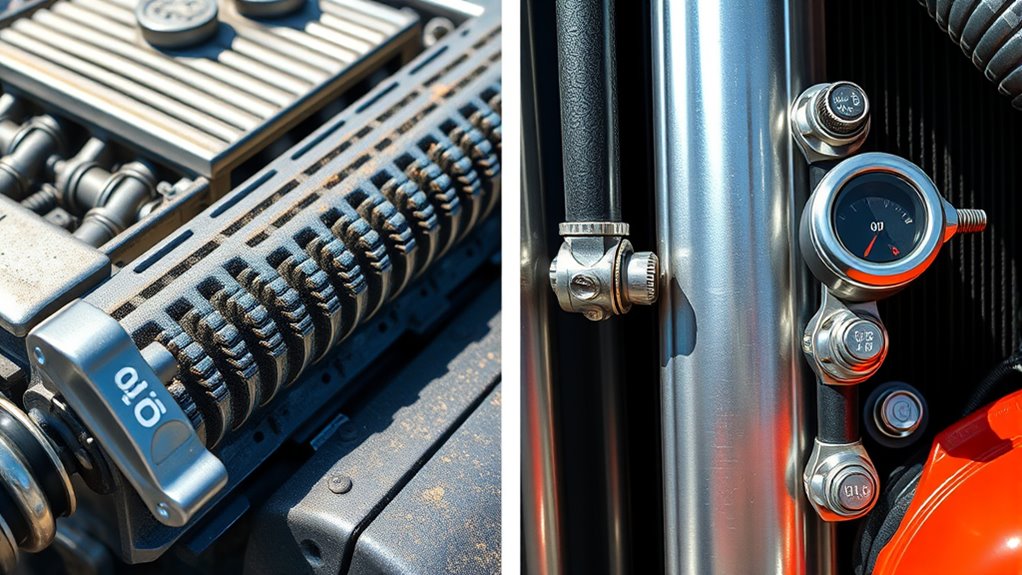
Maintaining the right oil quality and levels is essential for effective engine cooling, especially in air-cooled systems where oil plays a secondary role in heat dissipation. You should regularly check your oil levels and top up when needed, ensuring the oil remains at the proper mark. Use high-quality, heat-resistant oils suitable for summer conditions to prevent breakdown and maintain lubrication. Keep an eye on oil color and consistency; dark, thick oil indicates it’s time for a change. Regularly inspect for leaks or contamination, as degraded oil can hinder heat transfer and cause overheating. Properly maintained oil helps absorb and transfer heat away from engine parts, supporting cooling efficiency and extending engine life during hot weather.
Preventing Overheating During Idle and Slow Traffic Conditions

During idle or slow traffic conditions, engines are at increased risk of overheating, especially if cooling systems aren’t managed properly. For air-cooled engines, ensure the fins and shrouds are clean and free of debris to maximize airflow. Avoid prolonged idling, as lack of movement reduces cooling efficiency. Check for loose or damaged fins and tighten or repair them promptly. For liquid-cooled engines, verify coolant levels are sufficient and the radiator isn’t clogged or leaking. Keep radiator fins clean and free of debris to maintain airflow. Monitor the operation of the water pump and thermostat, replacing them if necessary. Both engine types benefit from avoiding extended idle time and ensuring cooling components are in good condition to prevent heat buildup during traffic jams or low-speed driving. Proper thermal behavior management is essential to prevent overheating and maintain engine performance under these conditions. Additionally, regularly inspecting cooling system components can help identify potential issues before they lead to overheating. Conducting routine preventive maintenance on your cooling system can significantly extend engine life and performance. Ensuring that engine temperature sensors are functioning correctly can also provide early warnings of overheating risks.
Ensuring Fasteners and Covers Are Secure and Tight
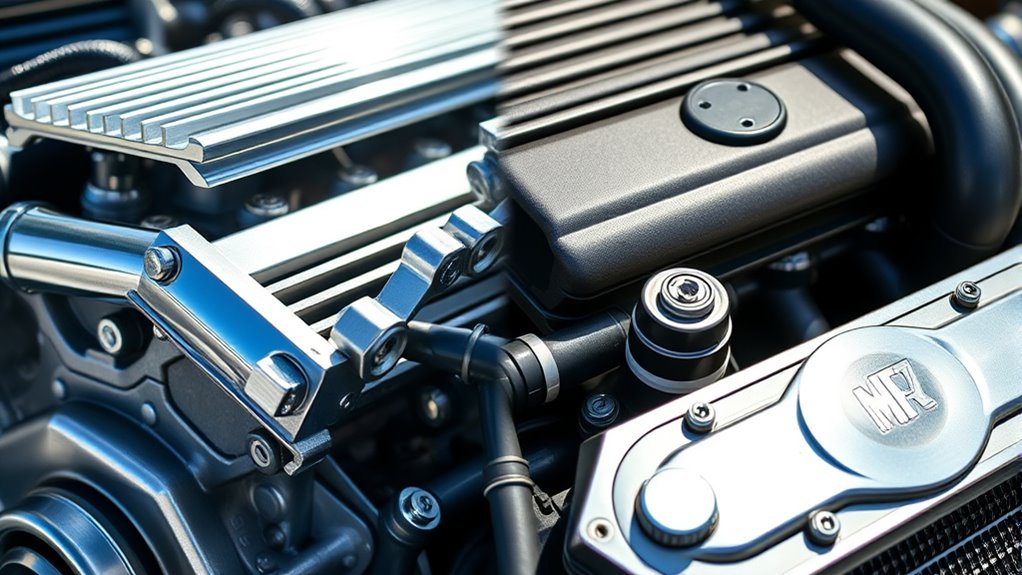
Ensuring that all fasteners and covers are secure and tight is essential for effective engine cooling, regardless of the system type. Loose fins, covers, or panels can disrupt airflow in air-cooled engines, reducing heat dissipation and increasing overheating risk. For liquid-cooled engines, loose or missing covers can lead to coolant leaks or contamination, impairing system performance. Regularly inspect bolts, nuts, and screws, tightening them to manufacturer specifications. Pay special attention to cooling fins and engine covers, as vibrations can loosen fasteners over time. Properly secured components optimize airflow and coolant flow, preventing overheating and maintaining engine efficiency during summer operations. Take the time to double-check fastening points after cleaning or repairs to keep your engine running cool and reliable. Understanding field‑of‑view and imaging‑scale examples can help in visualizing the importance of secure fittings and proper airflow management. Additionally, utilizing simple tools like torque wrenches can ensure fasteners are tightened to the correct specifications, preventing issues caused by over-tightening or under-tightening. Being attentive to fastener integrity can help in identifying potential loose fasteners before they cause engine damage. Regular inspections and proper fastening techniques are key to maintaining engine cooling performance, especially during the hot summer months.
Checking and Maintaining Coolant Levels and Condition for Liquid-Cooled Engines
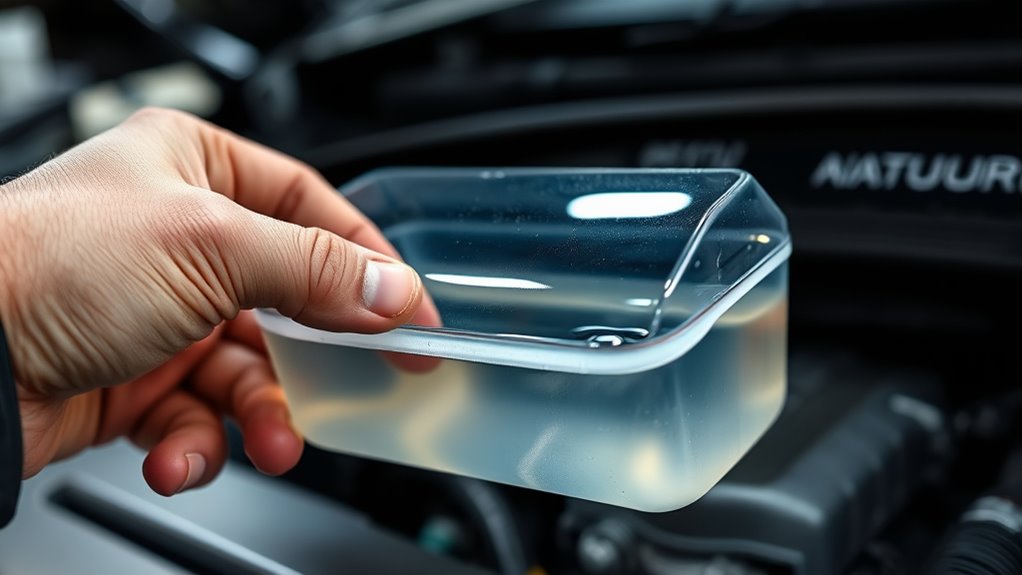
Regularly checking your coolant levels and condition is essential for keeping a liquid-cooled engine running smoothly and preventing overheating. Start by inspecting the coolant reservoir or radiator cap—ensure the fluid is between the minimum and maximum marks. If levels are low, top off with the correct mixture of antifreeze and water, following your manufacturer’s guidelines. Check the coolant’s appearance; it should be clean and free of rust or debris. If it looks cloudy or discolored, it’s time for a flush and replacement. Also, examine hoses and connections for leaks or cracks. Testing the coolant’s pH and freezing point can help identify degradation. Maintaining proper coolant levels and quality guarantees effective heat transfer, protecting your engine during hot weather. Incorporating coolant maintenance can help remind you to perform regular coolant checks and maintenance routines. Additionally, understanding coolant degradation is vital for preventing engine damage caused by ineffective cooling performance. Regular coolant testing and monitoring can also detect early signs of corrosion that may harm engine components.
Cleaning Radiators and External Fins for Maximum Heat Dissipation

Keeping the radiator and external fins clean is key to maintaining ideal heat dissipation in liquid-cooled engines. Dirt, debris, and bugs can block airflow, causing overheating. Use a soft brush or compressed air to remove particles from fins without bending them. For stubborn grime, rinse with water and a mild detergent. Regular cleaning prevents buildup that hampers cooling efficiency. Additionally, inspecting connected components regularly can help identify early signs of damage or wear. When inspecting, pay particular attention to Gold IRA Markets for reputable service providers that can assist with maintenance and upgrades. Here’s a visual to help you understand the fin structure:
| Fin Type | Purpose |
|---|---|
| External Fins | Increase surface area for heat transfer |
| Radiator Fins | Maximize airflow contact |
| Protective Fins | Prevent damage from debris |
| Cooling Fins | Facilitate heat dissipation |
| Fin Spacing | Balance airflow and airflow resistance |
Consistent maintenance keeps your engine running cool and prevents costly repairs.
Frequently Asked Questions
How Often Should Air-Cooled Engine Fins Be Inspected During Summer?
You should inspect the fins on your air-cooled engine at least once a month during summer. Regular checks guarantee they are clean, free of debris, and tightly secured. Hot weather can cause dirt buildup or loosened fins, reducing airflow and risking overheating. If you notice dirt or damage, clean or tighten the fins promptly. Consistent inspections help maintain ideal cooling and prevent costly repairs.
What Are Signs of Oil Degradation Affecting Cooling Efficiency?
Oil degradation is like a rusty gate that hampers heat escape, affecting your engine’s cooling efficiency. Look for thick, dark, or gritty oil, which signals it’s breaking down. Also, watch for burning smell or smoke, indicating oil isn’t lubricating properly. If your engine runs hotter than usual or if you notice decreased performance, it’s a sign your oil needs changing to keep cooling effective and prevent damage.
How Do Ambient Temperatures Influence Cooling System Maintenance Schedules?
Ambient temperatures directly impact your cooling system maintenance schedule. When it’s hot outside, you need to check coolant levels more frequently in liquid-cooled engines and ensure radiators aren’t clogged. For air-cooled engines, keep fins clean and free of debris to maximize airflow. High temperatures can cause overheating, so tighten loose parts and monitor temperature gauges more often. Regular maintenance helps prevent breakdowns and keeps your engine running smoothly in extreme heat.
Can Improper Airflow Cause Overheating Even if Fins Are Clean?
Imagine you’re in a vintage film, but your engine’s cooling relies solely on airflow. Improper airflow can definitely cause overheating, even if fins are clean. Blocked or restricted airflow, such as from debris or poor positioning, prevents heat from dissipating effectively. This leads to engine temperature spikes. So, always guarantee unobstructed airflow around fins and shrouds, especially in hot weather, to keep your engine running cool and prevent damage.
What Specific Coolant Mixture Ratios Optimize Heat Transfer in Liquid-Cooled Engines?
You should mix coolant and water at a ratio of about 50:50 for ideal heat transfer in your liquid-cooled engine. This balance ensures efficient cooling without risking corrosion or freezing. For extreme temperatures, adjust the ratio slightly—adding more coolant in cold climates or more water in hot conditions. Always follow your manufacturer’s recommendations, and use high-quality antifreeze to maintain proper thermal performance and protect your engine.
Conclusion
To keep your engine efficient and error-free, focus on fixing, flushing, and frequently inspecting. Whether it’s cleaning cooling fins or checking coolant levels, staying proactive prevents problems and promotes peak performance. Proper maintenance minimizes overheating, maximizes airflow, and prolongs engine life. So, stay vigilant, secure every screw, and regularly review your cooling system. With consistent care and conscientious checks, your engine will stay cool under pressure and power through summer’s heat with confidence.