Before your first ride of the season, inspect your tires for proper inflation, cracks, and embedded objects, and check tread wear for signs of damage. Test your brakes for smoothness and listen for squeaks or grinding. Make sure all lights work and windshield wipers are effective, topping off washer fluid. Check fluid levels like oil, coolant, and transmission, and inspect your battery’s condition. Staying thorough now means a safer, smoother start; keep going to learn more tips to prepare your vehicle.
Key Takeaways
- Check tire pressure and inspect for cracks, punctures, or embedded objects to ensure proper grip and safety.
- Test brake function, listen for noise, and verify brake fluid levels for reliable stopping power.
- Inspect all exterior lights and signals to ensure visibility and compliance.
- Verify fluid levels (oil, coolant, transmission) and test the battery for proper charge.
- Conduct a general walk-around to identify any damage or issues needing attention before riding.

Are you ready to hit the road after months of winter storage? Before you do, it’s essential to give your vehicle a thorough inspection to ensure your safety and comfort. One of the first things to check is your tire pressure. Cold weather can cause tires to lose air, so you might find your tires underinflated without realizing it. Use a reliable tire pressure gauge to measure each tire’s pressure, referencing your vehicle’s recommended PSI, usually found on the driver’s door frame or in the owner’s manual. Properly inflated tires improve handling, fuel efficiency, and tire longevity. Don’t forget to inspect for any signs of damage or uneven wear, which could indicate alignment issues or other problems that need addressing before hitting the road.
Next, you should perform a brake check. Brakes are critical for safe driving, especially after a long period of inactivity. Test your brakes gently as you start driving, listening for squeaks or grinding sounds that could signal worn brake pads or other issues. If your vehicle has a brake warning light illuminated on the dashboard, don’t ignore it—get it checked immediately. It’s wise to inspect the brake fluid level as well. Low brake fluid can impair braking performance, so top it off if needed, using the correct type specified in your owner’s manual. Also, pay attention to pedal feel—if the brake pedal feels spongy or sinks too low, it might indicate air in the brake lines or a leak, requiring professional attention.
While you’re at it, take a quick walk around your vehicle to look for any obvious issues. Check the condition of your tires for cracks, punctures, or embedded objects. Examine your windshield and windows for chips or cracks that could worsen with temperature changes. Ensure all lights—headlights, taillights, turn signals—are functioning properly. It’s a good idea to test your windshield wipers and top off your windshield washer fluid, especially if it’s been sitting unused for months. Regular vehicle maintenance can help identify potential problems early and keep your vehicle in top condition. Remember, tire inspection is an ongoing process that can prevent unexpected flats or blowouts during your trip. Additionally, tire condition can change over time due to factors like aging or exposure to the elements, so regular checks are essential. Checking your tire pressure regularly can also help improve overall vehicle safety and efficiency.
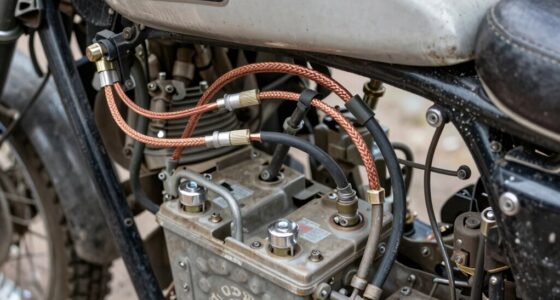
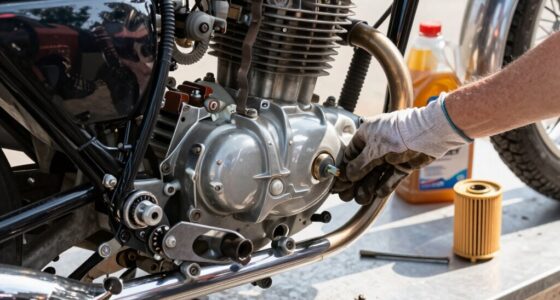
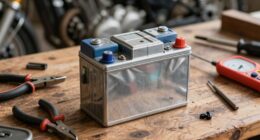
Finally, don’t forget the basics: check your fluid levels, including engine oil, coolant, and transmission fluid. Make sure your battery is clean and secure, and consider testing its charge if it’s been sitting idle for a while. Taking these steps before your first drive of the season helps you avoid surprises and ensures you start your journey safely and smoothly. Remember, a little preparation goes a long way in making your first ride of the season enjoyable and accident-free. Additionally, inspecting your vehicle’s tires regularly can help prevent unexpected flats or blowouts during your trip.

ETENWOLF T300 Digital Tire Pressure Gauge 3-200 PSI, Industrial Tire Gauge Calibrated to ANSI B40.7 Grade 2A(Plus-Minus 0.5%), Replaceable AAA Batteries (Vivid Orange)
PROCESS LEVEL ACCURACY: Each ETENWOLF’s digital tire pressure gauge is calibrated manually to ANSI B40.7 Grade 2A(plus-minus 1…
As an affiliate, we earn on qualifying purchases.
As an affiliate, we earn on qualifying purchases.
Frequently Asked Questions
How Often Should I Perform a Full Bike Maintenance Check?
You should perform a full bike maintenance check at least once a month, especially if you ride frequently. Start with a thorough bike cleaning to remove dirt and grime, then focus on chain lubrication to keep it running smoothly. Regular inspections of tire pressure, brakes, and gears are also essential. Doing this guarantees your bike stays in top shape, reduces wear and tear, and keeps you safe on every ride.
What Safety Gear Is Essential for First Ride?
You should always prioritize your safety gear for your first ride. Always wear a helmet that meets safety standards to protect your head, and don protective clothing like gloves, jacket, and pants to guard against abrasions. Coincidentally, these gear pieces not only shield you from potential falls but also boost your confidence. Ensuring your safety gear fits well and is in good condition helps make every ride safer and more enjoyable from the start.
How Do I Detect Hidden Damages After Winter Storage?
To detect hidden damages after winter storage, start by thoroughly inspecting your bike for signs of corrosion, cracks, or rust, especially around the frame and components. Check tires for cracks or flat spots, and examine brake lines and cables for deterioration. Turn the wheels and listen for unusual noises. Because winter storage can hide issues, take your bike for a short test ride to feel for any irregularities or handling problems before hitting the road.
When Should I Replace My Bike Tires?
Think of your bike tires like shoes—if they’re worn out or cracked, they won’t perform well. You should replace your bike tires when tread is bald, cracks appear, or they lose significant pressure despite regular inflations. Before your first ride, do a thorough bike cleaning and check tire pressure. If tires show signs of aging or damage, it’s time for new ones to guarantee safety and peak performance.
Is It Necessary to Change My Brake Pads Annually?
It’s generally a good idea to change your brake pads annually, especially if you notice brake pad wear or if they’ve been stored through seasonal changes. During seasonal storage, brake pads can degrade or develop uneven wear, so inspecting them before your first ride is essential. If you see thin or uneven brake pads, replace them to guarantee safe braking performance. Regular maintenance keeps your bike safe and reliable year-round.

KAIWEETS Brake Fluid Tester Pen with Corrosion Resistance Probe, High-Precision Brake Fluid Moisture Tester with Data Hold Function, Buzzer Alarm, 3 Colors Backlight, Calibrated for DOT3, DOT4, DOT5.1
Durable and Corrosion-Resistant : Featuring a corrosion-resistant probe, this brake fluid tester is designed for long-lasting performance. The…
As an affiliate, we earn on qualifying purchases.
As an affiliate, we earn on qualifying purchases.
Conclusion
Before you hit the road, remember that a well-prepared bike is your trusted steed, ready to carry you safely and smoothly through new adventures. Taking a little time now guarantees your ride won’t be a bumpy ride of surprises. Think of it as tending to a garden—you nurture it, and it rewards you with a season full of joy and freedom. So, gear up with confidence, and let your first ride of the season be a breeze.

SEALIGHT 194 LED Bulb 6000K White, License Plate Light, Dome Light, T10 168 2825 W5W 3030 Bright Chips Wedge for Replacement Light Bulb, Map Trunk Door Courtesy Dash LED Light Bulb,Pack of 10
【800% Brighter Than Halogen Bulb】 Sealight is equipped with a 3030 high-performance light bulb chip. 6000K super bright…
As an affiliate, we earn on qualifying purchases.
As an affiliate, we earn on qualifying purchases.

ABRO Windshield Washer Fluid Ready to Use Formula – 1 Gallon, Pre-Mixed, Streak-Free Cleanliness, 2-In-1 Removes Bugs & Tar
EFFORTLESS CLEANING: Enjoy hassle-free maintenance with ABRO's pre-mixed windshield wiper fluid formula, saving you time and effort in…
As an affiliate, we earn on qualifying purchases.
As an affiliate, we earn on qualifying purchases.