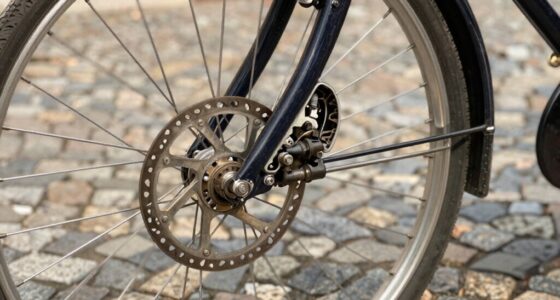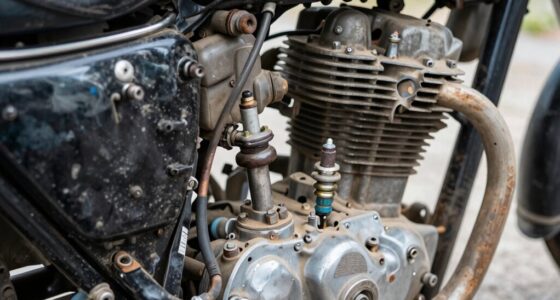
To keep your Harley’s primary drive running smoothly, regularly check and maintain oil levels, inspect for leaks, and replace gaskets or seals as needed. Adjust the clutch correctly for smooth operation, and keep the chain tension within specifications to prevent premature wear. Staying proactive helps avoid surprises and extends your drive’s lifespan. If you want to learn more about proper maintenance steps and tips, you’ll find helpful details as you explore further.
Key Takeaways
- Regularly check and maintain proper oil level to prevent leaks and ensure effective lubrication of the primary chain and clutch.
- Inspect the primary cover for oil leaks, worn gaskets, and damaged seals, replacing or tightening components as needed.
- Adjust the clutch for proper free play to ensure smooth engagement and prevent slipping or shifting issues.
- Maintain correct primary chain tension to avoid premature wear, chain slap, or drive problems.
- Conduct routine inspections for leaks, tension, and clutch adjustments, adapting maintenance based on riding conditions.
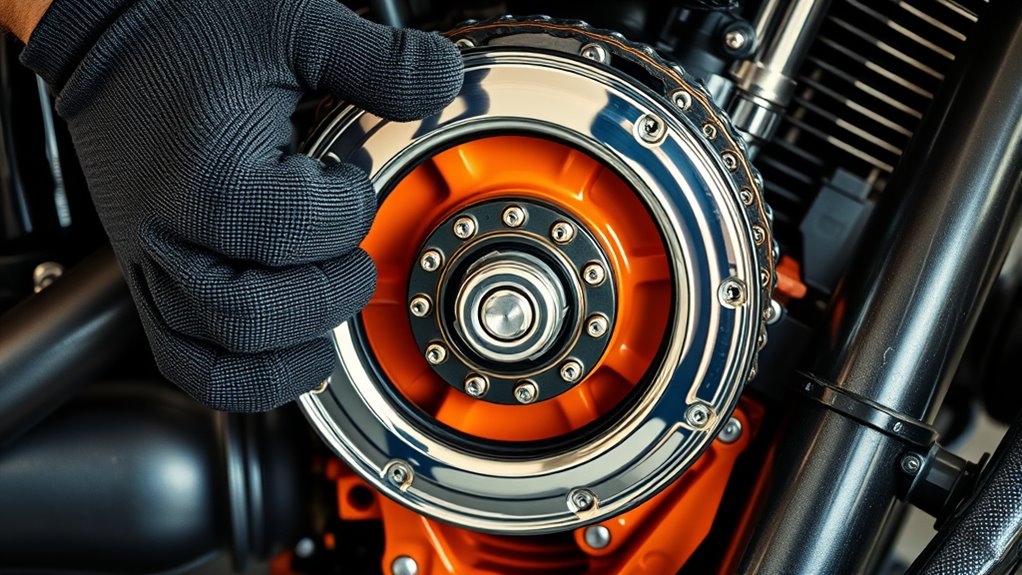
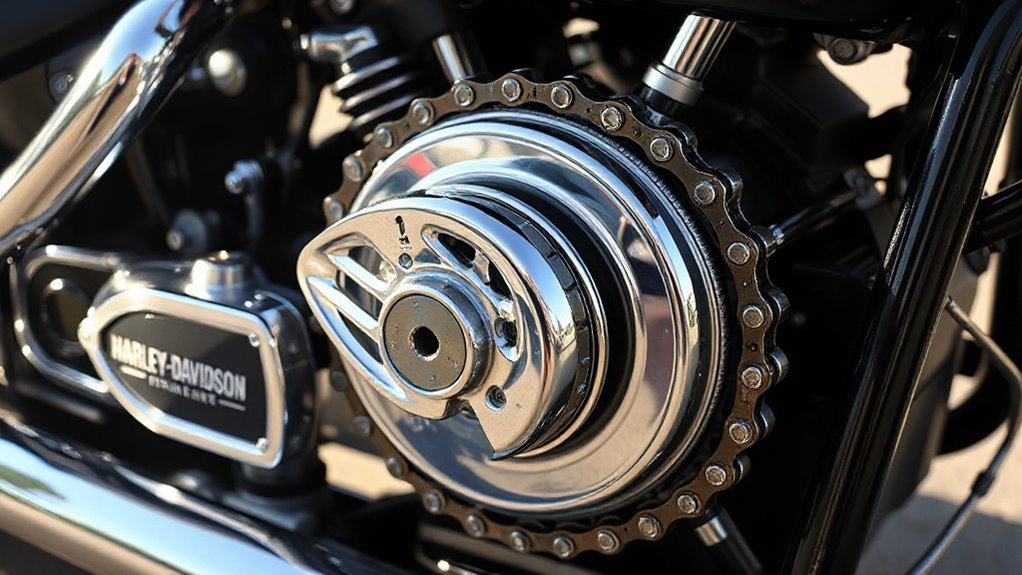
Maintaining your Harley-Davidson primary drive is essential for ensuring smooth performance and longevity. The chaincase, or primary cover, houses key components like the clutch, chain, and sprockets, all of which need regular attention. One of the most common issues riders face with their primary drive is oil leaks. These leaks can stem from worn gaskets, loose bolts, or damaged seals. If you notice oil seeping from the primary cover, it’s crucial to address it promptly. Ignoring oil leaks can lead to low oil levels, which compromise the lubrication of your clutch and chain, increasing wear and risking more severe engine damage down the line. To fix an oil leak, start by inspecting the primary cover gasket and replacing it if it’s cracked or brittle. Tighten any loose bolts, but be careful not to overtighten, as this can warp the cover or strip threads. Regularly checking the oil level and replacing the primary oil as recommended also helps prevent leaks and keeps everything running smoothly.
Another vital aspect of primary drive maintenance is proper clutch adjustment. Your clutch acts as a crucial interface between the engine and transmission, and if it’s not adjusted correctly, you’ll notice issues like slipping, hard shifting, or a clutch that feels too tight or too loose. To ensure optimal clutch performance, you should periodically check its free play. This involves loosening the clutch locknut and adjusting the clutch cable or pushrod so that there’s a small amount of free movement when you pull the clutch lever. Proper adjustment allows the clutch to disengage fully when you pull the lever and engage smoothly when you release it. If you’re experiencing clutch slipping or difficulty shifting, it’s a good sign you need to readjust. Keep in mind that over time, clutch components wear down, so adjusting isn’t a one-time fix; you may need to replace clutch plates or springs eventually. Regular inspection and adjustment can extend the life of your clutch and keep your ride operating without hiccups. Additionally, understanding the environmental factors that influence your primary drive can help you anticipate maintenance needs based on riding conditions and climate.
In addition to checking for oil leaks and adjusting your clutch, it’s wise to routinely inspect the primary chain tension. Too tight or too loose can cause premature wear or chain slap. Use the manufacturer’s specifications as your guide. Maintaining proper tension, addressing oil leaks quickly, and ensuring your clutch is well-adjusted will help you keep your Harley-Davidson running smoothly. Proper primary drive care isn’t complicated, but it does require consistent attention. By staying proactive, you’ll enjoy reliable performance and extend the lifespan of your bike’s vital components.

AKDIYLQ Oil Change Kit Compatible with Harley-Davidson, Complete Motorcycle Oil Change Tool Set with Filter Cap Wrench, Fill Tools & 30Pcs O-Rings
Premium Fluorine Rubber O-Rings:Made of high-quality orange fluoroelastomer (FKM) for superior heat, fuel, and chemical resistance. Molded through…
As an affiliate, we earn on qualifying purchases.
As an affiliate, we earn on qualifying purchases.
Frequently Asked Questions
How Often Should I Replace My Harley-Davidson Primary Chain?
You should replace your Harley-Davidson primary chain when you notice signs of wear, such as loose chain tension or uneven movement. Regularly check the chain tension and inspect the drive sprocket for damage or excessive wear. Typically, it’s a good idea to replace the chain every 20,000 to 30,000 miles, but always follow your bike’s maintenance schedule and pay attention to any unusual noises or slack that develop over time.
What Signs Indicate Primary Drive Issues Needing Maintenance?
Like a ship’s captain noticing stormy seas, you’ll spot primary drive issues through chain tension issues and unusual noise. If your bike’s chain feels loose or tight, or if you hear clunking, rattling, or whining sounds, it’s time to check the primary drive. These signs indicate that your primary drive needs maintenance to keep everything running smoothly and avoid more serious damage down the road.
Can I Upgrade to a Higher-Performance Primary Chain?
Yes, you can upgrade to a higher-performance primary chain for better performance. A chain upgrade can improve durability, reduce stretch, and enhance power transfer. Make certain to choose a chain compatible with your bike’s model and riding style. Installing a performance chain may require adjusting or replacing other components, so consult your service manual or a professional mechanic to ensure proper fit and peak performance.
What Type of Lubricant Is Best for the Primary Drive?
Think of your primary drive as the heart of your bike, needing the right medicine to beat strong. You should use a high-quality, motorcycle-specific primary chain lubrication oil for maximum chaincase maintenance. This guarantees smooth operation and prevents corrosion. Avoid using automotive oils or greases, as they can attract dirt and cause wear. Regularly check and maintain the lubrication to keep your primary chain running like a well-oiled machine.
Are There Specific Tools Required for Primary Drive Maintenance?
You’ll need specialized tools like a clutch hub holding tool and a torque wrench for primary drive maintenance. These tools help you safely remove and reinstall components while guaranteeing everything’s secured to Harley-Davidson’s torque specifications. It’s essential to follow the proper torque settings to prevent damage. Having the right tools makes the job easier and ensures your primary drive stays in top condition, so invest in quality equipment.

Amavoler 39976-01 Primary Chain Adjusting Shoe Aftermarket Parts Fit For 2001-2006 Big Twin Models.(Except 06 Dyna).
It is aftermarket replacement parts fit for 2001-2006 Big Twin Models (Except 2006 Dyna).
As an affiliate, we earn on qualifying purchases.
As an affiliate, we earn on qualifying purchases.
Conclusion
Maintaining your Harley’s primary drive keeps your ride smooth and reliable. Regular checks and proper lubrication prevent costly damage and guarantee safety on the road. Did you know that a properly maintained chaincase can last up to 50,000 miles? That’s enough miles to see the country from coast to coast—twice! Stay on top of maintenance, and your Harley will keep roaring for miles to come, delivering that iconic thrill every time you hit the throttle.
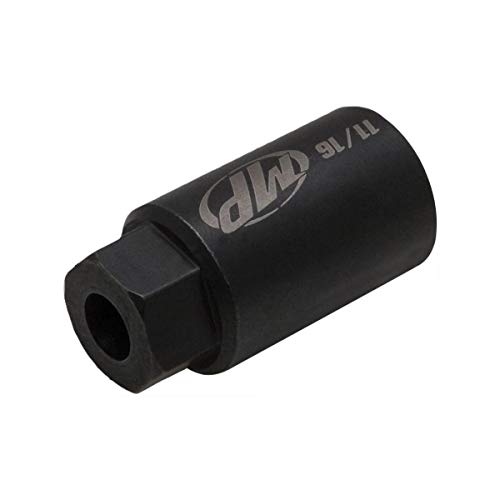
Motion Pro Clutch Adjuster Nut Tool
Motion Pro Clutch Adjuster Nut Tool
As an affiliate, we earn on qualifying purchases.
As an affiliate, we earn on qualifying purchases.

Saihisday 34901-94 Primary Cover Gasket Kit Replacement for Harley Davidson Street Glide All Models 2006 Road King Glide Electra Glide FLH/T Twin Cam Bagger Touring 1999-2006, Replaces 34906-85FM
Replace Part Number: 11147, 12052A, 34901-94, 34901-94A, 34901-94B, 34901-94C, 34906-85A, 34906-85B, 34906-85FM, 12066 25416-99c
As an affiliate, we earn on qualifying purchases.
As an affiliate, we earn on qualifying purchases.