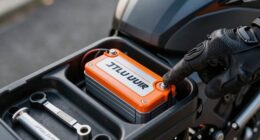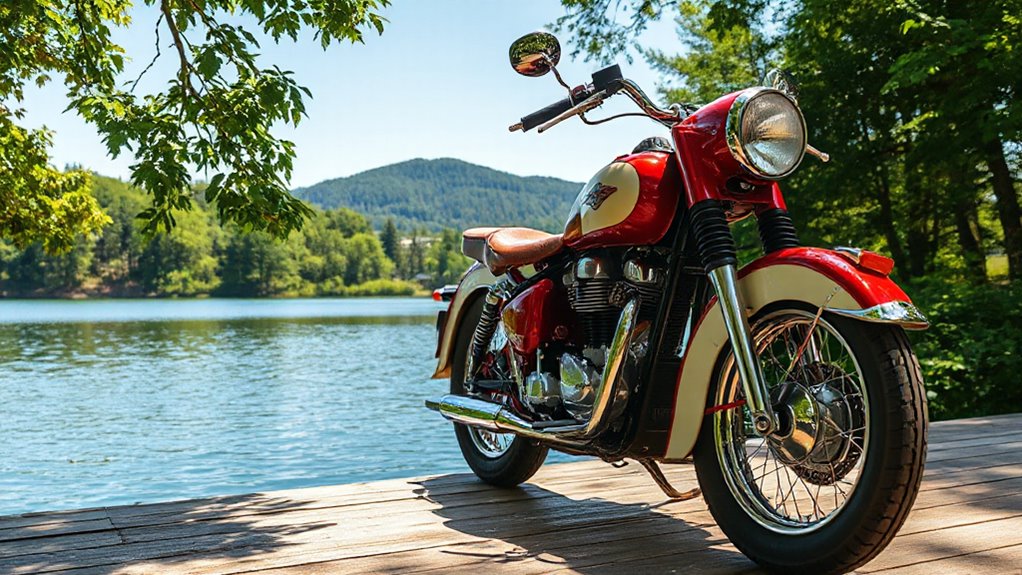

To keep your classic motorcycle in top shape, you should run it at least once every two to four weeks, even if you’re not riding it often. Regular use helps prevent engine issues, keeps the fluids circulated, and maintains your riding skills. If you store it properly between rides—using covers, stabilizers, and occasional starts—you’ll protect your bike’s value and performance. For more tips on keeping your vintage bike ready to go, continue exploring this essential advice.
Key Takeaways
- Regular riding helps detect issues early and maintains your motorcycle’s performance and safety.
- Infrequent use can lead to deteriorating skills and potential mechanical problems over time.
- If not ridden often, start and run the bike for a few minutes every couple of weeks to keep it lubricated.
- Proper storage, including covers and tire elevation, minimizes deterioration when not used regularly.
- Routine maintenance, like oil changes and battery care, is essential regardless of riding frequency.
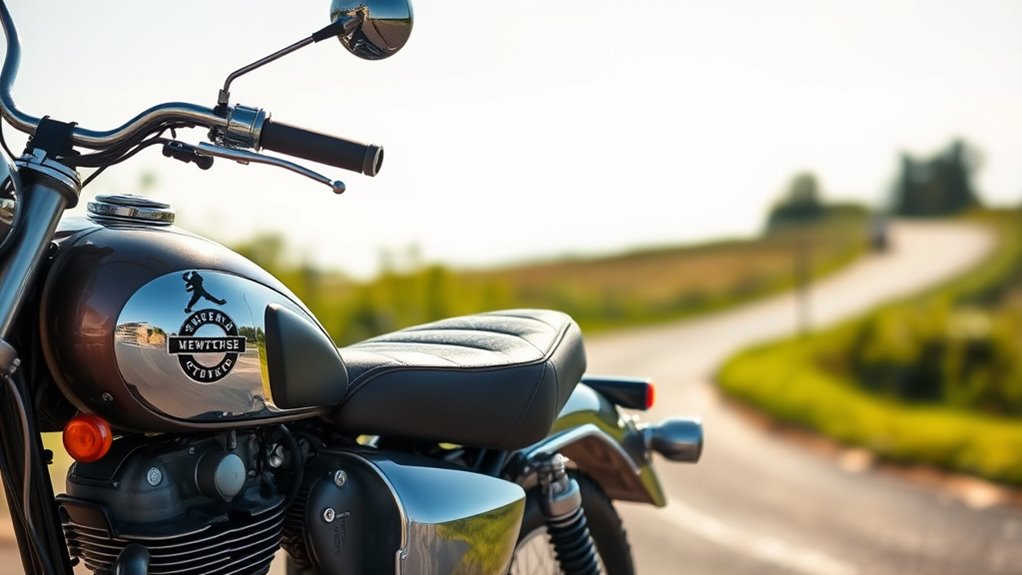
If you don’t keep up with your skills, you risk losing them altogether. That’s especially true when it comes to riding your classic motorcycle. These vintage machines require regular attention and consistent use to stay in prime condition. The more frequently you ride, the better you can identify potential issues early. But if you’re unable to ride often, proper maintenance tips and effective storage solutions become even more critical to preserve your bike’s performance and value.
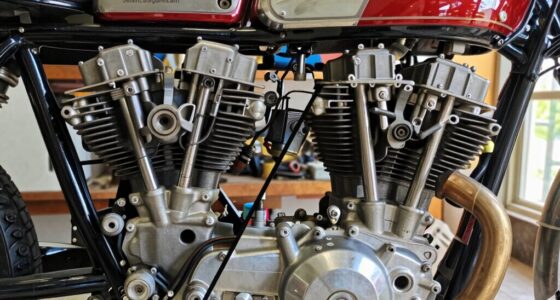
First, think about maintenance tips that keep your motorcycle in top shape. Regular oil changes are essential; fresh oil lubricates engine components and prevents corrosion. Check and replace spark plugs as needed, since old or dirty plugs can cause misfires or poor fuel efficiency. Tires should be inspected for wear and proper inflation—under-inflated tires can lead to uneven wear and handling problems. Brakes deserve special attention, so routinely examine brake pads and fluid levels. Cleaning and lubricating chain drives or drive belts help prevent rust and keep power transfer smooth. These routine checks don’t take long but make a big difference in maintaining your bike’s reliability.
Regular oil changes, spark plug checks, tire inspections, brake maintenance, and chain lubrication keep your motorcycle reliable.
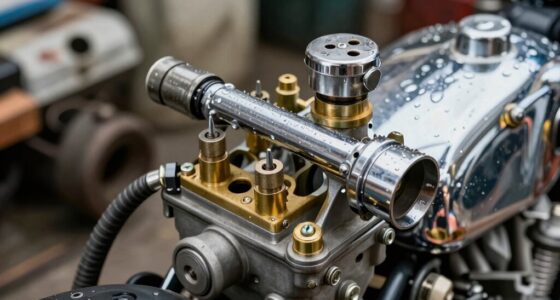
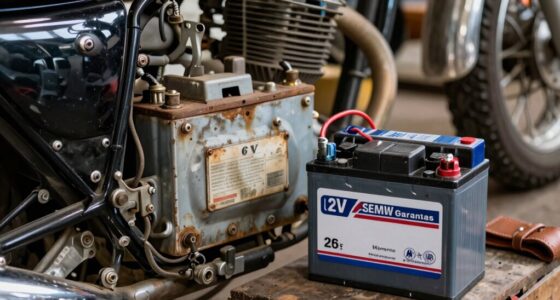
When you’re not riding often, storage solutions are your best friend. Proper storage keeps your classic motorcycle protected from the elements and minimizes deterioration. You want to store it in a dry, covered space—like a garage or shed—away from direct sunlight and moisture that can cause rust and fading. Use a high-quality motorcycle cover to shield it from dust and accidental scratches. Elevate the tires slightly off the ground if possible, to prevent flat spots from developing during long periods of inactivity. Removing the battery and storing it in a cool, dry place can prolong its lifespan. Additionally, consider adding fuel stabilizer if your bike will sit unused for an extended period. This prevents the fuel from breaking down and clogging your carburetor. Regularly starting the motorcycle for a few minutes can also help circulate oils and keep the engine components lubricated, even if you’re not planning a long ride.
Ultimately, riding your vintage bike as often as possible is ideal, but when that’s not feasible, diligent maintenance and smart storage solutions keep it ready for the road. Staying proactive with these practices ensures your classic motorcycle remains a reliable, cherished machine for years to come. Remember, the key is consistency—whether you’re riding regularly or not, keeping your bike maintained and properly stored will help you preserve your riding heritage and enjoy your motorcycle whenever the mood strikes.

Black Widow Aluminum Dirt Bike Hitch Carrier with Ramp for Truck & SUV, 400-Pound Capacity - Non-Folding Motorcycle, eBike & Fat Tire Bike Hauler, Fits 2-Inch Class III/IV Receiver
Versatile Bike Hauling: Transport motorcycles, e-bikes, and fat tire bikes with ease using your Class III or IV...
As an affiliate, we earn on qualifying purchases.
Frequently Asked Questions
How Can I Tell if My Motorcycle Needs to Be Run More Often?
You’ll want to run your motorcycle more often if you notice battery drain or flat spots on the tires. If the battery loses charge quickly or your tires develop uneven patches after sitting, it’s a sign you need to ride regularly. Consistent riding keeps the battery charged and prevents tire flat spots, ensuring your bike stays in good shape and ready to go whenever you are.
What Are the Signs of Corrosion From Infrequent Riding?
Corrosion sneaks in like a thief in the night, revealing itself through rust formation on metal parts and sluggish battery performance. If you notice paint bubbling, flaky rust, or your battery struggles to hold a charge, these are telltale signs of infrequent riding. Neglecting these signs can lead to costly repairs, so keep your motorcycle active to prevent corrosion and keep it running smoothly.
Does Storage Location Affect How Often I Should Ride?
Yes, your storage location impacts how often you should ride. If you keep your motorcycle in a garage, regular rides help with garage maintenance by preventing moisture buildup and corrosion. Weather considerations are key; if you store your bike outdoors or in humid conditions, you’ll want to ride more often to avoid rust and keep the engine in good shape. Adjust your riding schedule based on these environmental factors for ideal preservation.
Are There Specific Maintenance Tips for Long-Term Motorcycle Storage?
To keep your motorcycle in top shape during long-term storage, focus on battery maintenance by disconnecting or using a tender to prevent drain. Check tire pressure regularly to avoid flat spots, and add a fuel stabilizer to prevent clogs. Keep the motorcycle covered and stored in a dry, cool place. These steps guarantee your bike remains ready to ride when you take it out of storage.
Can Riding Less Frequently Damage the Engine or Other Components?
Is riding less frequently harmful? Not necessarily, but long gaps can impact your bike’s health. When you ride infrequently, your battery may lose its charge, and fuel can become unstable, leading to clogged carbs or varnish buildup. To prevent damage, start your motorcycle regularly, keep the battery charged, and add fuel stabilizer. This way, you maintain engine health and prevent issues caused by infrequent riding.

VEVOR Motorcycle Carrier, 600 LBS Steel Motorcycle Carrier Hitch Mount with 47" Longer Ramp, Scooter Dirt Bike Trailer Hauler with Ratchet Straps and Stabilizer, for Car, Truck with 2" Hitch Receiver
600LBS Weight Capacity: Our steel motorcycle hitch carrier has an exceptional weight capacity of 600 pounds, ensuring stable...
As an affiliate, we earn on qualifying purchases.
Conclusion
Remember, if you don’t use it, you lose it. Regularly riding your classic motorcycle keeps it in top shape and your skills sharp. Don’t let time and neglect take away your passion. Keep that engine running, and you’ll preserve not just your bike, but the memories and freedom it offers. So, make riding a habit—because a classic isn’t just a machine; it’s a part of your story. Ride it or lose it.

MaxxHaul Adjustable Motorcycle Wheel Chock Stand with Auto-Lock Cradle, Fits 15"–21" Tires – Heavy-Duty Steel Bike Stand for Trailer, Garage & Truck Bed, Includes Mounting Hardware – 70075
Universal Wheel Compatibility: Designed to accommodate most motorcycle wheels, this wheel chock ensures a secure fit for a...
As an affiliate, we earn on qualifying purchases.

JY PERFORMANCE Motorcycle Wheel Chock, Universal Motorcycle Front Wheel Stand for Trailer, Cruiser, Sports & Dirt Bikes, 1800 lb Capacity Adjustable Wheel Stand for 15"-21" Wheels
1800 LBS Capacity: Maximum width of motorcycle wheels: 3 inches to 5 inches. Adjustable wheel locks are suitable...
As an affiliate, we earn on qualifying purchases.